
Interior Design for Restaurants and Cafes: Creating Memorable Dining Spaces That Attract Customers
Restaurant Cafe Interior Design and cafes plays a powerful role in shaping the customer experience. People no longer visit restaurants only for food; they also seek an atmosphere that feels comfortable, engaging, and visually appealing. The design of a space influences how long customers stay, how they perceive the brand, and whether they return again. Because of this, business owners now focus heavily on creating unique dining environments that reflect their concept and attract attention.
A well-designed restaurant or cafe does more than look beautiful. It improves workflow for staff, creates comfort for guests, and strengthens brand identity. The layout, lighting, furniture, color scheme, and decor must work together to create a cohesive atmosphere. When these elements align with the restaurant’s concept, the space becomes memorable and inviting.
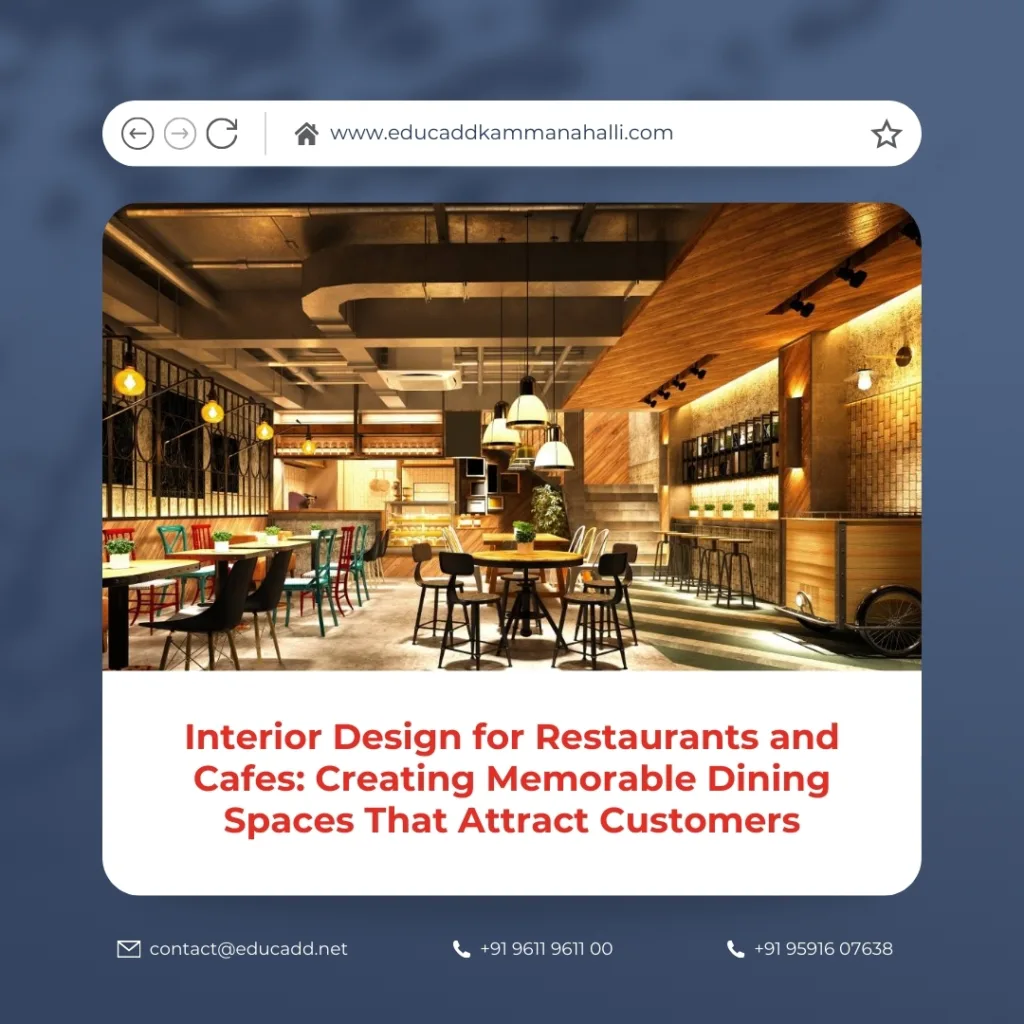
Restaurant Cafe Interior Design
Modern diners also value spaces that are visually attractive and social-media friendly. Many customers love sharing photos of stylish interiors online, which can generate free promotion for a restaurant. Therefore, interior design for restaurants and cafes has become an essential part of marketing strategy as well as customer experience.
In this blog, we will explore the most important aspects of restaurant and cafe interior design. From layout planning to lighting, color psychology, furniture, branding, and sustainability, each section will explain how thoughtful design can transform an ordinary dining space into a vibrant destination.
1. Understanding the Importance of Restaurant and Cafe Interior Design
Restaurant Cafe Interior Design and cafes significantly affects customer satisfaction and business success. A welcoming environment encourages guests to relax and enjoy their dining experience. When customers feel comfortable, they tend to stay longer and order more items from the menu.
Design also shapes the first impression of a restaurant. When customers walk in, they quickly notice the ambience, lighting, seating arrangement, and overall decor. If the environment feels appealing and organized, they immediately feel confident about their dining choice.
Moreover, a thoughtfully designed space reflects the brand’s personality. For example, a modern cafe might use minimal furniture, neutral colors, and natural light. On the other hand, a family restaurant may use warm tones, cozy seating, and decorative elements that create a welcoming feel.
In addition, good interior design improves operational efficiency. When kitchens, service areas, and seating zones are planned properly, staff can move easily and serve customers faster. As a result, the overall dining experience becomes smoother and more enjoyable.
2. Creating a Functional and Efficient Layout
A functional layout forms the foundation of interior design for restaurants and cafes. The layout determines how customers move through the space and how efficiently staff can perform their tasks. Therefore, careful planning is necessary before any design elements are added.
Designers usually divide restaurant spaces into several zones such as dining areas, waiting areas, kitchen spaces, and service counters. Each zone must connect logically to avoid congestion and confusion. Clear pathways help customers and staff move comfortably throughout the space.
Proper spacing between tables is also important. Customers prefer privacy and comfort while dining. If tables are placed too closely, the environment may feel crowded and uncomfortable. Balanced spacing ensures that guests feel relaxed without wasting valuable floor area.
Additionally, the layout must consider accessibility. Wide walkways, clear signage, and comfortable seating arrangements make the space welcoming for all customers, including families, elderly visitors, and people with mobility needs.
3. Choosing the Right Theme and Concept
Every successful restaurant or cafe begins with a strong concept. The theme defines the personality of the space and guides every design decision. When the concept remains clear, the entire environment feels cohesive and engaging.
Restaurant Cafe Interior Design and cafes often reflects the cuisine or brand story. For example, a rustic bakery may feature wooden textures, vintage lighting, and handmade decor. A modern coffee shop may highlight sleek furniture, industrial finishes, and minimalistic designs.
A well-defined concept also helps attract a specific audience. Young professionals may prefer modern cafes with stylish seating and workspace areas. Families may choose restaurants with warm lighting and spacious seating arrangements.
Consistency is essential when applying a theme. The colors, materials, furniture, and decorative elements should all support the same design vision. When everything aligns with the concept, the restaurant develops a strong visual identity that customers easily recognize.
4. The Role of Lighting in Dining Atmosphere
Lighting plays a critical role in interior design for restaurants and cafes. It affects mood, comfort, and the visual appeal of food and decor. A well-lit environment can transform an ordinary dining space into a warm and inviting destination.
Natural light often creates the most pleasant atmosphere. Large windows and open spaces allow sunlight to enter the restaurant, making the environment feel fresh and energetic during the day.
Artificial lighting must also be planned carefully. Designers typically combine different types of lighting to create depth and character within the space.
Two commonly used lighting styles include:
-
Ambient lighting: Provides general illumination across the dining area.
-
Accent lighting: Highlights specific features such as artwork, tables, or decorative elements.
Warm lighting often works best in dining environments because it creates a cozy and relaxing atmosphere. However, brighter lighting may be used in cafes where customers read, work, or socialize for long periods.
5. Selecting Comfortable and Stylish Furniture
Furniture greatly influences the comfort and functionality of a restaurant. Customers spend significant time sitting at tables, so chairs and seating arrangements must support comfort without sacrificing style.
Restaurant Cafe Interior Design and cafes often includes a mix of seating types. Some restaurants combine booths, communal tables, and individual seating to accommodate different customer preferences.
Durability also matters when selecting furniture. Restaurant furniture experiences heavy daily use, so materials must withstand constant movement and cleaning. High-quality wood, metal frames, and durable upholstery often work well in busy environments.
Designers also consider flexibility when choosing furniture. Lightweight tables and movable chairs allow restaurants to adjust seating arrangements for large groups or special events. This adaptability helps maximize the available space while maintaining comfort.
6. Using Colors to Influence Mood and Appetite
Color psychology plays an important role in restaurant design. Different colors evoke different emotions and can even influence appetite and energy levels. Therefore, choosing the right color palette becomes a strategic design decision.
Warm colors such as red, orange, and yellow often stimulate appetite and create a lively environment. Many fast-casual restaurants use these shades because they encourage customers to eat quickly and feel energized.
Cool colors such as blue and green create a calm and relaxing atmosphere. These colors often appear in cafes or fine dining restaurants where guests prefer a slower and more peaceful dining experience.
Neutral tones such as beige, cream, and grey help balance stronger colors. They also allow decorative elements, artwork, and lighting features to stand out without overwhelming the space.
By combining colors thoughtfully, designers can create an atmosphere that matches the restaurant’s concept and target audience.
7. Enhancing Brand Identity Through Interior Design
Interior design for restaurants and cafes serves as a powerful branding tool. The physical environment communicates the restaurant’s values, personality, and story to customers.
Brand identity can appear through color schemes, logo placements, menu displays, and decorative elements. For instance, a coffee brand may incorporate its signature colors into walls, furniture, and packaging displays.
Wall art and murals also help reinforce branding. Many modern cafes feature large graphic designs or inspirational quotes that reflect their brand philosophy. These elements often become popular photo spots for visitors.
When customers recognize consistent visual elements across the space, they develop stronger brand recall. As a result, the restaurant becomes more memorable and easier to recommend to others.
8. Creating Instagram-Worthy Spaces
Social media has dramatically influenced interior design for restaurants and cafes. Many customers enjoy sharing photos of unique dining spaces on platforms like Instagram. As a result, visually appealing interiors often attract more visitors.
Restaurants now include creative features specifically designed for photography. These might include artistic wall murals, neon signs, stylish lighting fixtures, or decorative installations.
Some cafes even design dedicated photo corners where customers can capture pictures with their food and drinks. These small design details can generate large amounts of online visibility.
Popular Instagram-friendly design features include:
-
Eye-catching wall art or creative murals
-
Decorative lighting such as neon or pendant lights
When customers share photos online, the restaurant receives organic promotion. This marketing effect makes visually engaging design an important investment.
9. Integrating Natural Elements for a Relaxing Atmosphere
Natural elements can make restaurant spaces feel fresh, welcoming, and calming. Plants, wood textures, and natural lighting help create a connection with nature, which many customers appreciate in modern urban environments.
Indoor plants improve visual appeal while also contributing to better air quality. Designers often place plants near windows, seating areas, or entrance spaces to create a refreshing environment.
Wooden surfaces and natural textures also add warmth to restaurant interiors. Wooden tables, decorative panels, and natural stone finishes can soften modern spaces and create a balanced atmosphere.
These nature-inspired elements work especially well in cafes where customers spend extended time working, reading, or meeting friends. The environment feels comfortable and inviting, encouraging visitors to stay longer.
10. Acoustic Design for Comfortable Conversations
Noise levels significantly influence the dining experience. Restaurants with excessive noise can make conversations difficult and reduce customer satisfaction. Therefore, acoustic planning is an essential part of interior design for restaurants and cafes.
Designers use several strategies to control noise within the space. Soft materials such as upholstered seating, curtains, carpets, and acoustic panels help absorb sound and reduce echo.
Ceiling treatments can also improve acoustics. Wooden panels, suspended elements, or textured surfaces help distribute sound evenly throughout the space.
When sound levels remain balanced, customers can enjoy conversations without distraction. This comfortable environment encourages longer visits and repeat customers.
11. Sustainable Design for Modern Restaurants
Sustainability has become an important trend in restaurant interior design. Many restaurant owners now choose eco-friendly materials and energy-efficient solutions to reduce environmental impact.
Recycled materials, reclaimed wood, and low-energy lighting systems help create environmentally responsible interiors. These choices also appeal to customers who value sustainability.
Energy-efficient lighting, such as LED systems, reduces electricity consumption while maintaining excellent illumination. Water-saving fixtures and energy-efficient kitchen equipment also support sustainable operations.
In addition to environmental benefits, sustainable design often creates unique visual character. Reclaimed materials and natural textures add authenticity and charm to restaurant interiors.
12. Designing Welcoming Entrance Areas
The entrance of a restaurant sets the tone for the entire dining experience. Customers form their first impression within seconds of entering the space. Therefore, the entrance area should feel inviting and visually appealing.
Interior design for restaurants and cafes often highlights the entrance through creative signage, decorative lighting, and welcoming color schemes. Clear branding near the entrance helps customers instantly recognize the restaurant.
Waiting areas also deserve careful attention. Comfortable seating, stylish decor, and clear menu displays help guests feel relaxed while waiting for a table.
A thoughtfully designed entrance not only attracts walk-in customers but also creates anticipation for the dining experience ahead.
13. Balancing Aesthetics and Functionality
While visual beauty is important, functionality must remain a priority in restaurant design. Every design element should support both comfort and operational efficiency.
For example, decorative lighting must still provide adequate visibility for dining. Stylish furniture must also remain comfortable and durable. Decorative elements should enhance the atmosphere without obstructing movement or service flow.
Interior design for restaurants and cafes succeeds when aesthetics and practicality work together. When the space looks beautiful and functions smoothly, both customers and staff benefit.
This balance ensures that the restaurant remains efficient during busy hours while maintaining its visual appeal at all times.
14. Adapting Design for Changing Dining Trends
Dining habits continue to evolve, and restaurant interiors must adapt to new trends. Flexible spaces allow restaurants to respond to changing customer expectations.
Many modern cafes now include work-friendly seating areas with charging points and comfortable chairs. These spaces attract students, freelancers, and professionals who prefer working in cafes.
Restaurants also design multi-purpose spaces that accommodate events, group dining, or private gatherings. Movable furniture and adaptable layouts help support these changing needs.
By designing adaptable interiors, restaurant owners ensure that their spaces remain relevant and appealing for years to come.
Conclusion
Restaurant Cafe Interior Design and cafes plays a vital role in shaping memorable dining experiences. A well-planned design combines functionality, aesthetics, branding, and comfort to create a space where customers enjoy spending time. From layout planning and lighting to furniture selection and color psychology, every element contributes to the overall atmosphere.
Successful restaurant interiors also reflect the brand’s identity while meeting the needs of customers and staff. Thoughtful design encourages customers to relax, socialize, and return for future visits. In today’s competitive hospitality industry, a visually engaging and comfortable environment can make a significant difference in attracting and retaining guests.
As dining trends continue to evolve, restaurant owners must remain flexible and creative with their design strategies. By embracing innovative ideas, sustainable materials, and customer-focused layouts, restaurants and cafes can build inviting spaces that leave lasting impressions and support long-term business success.

