
Design Optimization Using Simulation Tools: Transforming Engineering Efficiency and Innovation
Design Optimization Simulation Tools has become a cornerstone of modern engineering and product development. Organizations no longer rely solely on physical prototypes and trial-and-error methods. Instead, simulation tools enable teams to predict performance, reduce risks, and improve efficiency before production begins. This shift has changed how engineers approach complex challenges across industries such as manufacturing, construction, automotive, and energy.
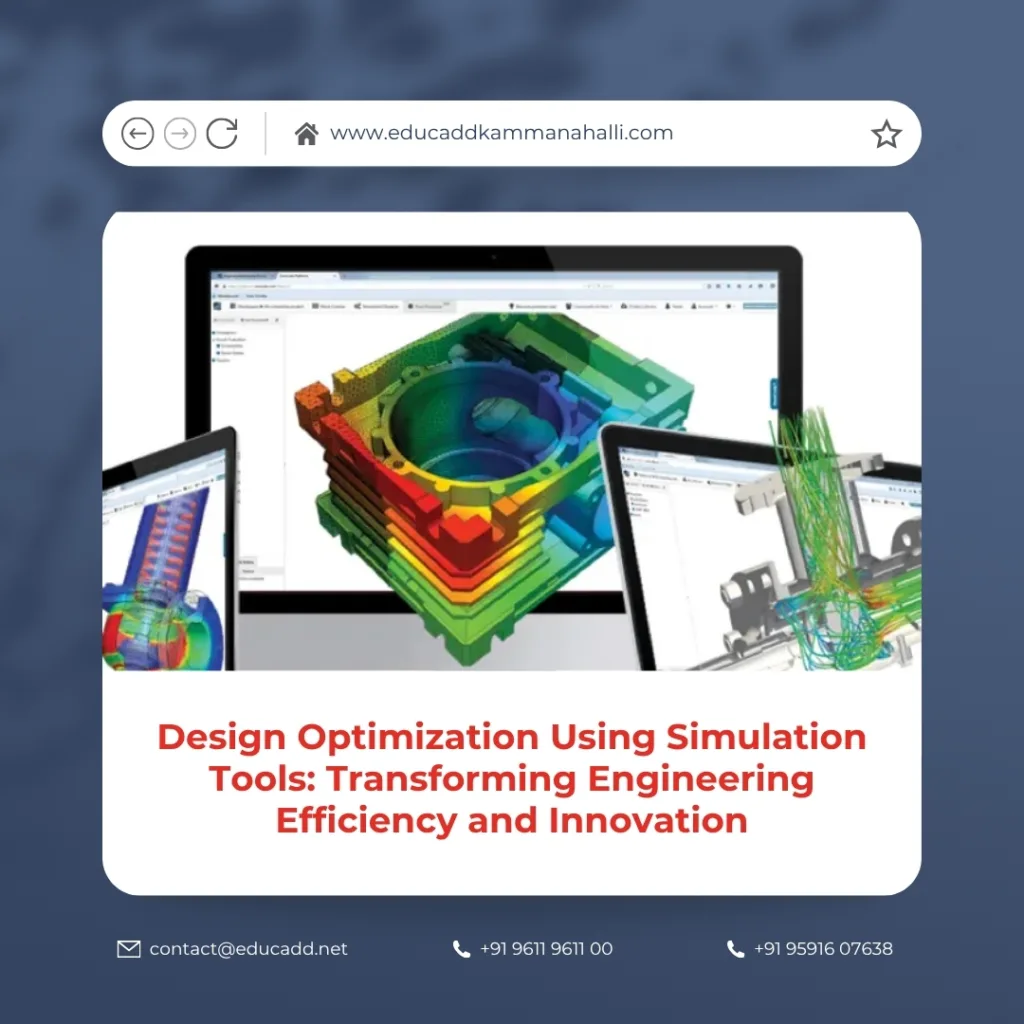
Design Optimization Simulation Tools
As competition grows, businesses must deliver high-quality designs while minimizing costs and time. Simulation-driven design optimization provides a powerful solution. It allows engineers to explore multiple design alternatives, test conditions virtually, and identify the most effective solutions with precision. This blog explores how simulation tools drive design optimization, their benefits, applications, and best practices for implementation.
1. Understanding Design Optimization
Design Optimization Simulation Tools refers to the process of improving a design to achieve the best possible performance under given constraints. Engineers define objectives such as reducing weight, increasing strength, or improving efficiency. Then, they adjust variables to meet these goals.
Simulation tools play a critical role in this process. They analyze how designs behave under real-world conditions, such as stress, temperature, or fluid flow. As a result, engineers make informed decisions without relying on assumptions.
Moreover, optimization ensures that resources are used efficiently. Instead of overdesigning components, teams create solutions that meet requirements precisely. This approach leads to cost savings and improved product reliability.
2. The Role of Simulation Tools in Modern Engineering
Design Optimization Simulation Tools allow engineers to create digital models and test them in a virtual environment. These tools replicate real-world conditions and provide accurate predictions of performance.
For example, finite element analysis (FEA) evaluates structural integrity, while computational fluid dynamics (CFD) analyzes fluid behavior. By combining these methods, engineers gain a comprehensive understanding of design performance.
Furthermore, simulation tools reduce dependency on physical prototypes. This not only saves time but also lowers development costs. Engineers can test multiple scenarios quickly and refine designs efficiently.
3. Key Benefits of Design Optimization Using Simulation Tools
Simulation-driven optimization offers several advantages that improve both design quality and project outcomes.
-
Reduced development time: Engineers identify issues early and resolve them before production.
-
Lower costs: Fewer prototypes and reworks lead to significant savings.
In addition, simulation enhances innovation. Engineers can explore unconventional ideas without the risk of failure. This flexibility encourages creativity and leads to better solutions.
4. Improving Product Performance and Reliability
Simulation tools help engineers predict how products will perform under various conditions. This ensures that designs meet performance requirements before manufacturing begins.
For instance, engineers can test how materials respond to stress or temperature changes. They can also identify weak points and strengthen them early in the design phase.
As a result, products become more reliable. Failures decrease, and customer satisfaction improves. This proactive approach reduces maintenance costs and enhances brand reputation.
5. Reducing Design Risks and Errors
Design errors can lead to costly failures and delays. Simulation tools minimize these risks by identifying potential issues early in the development process.
Engineers can simulate extreme conditions and analyze how designs respond. This allows them to address vulnerabilities before they become real problems.
Moreover, simulation provides data-driven insights. Decisions are based on accurate analysis rather than assumptions. Consequently, the likelihood of errors decreases significantly.
6. Enhancing Collaboration Across Teams
Modern projects involve multiple teams working together, including designers, engineers, and project managers. Simulation tools facilitate collaboration by providing a shared platform for analysis and decision-making.
Teams can review simulation results, discuss improvements, and make changes in real time. This transparency improves communication and ensures alignment across departments.
Additionally, cloud-based simulation tools enable remote collaboration. Teams can work from different locations without compromising efficiency.
7. Applications in Various Industries
Design optimization using simulation tools is widely applied across industries.
-
Automotive: Engineers optimize vehicle performance, safety, and fuel efficiency.
-
Construction: Simulation improves structural design and reduces material waste.
In aerospace, simulation ensures safety and performance under extreme conditions. In manufacturing, it enhances production efficiency and product quality. These applications demonstrate the versatility of simulation tools.
8. Role of Artificial Intelligence in Simulation
Artificial intelligence (AI) is transforming simulation-driven design optimization. AI algorithms analyze large datasets and identify patterns that humans might overlook.
For example, AI can suggest design improvements based on previous simulations. It can also automate repetitive tasks, allowing engineers to focus on innovation.
Moreover, machine learning models improve accuracy over time. As more data becomes available, simulations become more precise and reliable. This integration of AI enhances the overall effectiveness of design optimization.
9. Digital Twins and Real-Time Optimization
Digital twin technology creates a virtual replica of a physical system. This allows engineers to monitor performance and optimize designs in real time.
By integrating simulation with real-world data, digital twins provide continuous feedback. Engineers can adjust designs based on actual operating conditions.
This approach improves efficiency and reduces downtime. It also enables predictive maintenance, which prevents failures before they occur.
10. Challenges in Implementing Simulation Tools
Despite their benefits, simulation tools come with challenges. High initial costs and the need for skilled professionals can limit adoption.
Additionally, accurate simulations require high-quality data. Poor data can lead to incorrect results and flawed decisions.
However, these challenges can be addressed through proper training and investment. Organizations that overcome these barriers gain a significant competitive advantage.
11. Best Practices for Effective Design Optimization
To maximize the benefits of simulation tools, organizations should follow best practices.
First, define clear objectives and constraints. This ensures that optimization efforts are focused and effective. Next, use accurate data and validate simulation models regularly.
Furthermore, involve cross-functional teams in the process. Collaboration leads to better insights and improved designs. Finally, continuously update tools and technologies to stay competitive.
12. Future Trends in Simulation-Driven Design
The future of design optimization is closely linked to technological advancements. Cloud computing, AI, and advanced analytics are driving innovation in simulation tools.
In the coming years, simulations will become faster and more accessible. Engineers will be able to run complex analyses in real time.
Moreover, automation will play a larger role. Routine tasks will be handled by intelligent systems, allowing engineers to focus on strategic decisions.
13. Impact on Sustainability and Environmental Goals
Sustainability has become a priority for organizations worldwide. Simulation tools support environmentally friendly design practices.
Engineers can optimize material usage, reduce waste, and improve energy efficiency. This leads to more sustainable products and processes.
Additionally, simulation helps organizations meet regulatory requirements. It ensures that designs comply with environmental standards and reduce their carbon footprint.
14. Real-World Examples of Design Optimization Success
Many organizations have successfully implemented simulation-driven design optimization. Automotive companies have reduced vehicle weight while maintaining safety standards.
Similarly, construction firms have optimized building designs to reduce costs and improve durability. These examples highlight the practical benefits of simulation tools.
Moreover, companies that adopt these technologies often gain a competitive edge. They deliver better products faster and at lower costs.
Conclusion
Design Optimization Simulation Tools has transformed the way engineers approach product development. It enables organizations to create efficient, reliable, and innovative designs while reducing costs and risks. By leveraging advanced technologies such as AI and digital twins, businesses can achieve greater accuracy and performance in their designs.
As industries continue to evolve, simulation-driven optimization will become even more essential. Organizations that embrace these tools will stay ahead of the competition and deliver superior results. Ultimately, simulation tools are not just a technological advancement—they are a strategic necessity for modern engineering success.

