
From Concept to Completion: What Are the Stages of Interior Design Projects and Why Do They Matter?
The Stages of Interior Design projects play a crucial role in transforming a simple idea into a beautiful, functional, and comfortable space. Whether the project involves a home, office, retail store, hotel, or commercial building, following a structured design process ensures successful results. Every stage serves a specific purpose and helps designers, clients, contractors, and suppliers work together efficiently.
Understanding the Stages of Interior Design projects is essential for anyone planning to renovate or design a new space. A systematic approach reduces mistakes, controls costs, improves communication, and ensures that the final outcome aligns with the client’s expectations. Moreover, each phase contributes to creating interiors that are aesthetically pleasing, practical, and sustainable.
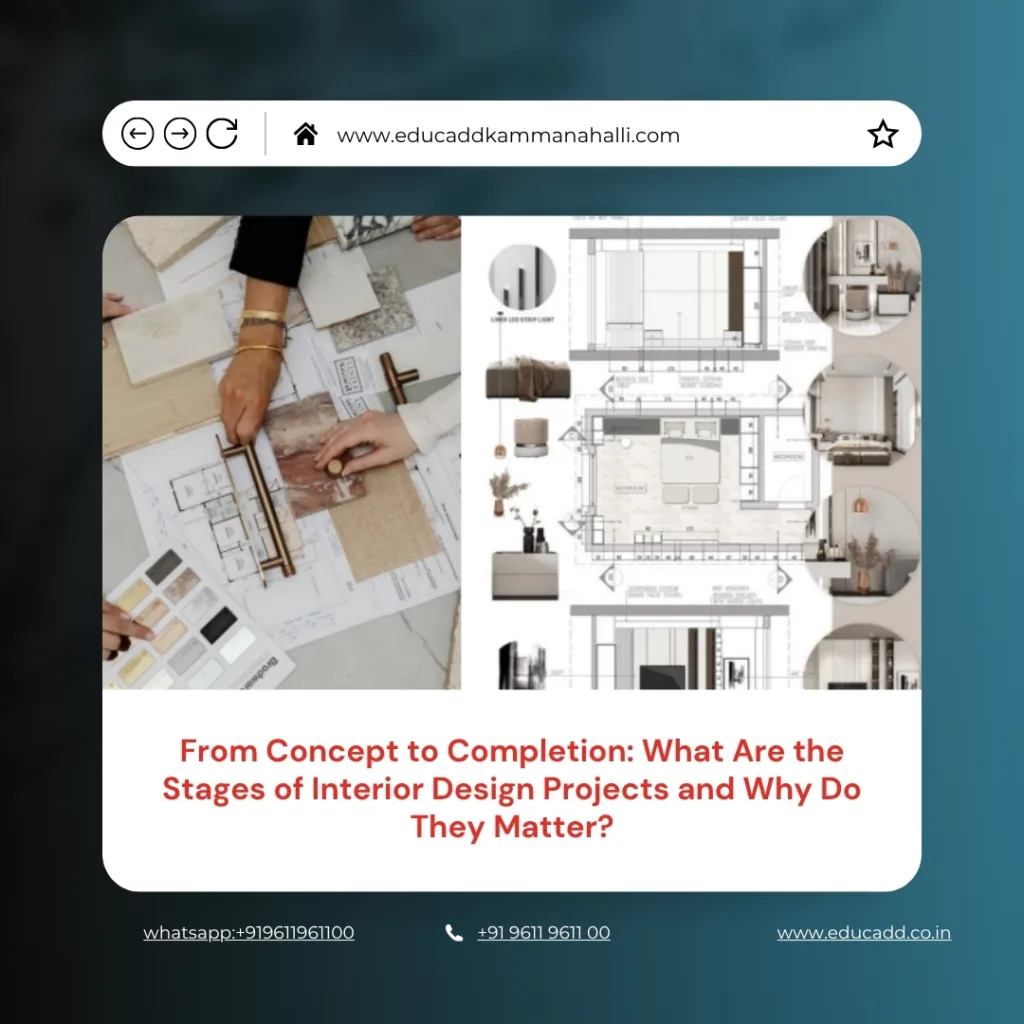
Stages of Interior Design
Today, interior design has evolved far beyond selecting colors and furniture. Designers analyze user needs, develop detailed plans, coordinate with construction teams, and oversee implementation. Therefore, knowing the stages of interior design projects helps clients appreciate the amount of planning and expertise involved in creating exceptional spaces.
1. Initial Consultation and Client Brief
Every successful project begins with an initial consultation. During this Stages of Interior Design meets the client to understand their goals, preferences, budget, lifestyle, and functional requirements. This meeting lays the foundation for the entire project.
The designer asks detailed questions about how the space will be used and what improvements the client expects. At the same time, they gather information about design preferences, color choices, furniture requirements, and future expansion plans.
This phase helps establish clear expectations from the beginning. Consequently, both the designer and client develop a shared vision that guides the project throughout its lifecycle.
Important discussions often include:
- Project objectives and design goals
- Budget limitations and project timeline
A detailed client brief created during this stage becomes the reference document for all future decisions.
2. Site Visit and Space Assessment
After understanding the client’s requirements, the designer conducts a comprehensive site visit. This stage involves examining the existing space and collecting accurate measurements.
The designer evaluates architectural features, structural elements, natural lighting, ventilation, electrical points, plumbing systems, and existing furniture. Every detail matters because it influences future design decisions.
During the site assessment, designers identify challenges and opportunities within the space. They also document dimensions and create preliminary sketches. Accurate measurements ensure that future plans fit perfectly and avoid costly errors during implementation.
Furthermore, this stage helps designers understand the physical environment and its limitations before developing design concepts.
3. Research and Information Gathering
Once the site assessment is complete, designers begin extensive research. This stage focuses on gathering inspiration, studying trends, exploring materials, and analyzing design possibilities.
The designer investigates various design styles that align with the client’s preferences. They also research furniture options, lighting solutions, color schemes, finishes, and sustainable materials.
Research enables designers to create innovative solutions while maintaining practicality. Additionally, it helps identify products that fit the project’s budget and performance requirements.
A thorough research phase ensures that every design decision is supported by knowledge and industry best practices.
4. Concept Development and Design Direction
Concept development is one of the most creative Stages of Interior Design projects. During this phase, designers translate ideas into visual concepts.
They create mood boards, inspiration boards, color palettes, material samples, and style references. These tools help communicate the overall design vision to the client.
The design concept establishes the project’s personality and atmosphere. It defines how the finished space will look and feel. Therefore, this stage plays a major role in shaping the final outcome.
Once the client reviews and approves the concept, the project moves into more detailed planning and design development.
5. Space Planning and Layout Design
Space planning focuses on organizing the available area efficiently. Designers determine furniture placement, circulation paths, functional zones, and spatial relationships.
A well-planned layout improves comfort, productivity, and usability. Designers carefully consider traffic flow, accessibility, ergonomics, and functionality.
This stage ensures that every square foot serves a purpose. For residential projects, designers focus on family needs and daily activities. For commercial projects, they prioritize operational efficiency and customer experience.
Effective space planning prevents overcrowding and creates balanced, harmonious interiors.
6. Schematic Design Development
At this stage, designers begin creating preliminary drawings and visual representations. Schematic designs illustrate how the approved concept will be implemented within the space.
The drawings typically include floor plans, furniture arrangements, ceiling layouts, and key design elements. These visuals help clients understand the project’s direction more clearly.
Designers refine ideas based on client feedback and make necessary adjustments. Consequently, the project gradually evolves into a practical and achievable design solution.
Schematic design serves as the bridge between conceptual ideas and detailed technical documentation.
7. Material and Finish Selection
Material selection significantly influences the appearance, durability, and functionality of interior spaces. During this phase, designers carefully choose finishes and materials that align with the design concept.
Selections may include flooring materials, wall finishes, ceiling treatments, cabinetry, countertops, fabrics, hardware, and decorative elements.
Designers evaluate each material based on several factors:
- Durability and maintenance requirements
- Cost, aesthetics, and sustainability
Selecting appropriate materials enhances both visual appeal and long-term performance. Furthermore, it ensures consistency throughout the project.
This stage often involves reviewing samples and mockups before final approval.
8. Furniture, Fixtures, and Equipment Selection
Furniture, fixtures, and equipment, commonly known as FF&E, form an important part of interior design projects. This phase involves selecting items that complement the design concept while meeting functional requirements.
Designers choose sofas, chairs, tables, workstations, lighting fixtures, decorative accessories, and storage solutions. Every item must contribute to the overall design theme.
Besides appearance, designers consider quality, comfort, dimensions, and durability. Proper FF&E selection enhances the user experience and strengthens the project’s visual identity.
Additionally, designers coordinate product availability and lead times to avoid delays during implementation.
9. Detailed Design and Technical Documentation
After finalizing design selections, the project enters the detailed documentation phase. This stage involves preparing comprehensive technical drawings and specifications.
Documentation may include floor plans, reflected ceiling plans, electrical layouts, lighting plans, joinery details, elevations, and construction specifications.
Contractors rely on these documents to execute the design accurately. Therefore, precision is essential.
Detailed documentation minimizes misunderstandings and provides clear instructions for construction teams. It also supports budgeting, procurement, and project management activities.
Without proper technical drawings, implementing even the most creative design becomes challenging.
10. Budget Planning and Cost Estimation
Budget management remains a critical aspect of every project. During this phase, designers prepare detailed cost estimates based on approved materials, furniture, labor, and construction requirements.
The goal is to ensure that the project remains financially viable while maintaining design quality. Designers often suggest alternatives if certain selections exceed budget limitations.
Cost estimation helps clients make informed decisions before implementation begins. Furthermore, it reduces the risk of unexpected expenses later in the project.
A realistic budget contributes significantly to project success and client satisfaction.
11. Procurement and Vendor Coordination
Once approvals and budgets are finalized, procurement activities begin. This stage involves purchasing materials, furniture, fixtures, and equipment required for the project.
Designers coordinate with suppliers, manufacturers, and vendors to ensure timely delivery. They also monitor product quality and verify specifications.
Efficient procurement prevents scheduling disruptions and maintains project momentum. Additionally, strong vendor relationships often help designers secure better pricing and product availability.
This phase requires careful planning because delays in material delivery can impact construction schedules.
12. Project Execution and Installation
Project execution represents the transformation of plans into reality. Contractors, craftsmen, electricians, plumbers, painters, and installers work together to implement the design.
The designer often supervises activities to ensure compliance with drawings and specifications. They monitor workmanship quality and address site challenges as they arise.
During installation, furniture, lighting, finishes, and decorative elements gradually come together. As a result, the space begins to reflect the original design vision.
This stage demands strong coordination and communication among all project stakeholders.
13. Site Supervision and Quality Control
Quality control ensures that the completed work meets established standards. Designers conduct regular site inspections to verify that construction and installation activities align with approved plans.
They identify deficiencies, monitor corrections, and ensure proper material usage. Frequent supervision helps maintain consistency and prevents costly rework.
Moreover, quality checks confirm that safety requirements and industry standards have been followed throughout the project.
A well-supervised project typically delivers better results and higher client satisfaction.
14. Final Styling and Project Handover
The final stage focuses on styling and presentation. Designers add finishing touches that enhance the space’s visual appeal and personality.
This phase may include arranging artwork, decorative accessories, plants, rugs, cushions, and accent lighting. These details create a polished and welcoming environment.
After completing styling activities, the designer conducts a final walkthrough with the client. Any remaining issues are addressed before formal handover.
The client receives project documentation, warranties, maintenance instructions, and operational guidance. Ultimately, the completed space becomes ready for use and enjoyment.
Conclusion
Understanding the Stages of Interior Design projects provides valuable insight into how professional designers transform ideas into exceptional spaces. Each phase contributes to the project’s success, from the initial consultation and site assessment to procurement, installation, and final handover.
A structured design process improves communication, enhances efficiency, controls costs, and ensures high-quality outcomes. Moreover, it helps designers and clients work together toward a common vision while minimizing risks and delays.
As interior design continues to evolve, these stages remain the foundation of successful residential and commercial projects. Whether designing a small apartment or a large corporate office, following a systematic approach ensures that every detail receives proper attention. Ultimately, the stages of interior design projects create spaces that are functional, attractive, comfortable, and aligned with the needs of those who use them every day.

