
Revolutionizing Spaces: How CAD Software Transforms Interior Design Planning
Interior design is no longer just about selecting colors, furniture, or layouts. In today’s fast-paced world, designers rely on precision, efficiency, and creativity tools to deliver outstanding results. Among these tools, CAD Interior Design Planning has emerged as a transformative solution. By bridging imagination with reality, CAD empowers designers to visualize, plan, and execute projects with unprecedented accuracy and creativity. This blog delves into how CAD software is changing the landscape of interior design, offering step-by-step insights, practical applications, and expert tips for both professionals and enthusiasts.
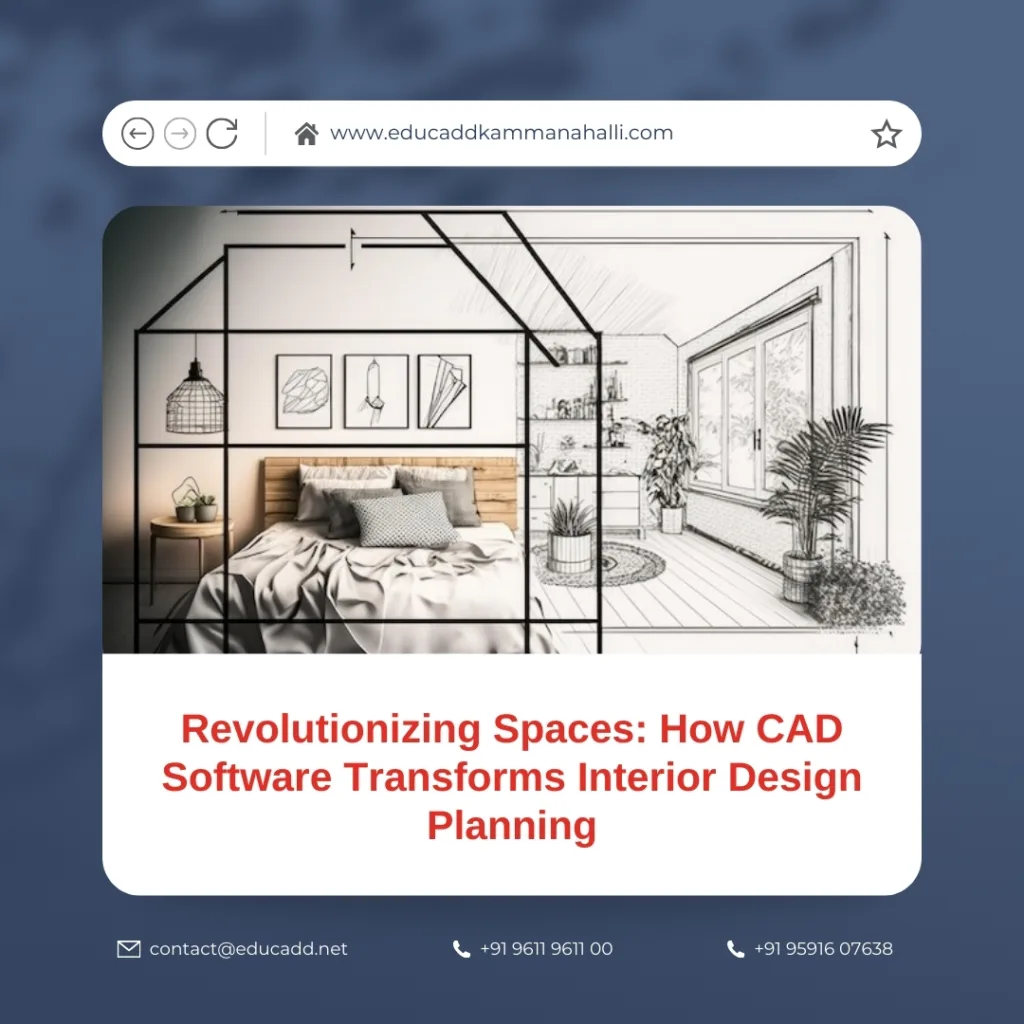
CAD Interior Design Planning
The Evolution of Interior Design and Technology Integration
Interior design has a rich history rooted in artistic expression and architectural functionality. Traditionally, designers relied on hand-drawn sketches, physical samples, and on-site measurements to communicate ideas. This process, while creative, was time-consuming and prone to errors. The emergence of computer-aided design (CAD) brought a paradigm shift. CAD Interior Design Planning allows professionals to translate conceptual sketches into precise digital models. This integration of technology streamlines workflows, reduces errors, and enhances client communication. Today, CAD tools are essential for managing modern design challenges, from compact urban apartments to expansive commercial spaces.
Understanding CAD Software in Interior Design
At its core, CAD software is a digital platform that enables designers to create, modify, analyze, and optimize designs in two or three dimensions. Unlike traditional drawing methods, CAD allows designers to experiment with layouts, textures, lighting, and furniture placement virtually. Popular CAD programs for interior design include AutoCAD, SketchUp, Revit, and 3ds Max. These tools provide a combination of technical precision and creative flexibility, empowering designers to develop highly accurate floor plans, 3D models, and realistic visualizations. The result is a seamless connection between design intent and execution.
Enhancing Precision in Floor Planning
Accurate floor planning forms the foundation of any successful interior design project. CAD software in interior design allows designers to create detailed floor plans that accurately reflect room dimensions, wall placements, and structural elements. Unlike hand-drawn layouts, digital floor plans minimize errors and facilitate instant adjustments. Designers can experiment with different furniture arrangements, room orientations, and circulation paths without physically moving objects. This precision ensures that projects not only look appealing but also function efficiently for everyday use, saving both time and resources.
Realistic 3D Visualization for Clients
One of the most compelling features of CAD software is the ability to produce realistic 3D visualizations. Traditional sketches and 2D plans often struggle to convey spatial relationships or material textures effectively. With CAD, designers can render photorealistic images that showcase furniture, colors, textures, and lighting effects. Clients can virtually walk through their space, experiencing a lifelike preview of the final design. This visualization fosters better communication, reduces misunderstandings, and allows clients to make informed decisions about materials and layouts, enhancing overall satisfaction.
Optimizing Space Utilization
Efficient use of space is a critical challenge in interior design, especially in urban environments where square footage is limited. CAD software offers advanced tools to optimize layouts and improve functionality. Designers can simulate multiple furniture arrangements, storage solutions, and traffic flows to identify the most effective configurations. By analyzing spatial dynamics digitally, designers ensure that each room maximizes comfort and utility. This ability to test various scenarios without physical modifications saves both time and costs, allowing interior spaces to serve their intended purpose fully.
Material and Color Simulation
Selecting the right materials and colors is vital for creating harmonious interiors. CAD software allows designers to test and visualize different combinations digitally. Wood finishes, tile patterns, wall paints, fabrics, and upholstery can all be applied in the virtual environment. This digital experimentation enables designers to identify the most aesthetically pleasing and functional options before purchasing materials. Furthermore, realistic lighting simulations help evaluate how colors and textures respond to natural and artificial light throughout the day, ensuring cohesive and visually appealing interiors.
Streamlining Project Documentation
Effective documentation is crucial for executing interior design projects. CAD software simplifies the generation of technical drawings, specifications, and schedules. Designers can automatically produce detailed plans, elevations, sections, and construction documents. These outputs provide clear instructions for contractors, reducing errors during implementation. Additionally, CAD files can be easily updated and shared with clients, engineers, or vendors, promoting collaboration. By streamlining documentation, designers save time, minimize miscommunication, and maintain a high level of professionalism throughout the project lifecycle.
Facilitating Collaboration Among Teams
Interior design often involves collaboration with architects, engineers, contractors, and clients. CAD software enables seamless integration and sharing of digital models among team members. Cloud-based platforms allow real-time updates, version control, and feedback, ensuring that everyone works on the latest design iteration. This collaborative environment minimizes conflicts and fosters innovative solutions. By providing a centralized workspace for all stakeholders, CAD tools enhance efficiency, transparency, and accountability, making complex projects manageable and predictable.
Incorporating Sustainability in Design
Sustainability has become a significant consideration in modern interior design. CAD software assists designers in creating eco-friendly and energy-efficient spaces. Tools for simulating natural lighting, airflow, and energy consumption help optimize designs for sustainability. Designers can experiment with sustainable materials and energy-efficient layouts virtually, reducing waste during the implementation phase. By integrating sustainability into the design process, CAD software enables professionals to deliver environmentally responsible solutions without compromising aesthetics or functionality.
Time and Cost Efficiency
Time and budget constraints are common challenges in interior design projects. CAD Interior Design Planning offers a practical solution by reducing manual labor and trial-and-error processes. Virtual testing of layouts, materials, and lighting eliminates costly mistakes. Accurate documentation ensures contractors implement designs correctly the first time. Additionally, clients can approve digital models before physical execution, minimizing revisions and delays. This combination of precision, planning, and visualization translates into significant cost savings, improved timelines, and smoother project execution.
Supporting Customization and Personalization
Modern clients demand personalized interior spaces that reflect their unique tastes and lifestyles. CAD software empowers designers to provide highly customized solutions. Furniture dimensions, storage systems, lighting layouts, and decorative elements can all be tailored digitally to match client preferences. Designers can experiment with multiple design concepts simultaneously, presenting options that align with both aesthetics and functionality. This level of customization strengthens client engagement and satisfaction, making CAD an indispensable tool for delivering bespoke interior experiences.
Virtual Reality and Augmented Reality Integration
CAD software increasingly integrates with Virtual Reality (VR) and Augmented Reality (AR) technologies. These immersive tools allow clients to experience their future space interactively. VR enables full 3D walkthroughs, while AR overlays digital designs onto real-world environments. This integration enhances spatial perception, improves decision-making, and creates a compelling presentation experience. Interior designers can showcase design concepts more vividly than ever, bridging the gap between imagination and reality and elevating the client experience to new heights.
Future Trends in CAD and Interior Design
The role of CAD Interior Design Planning continues to evolve with technological advancements. Artificial intelligence (AI) is being incorporated for automated layout suggestions, material recommendations, and trend analysis. Cloud-based collaboration and mobile access are making design workflows more flexible and accessible. As technology continues to advance, interior designers will increasingly rely on CAD tools not only for precision and visualization but also for innovation, sustainability, and immersive client experiences. Staying updated with these trends is essential for professionals seeking to maintain a competitive edge.
Conclusion
The integration of CAD Interior Design Planning has transformed the industry by enhancing precision, efficiency, and creativity. From floor planning and 3D visualization to collaboration, sustainability, and customization, CAD tools empower designers to deliver exceptional results. They bridge the gap between imagination and reality, allowing designers and clients to explore possibilities digitally before implementation. As technology evolves, CAD software will continue to redefine the boundaries of interior design, making it a critical tool for anyone aiming to create functional, beautiful, and innovative living and working spaces. For modern interior designers, embracing CAD software is no longer optional—it is essential for staying relevant and delivering high-quality, client-focused projects.

