
Designing Inspiring Co-Working Spaces: A Complete Guide to Modern Interior Excellence
The way people work has changed dramatically over the last decade, and Co-working space interior design have emerged as powerful hubs of creativity, collaboration, and productivity. Unlike traditional offices, these shared environments must cater to diverse professionals, from freelancers to startups and even corporate teams. Therefore, interior design plays a crucial role in shaping the overall experience, influencing not only aesthetics but also functionality, comfort, and efficiency. A well-designed co-working space encourages interaction, enhances focus, and reflects a strong brand identity.
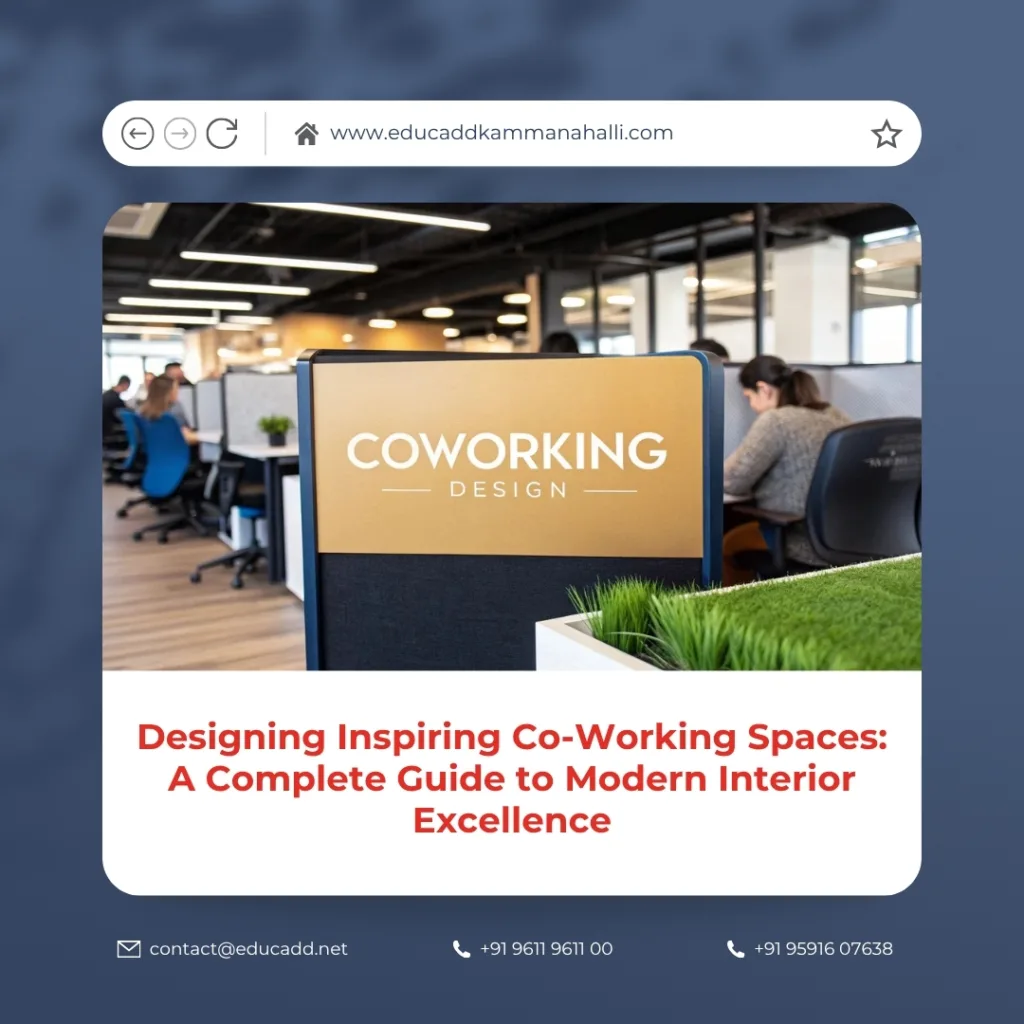
Co-working space interior design
Co-working space interior design is not just about placing desks and chairs; it involves creating an environment that balances openness with privacy, energy with calmness, and style with practicality. Designers must consider lighting, acoustics, ergonomics, color psychology, and spatial planning. When these elements come together seamlessly, the result is a workspace that inspires productivity and fosters innovation.
Understanding the Purpose of Co-Working Spaces
Before diving into design elements, it is essential to understand the purpose of co-working spaces. These environments serve multiple users with varying needs, making flexibility a top priority. Unlike conventional offices, co-working spaces must accommodate different work styles, from quiet individual tasks to collaborative team projects.
A successful design starts with identifying the target audience. For instance, a space catering to tech startups may require more collaborative zones, while one designed for freelancers might focus on quiet workstations. Designers must align the layout and aesthetics with user expectations to create a meaningful experience.
Space Planning and Layout Optimization
Effective space planning forms the backbone of any Co-working space interior design. A well-organized layout ensures smooth movement and efficient use of space. Open layouts are popular, but they must be balanced with designated zones for different activities.
Zoning is a key strategy in layout optimization. Designers can divide the space into areas such as workstations, meeting rooms, breakout zones, and relaxation corners. This approach helps maintain order while offering flexibility. Clear pathways and logical arrangements improve accessibility and enhance user experience.
Creating Functional Work Zones
Functionality is essential in co-working spaces, and creating dedicated work zones helps achieve this goal. Each zone should serve a specific purpose while maintaining a cohesive design language throughout the space.
-
Quiet zones for focused work with minimal distractions
-
Collaborative zones for brainstorming and group discussions
By clearly defining these areas, designers can cater to diverse needs without compromising on comfort or efficiency. This structured approach also reduces noise conflicts and improves productivity.
Importance of Ergonomic Furniture
Ergonomics plays a vital role in ensuring user comfort and long-term health. Since co-working spaces are used for extended hours, furniture must support proper posture and reduce physical strain.
Chairs with lumbar support, adjustable desks, and well-designed workstations enhance comfort and productivity. Investing in ergonomic furniture not only improves user satisfaction but also reflects a commitment to well-being. As a result, members are more likely to stay longer and remain engaged.
Lighting Design for Productivity and Mood
Lighting significantly impacts both mood and productivity. Natural light should be maximized wherever possible, as it boosts energy levels and reduces fatigue. Large windows, glass partitions, and open layouts help distribute natural light effectively.
Artificial lighting must complement natural sources. Task lighting, ambient lighting, and accent lighting should be layered to create a balanced environment. Warm lighting can be used in relaxation areas, while cooler tones work best in focused work zones.
Color Psychology in Interior Design
Colors influence emotions and behavior, making them a powerful tool in interior design. Choosing the right color palette can enhance productivity and create a welcoming atmosphere.
Neutral tones like white and beige provide a clean and professional look, while vibrant colors such as blue and green promote creativity and focus. Designers should use color strategically to differentiate zones and create visual interest without overwhelming the space.
Acoustic Design and Noise Management
Noise is one of the biggest challenges in co-working spaces. Without proper acoustic design, distractions can reduce productivity and cause frustration among users.
Sound-absorbing materials such as carpets, acoustic panels, and upholstered furniture help control noise levels. Additionally, designated quiet zones and phone booths provide spaces for uninterrupted work. By managing acoustics effectively, designers can create a more comfortable and functional environment.
Incorporating Biophilic Design Elements
Biophilic design connects indoor spaces with nature, promoting well-being and reducing stress. Adding natural elements can significantly enhance the overall ambiance of a co-working space.
Plants, natural materials, and earthy tones create a calming atmosphere. Green walls and indoor gardens not only improve air quality but also add visual appeal. These elements make the workspace feel more inviting and refreshing.
Technology Integration in Modern Workspaces
Technology is an integral part of co-working spaces, and seamless integration is essential for efficiency. High-speed internet, smart meeting rooms, and digital access systems enhance the user experience.
Designers should ensure that technology is easily accessible without disrupting the aesthetic appeal. Concealed wiring, smart lighting systems, and integrated charging stations contribute to a clean and modern look.
Brand Identity and Aesthetic Appeal
A strong brand identity sets a co-working space apart from competitors. Interior design should reflect the brand’s values, culture, and vision. This consistency helps create a memorable experience for users.
Wall graphics, signage, and customized furniture can reinforce branding. Designers should maintain a cohesive theme throughout the space to create a sense of unity and professionalism.
Flexible and Multi-Purpose Spaces
Flexibility is a defining feature of co-working spaces. Furniture and layouts should adapt to changing needs, allowing users to customize their environment.
-
Modular furniture that can be rearranged easily
-
Convertible spaces for events and workshops
These elements enable the space to serve multiple purposes, increasing its usability and value. Flexibility also ensures that the design remains relevant as user needs evolve.
Creating Community and Social Interaction Areas
Co-working spaces thrive on community and collaboration. Designing areas that encourage interaction helps build connections among users.
Lounges, cafes, and breakout areas provide opportunities for networking and informal discussions. Comfortable seating and inviting layouts make these spaces more appealing. When users feel connected, they are more likely to engage and collaborate.
Sustainability in Interior Design
Sustainable design practices are becoming increasingly important in modern interiors. Eco-friendly materials, energy-efficient lighting, and waste reduction strategies contribute to a greener workspace.
Using recycled materials and sustainable furniture reduces environmental impact. Additionally, energy-efficient systems lower operational costs. A commitment to sustainability enhances the brand image and appeals to environmentally conscious users.
Balancing Aesthetics and Functionality
A successful co-working space strikes the perfect balance between aesthetics and functionality. While visual appeal attracts users, functionality ensures long-term satisfaction.
Designers must focus on creating spaces that are both सुंदर and practical. Every element, from furniture to lighting, should serve a purpose while contributing to the overall design. This balance is key to creating a workspace that is both inspiring and efficient.
Conclusion
Co-working space interior design goes beyond decoration; it shapes the way people work, interact, and feel within a shared environment. By focusing on space planning, ergonomics, lighting, acoustics, and flexibility, designers can create spaces that support productivity and foster collaboration. Incorporating elements such as biophilic design, technology integration, and sustainability further enhances the overall experience.
As the demand for co-working spaces continues to grow, thoughtful interior design will remain a critical factor in their success. A well-designed space not only attracts users but also keeps them engaged, motivated, and inspired. Ultimately, the goal is to create an environment where creativity thrives, connections flourish, and work becomes a truly enjoyable experience.

