
Transforming Spaces That Work: The Power of Commercial Interior Design
Commercial spaces are evolving faster than ever, and design now plays a central role in how brands operate, communicate, and grow. From modern offices that inspire productivity to expansive malls that drive footfall and engagement, every space requires thoughtful planning. Commercial Interior Design Solutions brings strategy, creativity, and functionality together to shape environments where people feel motivated, comfortable, and connected.
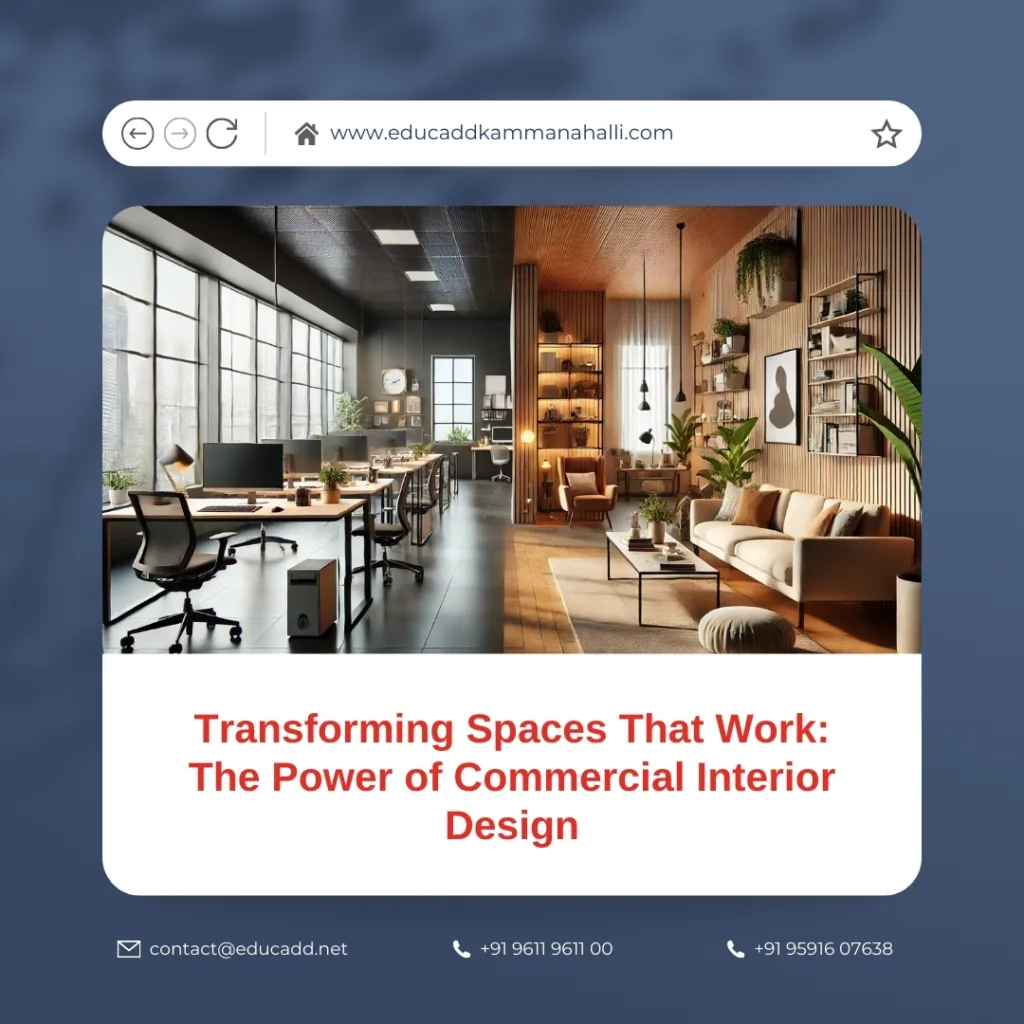
Commercial Interior Design Solutions
This blog explores how commercial interiors influence experiences, boost performance, and create long-term value.
1. Designing Offices That Boost Productivity and Collaboration
Modern workplaces demand more than desks and chairs. They need vibrant spaces that support teamwork, focus, and well-being. Today, companies understand that the environment directly impacts employee motivation. Because of this, Commercial Interior Design Solutions focuses on blending aesthetics with intelligent layouts.
Dynamic work zones are essential. Open seating encourages collaboration, while private pods support deep work. Natural lighting improves mood and reduces fatigue. Designers also use ergonomic furniture to prevent long-term discomfort. Smooth transitions between different work areas help teams move freely, without disrupting productivity.
Brand identity also plays a strong role. Colours, textures, and visual elements communicate culture the moment someone steps inside. Reception areas create memorable first impressions, and meeting rooms show how seriously the company treats innovation. When all these pieces fit together, the entire workspace becomes an engine for high performance.
Sustainability is another major shift. Energy-efficient lighting, eco-friendly materials, and green corners not only reduce costs but also support healthier work environments. As companies grow, flexible layouts allow easy expansion without complete reworks. This adaptability makes offices more future-ready and ensures the space supports the organisation’s long-term vision.
2. Creating Engaging Retail Spaces That Drive Customer Behavior
Retail is no longer only about selling products. It is about creating experiences that invite customers to explore, stay longer, and return. For this reason, malls and retail stores rely heavily on Commercial Interior Design to influence buying decisions.
Every detail matters. Storefront designs attract attention and encourage people to step inside. Lighting highlights products, while strategic pathways guide customers through key sections. When the layout flows naturally, shoppers interact with more items, increasing the chances of conversion.
Retail design also focuses on emotional appeal. Warm tones create comfort, while bold visuals generate excitement. Product displays with creative themes help customers imagine how items fit into their lives. Digital screens add movement and capture interest instantly, making the environment more interactive.
Malls follow similar principles but on a larger scale. Wide corridors, engaging décor, and thematic zones make each visit memorable. Seating areas help shoppers relax and extend their time on the premises. Food courts designed with inviting aesthetics offer a refreshing break from heavy shopping. All these elements create a complete experience, not just a shopping destination.
As online shopping grows, physical stores need stronger visual stories. This is where design becomes a differentiator. A well-styled space connects with customers emotionally, reinforces brand identity, and builds long-term loyalty.
3. Smart Space Planning for Maximum Efficiency
No commercial project succeeds without strategic space planning. Whether it’s an office, a retail outlet, or a hospitality space, every square foot must serve a clear purpose. Because of this, Commercial Interior Design integrates planning at the earliest stage.
A space planning process begins with understanding user needs. Offices require a balance between collaborative and private zones. Retail outlets need circulation paths that expose customers to more products. Restaurants require smooth flow between seating, kitchen, and service areas.
Zoning is the next step. Designers create functional clusters that simplify navigation and reduce clutter. For instance, office meeting rooms stay grouped to reduce noise spread. In malls, entertainment zones stay placed away from silent relaxation corners. This helps people use each area comfortably.
Another important factor is accessibility. Proper spacing, ramps, clear signage, and intuitive layouts ensure the space serves everyone equally. Good accessibility design also reduces accidents and confusion.
Technology enhances planning even further. Designers now use digital tools and 3D modelling to visualise layouts before construction. These tools help identify issues early and speed up decision-making. When space planning is done right, the final design becomes more coherent, efficient, and user-friendly.
4. Materials, Aesthetics, and Branding That Define Identity
Materials shape the personality of every commercial space. They influence durability, maintenance, acoustics, and even visitor perception. Because of this, Commercial Interior Design involves careful material selection.
Offices benefit from soft textures, acoustic panels, and warm wooden finishes that create a calm atmosphere. Retail spaces often use glossy surfaces, bold colours, and vibrant lighting to attract attention. Hospitality interiors prefer a mix of luxury materials such as marble, rich fabrics, and ambient lighting.
Aesthetics build emotional connections. When colours and textures blend well, the space feels cohesive. Designers also incorporate unique focal points to add character. Modern artwork, feature walls, and architectural lighting elevate the environment while reinforcing brand values.
Brand continuity is critical. Every visual detail must support the brand story. From signage styles to furniture choices, consistency helps visitors recognise and remember the brand. This consistency strengthens trust and gives the business a strong professional identity.
Sustainable materials are also becoming a priority. Bamboo, recycled wood, low-VOC paints, and energy-efficient fixtures reduce environmental impact and promote healthier indoor air. These choices also appeal to environmentally conscious consumers and corporate clients.
When materials and aesthetics align perfectly, the space not only looks appealing but also communicates purpose with clarity.
5. Future Trends Shaping Modern Commercial Interiors
The world of Commercial Interior Design continues to evolve as technology, consumer behaviour, and workplace culture change. Keeping up with trends helps businesses stay relevant and competitive.
Smart technology is at the forefront. Automated lighting, climate control, and touchless systems improve comfort and hygiene. Digital screens add flexibility to branding and communication. Offices now include smart booking systems for meeting rooms and desks, making operations smoother.
Hybrid work culture is redefining workplace design. Flexible layouts, multifunctional furniture, and technology-enabled collaboration zones support both remote and on-site teams. Breakout areas and wellness rooms help reduce stress and improve employee well-being.
Retail spaces are moving toward experiential design. Interactive displays, immersive lighting, and multi-sensory storytelling make shopping more engaging. Malls are adding entertainment zones, co-working spaces, and digital navigation kiosks to enhance convenience.
Biophilic design is another major trend. Natural elements such as indoor plants, earthy textures, and water features create calming environments. These elements reduce stress and make any commercial space feel more open and refreshing.
Sustainability continues to drive decisions. Businesses prefer energy-efficient solutions, recycled materials, and long-lasting designs. These choices reduce costs and support long-term responsibility.
The future of commercial interiors is adaptive, intelligent, and customer-centric. As trends evolve, design must evolve with them.
Conclusion
Commercial interior spaces define how people work, shop, and connect. When design aligns with business goals, it transforms ordinary environments into powerful experiences. Commercial Interior Design Solutions brings creativity, strategy, and practicality together to enhance productivity, support brand identity, and create meaningful interactions. Whether it’s an office, a retail space, or a large mall, well-designed interiors build stronger emotional connections and long-term value. As trends continue to shift, businesses that invest in thoughtful design will stay ahead and create spaces that truly make an impact.

