
The Art of Wall Treatments: How Paint, Panels, and Wallpaper Transform Ordinary Spaces into Stunning Interiors
Walls are no longer silent backdrops in interior design. Today, they define character, influence mood, and shape how a space feels and functions. Creative Wall Treatment Ideas has evolved far beyond basic paint finishes. With the thoughtful use of paint, panels, and wallpaper, walls can become expressive design elements that elevate both residential and commercial interiors. Whether you aim for timeless elegance, modern minimalism, or bold visual storytelling, wall treatments offer endless creative possibilities. This blog explores how paint, panels, and wallpaper work individually and together to transform ordinary walls into visually compelling design statements.
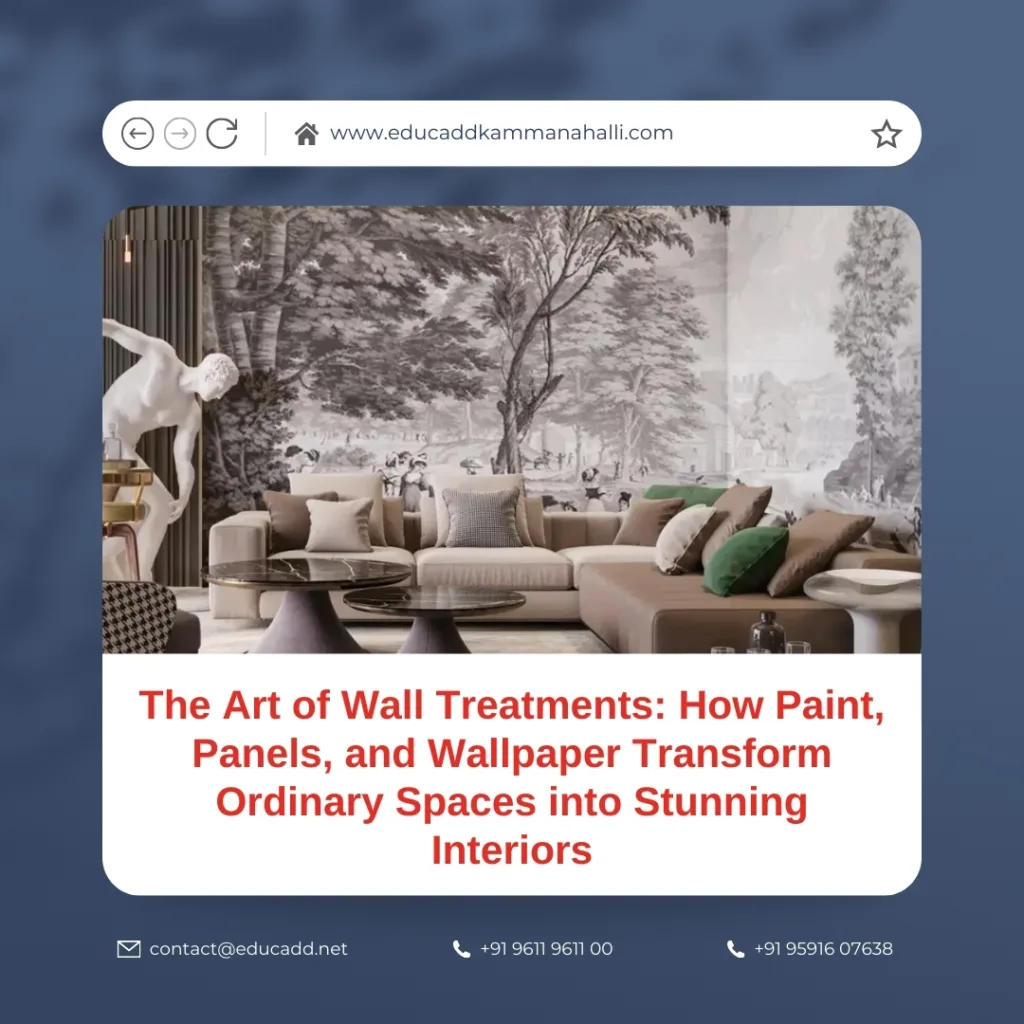
Creative Wall Treatment Ideas
1. Paint as a Powerful Foundation for Wall Design
Paint remains the most versatile and widely used wall treatment, yet its potential often goes underutilized. Modern paint technologies now offer finishes that go far beyond flat or glossy surfaces. Matte paints create a soft, sophisticated look, while satin and eggshell finishes add subtle depth without overpowering the room. High-gloss paints, when used selectively, reflect light and add drama, especially in contemporary interiors.
Color psychology also plays a crucial role inCreative Wall Treatment Ideas using paint. Warm tones such as terracotta, beige, and muted yellows create welcoming environments, while cool shades like blues and greens promote calmness and focus. Neutral palettes remain popular, yet accent walls in deep hues such as charcoal, emerald, or navy add richness and contrast. Moreover, techniques like color blocking, ombré effects, and textured paint finishes allow designers to introduce movement and personality.
Paint also acts as a unifying element. It helps balance furniture, lighting, and architectural details. When applied strategically, it visually expands small rooms or adds intimacy to large spaces. As part of the art of wall treatments, paint serves as the essential starting point that sets the tone for all other design layers.
2. Wall Panels: Adding Depth, Structure, and Luxury
Wall panels bring architectural interest and tactile richness to interiors. Unlike paint, panels introduce physical depth, making walls more dynamic and visually engaging. Materials range from classic wood and MDF to modern PVC, fabric, metal, and even eco-friendly composites. Each material delivers a distinct aesthetic and functional advantage.
Wood panels offer warmth and timeless appeal, making them ideal for living rooms, offices, and hospitality spaces. Fluted panels and vertical slats are particularly popular, as they enhance height perception and add rhythm to walls. Fabric panels improve acoustics while providing a plush, luxurious feel, often used in bedrooms and media rooms. Meanwhile, 3D panels create sculptural effects that transform walls into focal points.
Panels also excel in durability and maintenance. They protect walls from wear and tear, making them suitable for high-traffic areas. In the broader context of the art of wall treatments, panels bridge the gap between architecture and décor. They provide structure, enhance spatial definition, and elevate interiors with a sense of craftsmanship and permanence.
3. Wallpaper: Storytelling Through Patterns and Textures
Wallpaper has made a remarkable comeback, redefining how walls communicate style and personality. Today’s wallpapers feature advanced materials, removable options, and high-quality prints that suit both modern and traditional spaces. From subtle textures to bold murals, wallpaper offers unmatched visual storytelling.
Patterns play a key role in setting the mood. Geometric designs convey modernity, floral motifs bring softness, and abstract prints add artistic flair. Textured wallpapers, such as grasscloth or faux plaster finishes, introduce depth without overwhelming the space. Murals and panoramic wallpapers turn walls into immersive experiences, making them ideal for feature walls.
Wallpaper also complements other wall treatments beautifully. When paired with painted walls or paneled sections, it creates layered interiors that feel curated and intentional. In the art of wall treatments, wallpaper acts as the expressive voice, allowing walls to narrate stories, reflect personal taste, and establish strong visual identities.
4. Combining Paint, Panels, and Wallpaper for Layered Interiors
The true mastery of wall design lies in combining paint, panels, and wallpaper harmoniously. Rather than choosing a single treatment, designers now layer materials to create balance and visual interest. For instance, painted walls can serve as a neutral canvas, while paneled sections add structure and wallpaper introduces pattern.
Zoning becomes easier with mixed wall treatments. In open-plan spaces, panels can define dining or working areas, while wallpaper highlights lounge zones. Color continuity through paint ensures cohesion, even when textures and patterns vary. This approach allows spaces to feel dynamic without appearing cluttered.
Transitions matter greatly when blending wall treatments. Clean edges, consistent color palettes, and thoughtful placement maintain visual flow. When executed well, this layered approach showcases the full potential of the art of wall treatments, resulting in interiors that feel both functional and artistically refined.
5. Functional Benefits Beyond Aesthetics
Wall treatments do more than enhance appearance. They also deliver practical benefits that improve everyday living. Acoustic panels reduce noise levels, making them ideal for offices and entertainment spaces. Washable paints and vinyl wallpapers offer easy maintenance, especially in kitchens and children’s rooms.
Thermal insulation improves when panels or textured wallpapers are used, contributing to energy efficiency. Additionally, wall treatments can conceal imperfections, wiring, or uneven surfaces, creating cleaner visual lines. In commercial settings, branded wallpapers and panel designs reinforce identity and professionalism.
By blending beauty with functionality, the art of wall treatments proves that good design supports comfort, usability, and long-term value.
6. Choosing the Right Wall Treatment for Each Space
Selecting the right wall treatment requires understanding the purpose of the space, lighting conditions, and user preferences. Bedrooms benefit from calming paint tones, soft panels, or subtle wallpapers that promote relaxation. Living rooms allow for bolder experimentation, combining textured panels with accent wallpapers.
In offices, neutral paint palettes paired with acoustic panels enhance focus and productivity. Retail and hospitality spaces often rely on statement walls using wallpaper or 3D panels to leave lasting impressions. Lighting should always influence material choice, as natural and artificial light alter color perception and texture visibility.
Budget and maintenance considerations also guide decisions. Paint offers affordability and flexibility, while panels and wallpaper provide long-term durability and impact. Thoughtful selection ensures that the art of wall treatments aligns with both aesthetic goals and practical needs.
7. Trends Shaping the Future of Wall Treatments
The future of wall treatments emphasizes sustainability, customization, and sensory experiences. Eco-friendly paints with low VOCs, recycled panel materials, and biodegradable wallpapers are gaining popularity. Technology now allows custom prints and digital murals, enabling personalized designs.
Biophilic elements also influence wall design. Natural textures, earthy tones, and organic patterns bring the outdoors inside. Additionally, smart walls with integrated lighting and acoustic features redefine how walls interact with users.
As trends evolve, the art of wall treatments continues to adapt, offering innovative ways to blend design, technology, and sustainability.
Conclusion: Elevating Spaces Through Thoughtful Wall Design
Walls shape how spaces feel, function, and inspire. Through the creative use of paint, panels, and wallpaper, interiors gain depth, character, and purpose. Creative Wall Treatment Ideas lies in thoughtful selection, balanced layering, and an understanding of both aesthetics and function. When walls receive the attention they deserve, they transform spaces into environments that resonate with comfort, style, and identity. By embracing these techniques, designers and homeowners alike can turn simple walls into lasting design statements.

