
Electrical Engineer vs Electrical Draftsman: Understanding the Key Differences, Responsibilities, and Career Opportunities
The debate around Electrical Engineer vs Draftsman Roles often arises among students, professionals, and organizations involved in electrical projects. While both professionals contribute significantly to the success of electrical systems and infrastructure, their responsibilities, skills, and career paths differ considerably. An electrical engineer focuses on designing, analyzing, and optimizing electrical systems, whereas an electrical draftsman transforms engineering concepts into detailed technical drawings and documentation.
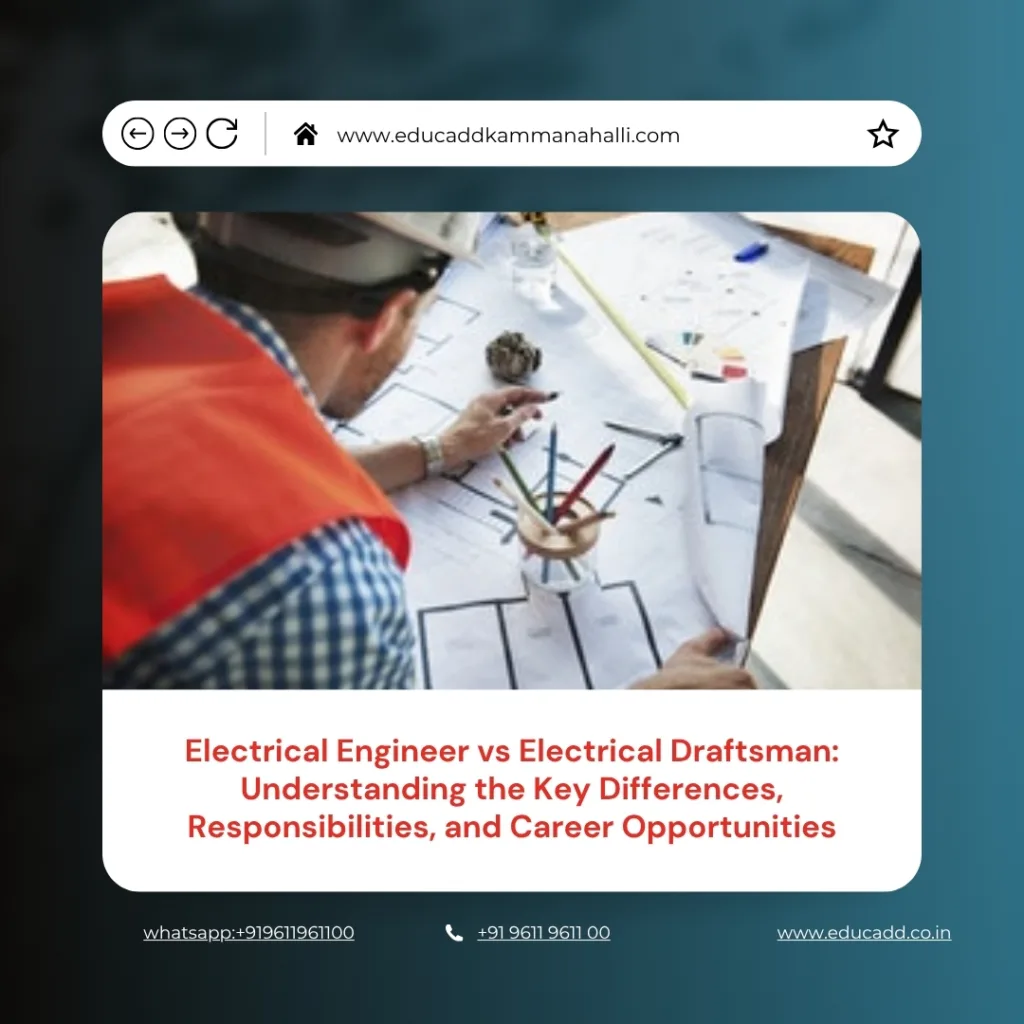
Electrical Engineer vs Draftsman
As industries continue to adopt advanced technologies and large-scale electrical installations, the collaboration between Electrical Engineer vs Draftsman becomes increasingly important. Understanding the distinction between these two roles helps businesses hire the right talent and assists aspiring professionals in choosing a career path that aligns with their interests and skills. This article explores the differences, similarities, responsibilities, qualifications, and career prospects associated with both professions.
What Is an Electrical Engineer?
An electrical engineer is a highly trained professional responsible for designing, developing, testing, and maintaining electrical systems and equipment. These systems may include power generation facilities, transmission networks, industrial automation systems, renewable energy solutions, and electrical components used in various industries.
Electrical engineers work on projects from concept to completion. They perform calculations, select equipment, evaluate system performance, and ensure compliance with safety standards and regulations. Their expertise helps organizations achieve efficient and reliable electrical operations.
Moreover, electrical engineers often collaborate with project managers, architects, contractors, and clients to ensure that project objectives are met. Their analytical and problem-solving abilities play a crucial role in overcoming technical challenges and improving system performance.
What Is an Electrical Draftsman?
An electrical draftsman is a technical professional who prepares detailed drawings and plans based on specifications provided by engineers and project teams. These drawings serve as visual guides for construction, installation, maintenance, and manufacturing activities.
Electrical draftsmen utilize computer-aided design (CAD) software to create accurate schematics, wiring diagrams, panel layouts, circuit designs, and installation drawings. Their work ensures that engineers’ concepts are translated into precise documentation that can be understood and implemented by technicians and contractors.
Although draftsmen do not typically make engineering decisions, they play a vital role in ensuring that technical drawings are clear, accurate, and compliant with project requirements.
Educational Requirements for Electrical Engineers
Becoming an electrical engineer generally requires a bachelor’s degree in electrical engineering or a related discipline. The curriculum includes subjects such as electrical circuits, power systems, control systems, electronics, electromagnetics, mathematics, and computer programming.
Many engineers pursue additional certifications and advanced degrees to enhance their expertise and career prospects. Continuous learning remains essential because electrical technologies evolve rapidly.
Some important qualifications for electrical engineers include:
- Strong analytical and mathematical abilities.
- Knowledge of electrical design standards and industry regulations.
Professional licensing may also be required depending on the country, industry, and project scope. These credentials demonstrate competence and commitment to professional excellence.
Educational Requirements for Electrical Draftsmen
Electrical draftsmen typically complete diploma programs, technical certifications, or associate degrees in drafting technology, electrical drafting, or engineering design. Their education focuses on technical drawing principles, CAD software, blueprint interpretation, and industry drafting standards.
Unlike engineers, draftsmen generally do not require extensive coursework in advanced engineering analysis or system design. However, they must possess excellent attention to detail and a thorough understanding of drafting conventions.
Proficiency in software platforms such as AutoCAD, Revit, MicroStation, and other design tools significantly improves employment opportunities and workplace efficiency.
Core Responsibilities of an Electrical Engineer
Electrical engineers handle a wide range of technical responsibilities throughout a project’s lifecycle. Their primary objective is to create safe, efficient, and cost-effective electrical systems that meet operational requirements.
Typical responsibilities include system design, load calculations, equipment selection, risk assessment, performance evaluation, and project coordination. They also review technical specifications, conduct inspections, and provide engineering solutions to complex challenges.
In addition, electrical engineers analyze project feasibility and recommend improvements that enhance productivity and energy efficiency. Their decisions directly influence project success and long-term operational performance.
Core Responsibilities of an Electrical Draftsman
Electrical draftsmen focus primarily on creating detailed technical drawings and documentation. They convert engineering concepts into visual representations that guide construction and installation teams.
Their responsibilities often include preparing wiring diagrams, electrical layouts, single-line diagrams, control schematics, panel schedules, and as-built drawings. They must ensure that every drawing reflects project specifications accurately.
Furthermore, draftsmen update drawings when design modifications occur. This responsibility helps maintain consistency and prevents costly errors during implementation. Their attention to detail contributes significantly to project accuracy and quality.
Technical Skills Required in Both Roles
Although both professions operate within the electrical field, they require distinct technical skill sets. Electrical engineers need advanced engineering knowledge and analytical capabilities, while draftsmen require exceptional drafting and visualization skills.
Electrical engineers typically use simulation software, electrical design tools, and analytical platforms to evaluate system performance. In contrast, draftsmen spend most of their time working with CAD software and technical documentation systems.
Both professionals benefit from strong communication skills, teamwork, and a commitment to accuracy. Their collaboration ensures smooth project execution and effective knowledge transfer throughout the project lifecycle.
Software Tools Used by Electrical Engineers and Draftsmen
Technology plays a major role in modern electrical projects. Engineers and draftsmen utilize specialized software to improve productivity and maintain accuracy.
Common software used by electrical engineers includes ETAP, MATLAB, SKM Power Tools, PSCAD, and other simulation platforms. These tools help evaluate system behavior and optimize performance.
Electrical draftsmen commonly use:
- AutoCAD Electrical for drafting and schematic creation.
- Revit MEP for building information modeling and design coordination.
The effective use of these software solutions enhances collaboration and streamlines project workflows across engineering and construction teams.
Decision-Making Authority and Project Involvement
One of the most significant distinctions in the discussion of Electrical Engineer vs Draftsman Roles lies in decision-making authority. Electrical engineers possess the expertise and qualifications required to make technical decisions that impact system functionality, safety, and compliance.
They evaluate alternatives, approve designs, and provide engineering recommendations. Their decisions often carry legal and professional accountability.
Electrical draftsmen, on the other hand, focus on implementing approved designs within technical drawings. While they may suggest improvements related to drafting efficiency, final engineering decisions typically remain the responsibility of engineers.
Career Growth Opportunities
Electrical engineers generally enjoy broader career advancement opportunities because of their technical expertise and leadership potential. They can progress into senior engineering positions, project management roles, consulting careers, research positions, and executive leadership roles.
Industries such as power generation, manufacturing, telecommunications, construction, transportation, and renewable energy consistently seek skilled electrical engineers.
Electrical draftsmen can also achieve rewarding career growth. With experience, they may become senior draftsmen, CAD coordinators, BIM specialists, design supervisors, or technical documentation managers. Continuous software training and specialization can further enhance career prospects.
Salary Comparison Between Electrical Engineers and Draftsmen
Salary levels often reflect the differences in education, responsibilities, and decision-making authority associated with each profession. Electrical engineers generally earn higher salaries due to their advanced qualifications and engineering responsibilities.
Factors influencing compensation include experience, industry, geographic location, certifications, and project complexity. Engineers working in specialized sectors such as renewable energy, automation, and power systems often receive competitive compensation packages.
Electrical draftsmen also earn attractive salaries, particularly when they possess expertise in advanced CAD technologies and building information modeling. As demand for precise technical documentation increases, skilled draftsmen remain valuable assets in many industries.
Importance of Collaboration Between Engineers and Draftsmen
Successful electrical projects depend on effective collaboration between engineers and draftsmen. Engineers develop concepts, perform technical analysis, and establish design criteria. Draftsmen transform these concepts into detailed visual documents that support construction and implementation activities.
Strong communication between both professionals minimizes errors, reduces project delays, and enhances overall efficiency. When engineers and draftsmen work closely together, organizations benefit from improved project quality, better resource utilization, and more accurate documentation.
This collaborative relationship ensures that design intentions are clearly communicated and successfully executed in real-world applications.
Choosing the Right Career Path
Selecting between an engineering and drafting career depends on individual interests, strengths, educational goals, and long-term aspirations. Individuals who enjoy mathematics, technical problem-solving, innovation, and system design may find electrical engineering more suitable.
Conversely, those who excel at visualization, technical drawing, software-based design, and attention to detail may thrive as electrical draftsmen. Both professions offer stable employment opportunities and contribute significantly to the success of electrical infrastructure projects.
Evaluating personal interests and career objectives can help aspiring professionals make informed decisions regarding their future in the electrical industry.
Future Trends Affecting Both Professions
The electrical industry continues to evolve through advancements in automation, renewable energy, smart grids, artificial intelligence, and digital engineering technologies. These developments influence both engineering and drafting roles.
Electrical engineers increasingly focus on sustainable energy systems, intelligent infrastructure, and advanced automation solutions. Meanwhile, electrical draftsmen are adopting sophisticated BIM platforms, 3D modeling technologies, and digital collaboration tools.
As organizations embrace digital transformation, both professions will continue to adapt and develop new competencies that support innovation and project excellence.
Conclusion
Understanding Electrical Engineer vs Draftsman is essential for students, employers, and professionals seeking clarity about these important careers. Although both positions operate within the electrical industry, their responsibilities, qualifications, and contributions differ significantly. Electrical engineers focus on designing, analyzing, and optimizing electrical systems, while electrical draftsmen specialize in creating precise technical drawings that bring engineering concepts to life.
Both careers offer valuable opportunities, strong industry demand, and rewarding professional growth. Most importantly, successful electrical projects rely on the combined expertise of engineers and draftsmen working together toward a common goal. By recognizing the unique strengths of each profession, organizations can build stronger teams and achieve superior project outcomes in an increasingly technology-driven world.

