
Decoding Electrical Symbols, Standards & Libraries: The Ultimate Guide for Modern Engineers
Electrical Symbols Standards Guide are the universal language of engineers, technicians, and designers. Whether you are working on industrial automation, residential wiring, or complex control systems, electrical symbols form the backbone of communication. Without standardized symbols and organized libraries, interpreting circuits would become confusing, error-prone, and inefficient. That is why understanding electrical symbols, standards, and libraries is not just useful—it is essential.
In today’s fast-paced engineering environment, professionals rely on clear documentation and precise schematics. Electrical symbols simplify complex systems into readable diagrams. Standards ensure that everyone interprets these symbols in the same way, regardless of location or organization. Libraries, on the other hand, provide ready-to-use symbol collections that save time and improve consistency.
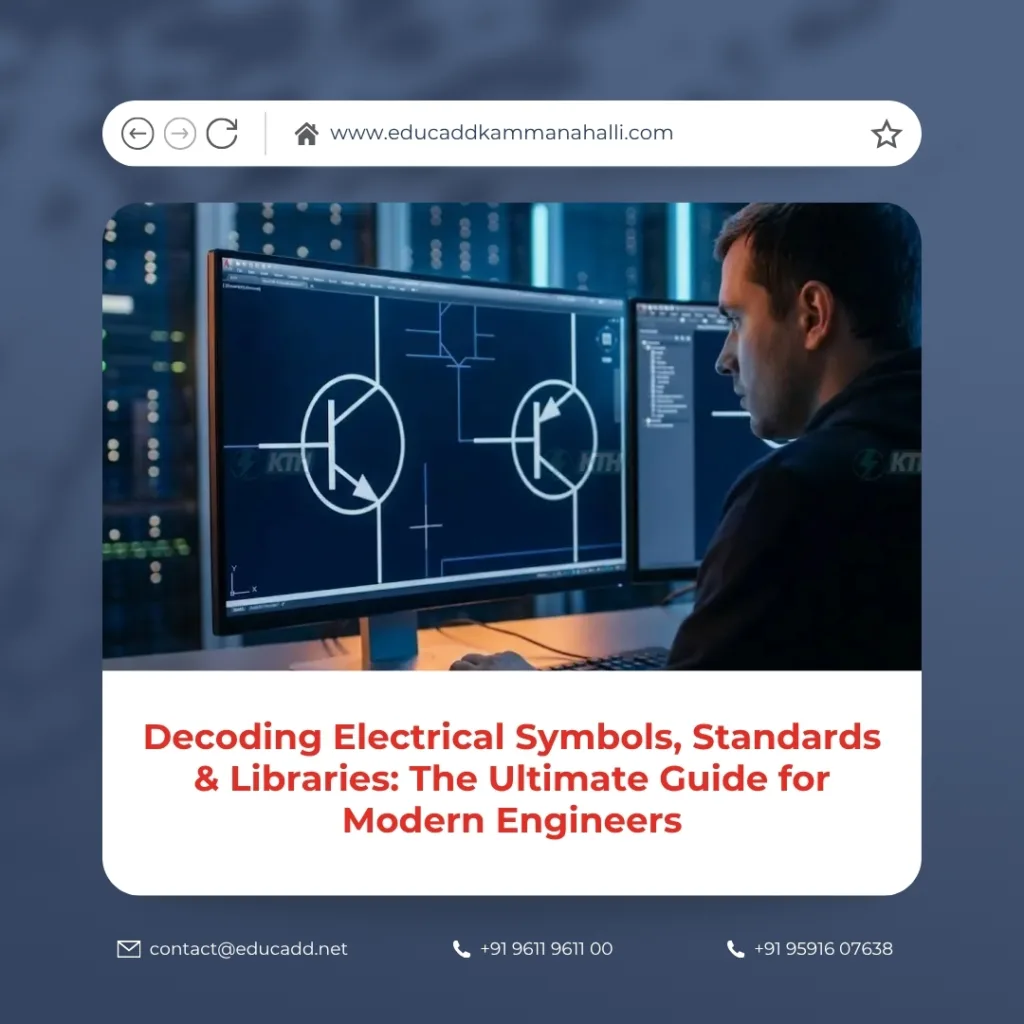
Electrical Symbols Standards Guide
This comprehensive guide explores electrical symbols, the standards that govern them, and the libraries that streamline design workflows. By the end, you will have a strong understanding of how to use these elements effectively in real-world projects.
1. Understanding Electrical Symbols and Their Purpose
Electrical Symbols Standards Guide represent physical components in a simplified graphical form. Instead of drawing actual devices, engineers use symbols to depict resistors, switches, motors, and more. This approach makes schematics easier to read and faster to create.
Each symbol conveys specific information about a component’s function. For instance, a zigzag line often represents a resistor, while parallel lines indicate a capacitor. These symbols allow engineers to visualize connections without unnecessary complexity.
Moreover, symbols reduce ambiguity. When used correctly, they eliminate the need for lengthy explanations. As a result, teams can collaborate more efficiently across different departments and locations.
2. The Evolution of Electrical Symbols in Engineering
Electrical symbols have evolved alongside technological advancements. Early diagrams were often inconsistent, with different engineers using their own representations. This lack of uniformity created confusion and errors.
As electrical systems grew more complex, the need for standardization became clear. Organizations began to develop unified symbol systems. Over time, these systems became widely accepted across industries.
Today, modern symbols are designed for clarity and precision. Digital tools have further enhanced their usability, enabling engineers to create detailed schematics with ease. This evolution has significantly improved design accuracy and communication.
3. Importance of Standardization in Electrical Design
Standardization ensures that electrical drawings are universally understood. Without standards, even simple circuits could be misinterpreted, leading to costly mistakes.
When symbols follow a recognized standard, engineers can read diagrams created by others without confusion. This consistency is especially important in global projects, where teams may be spread across multiple countries.
In addition, standardization supports safety. Accurate interpretation of diagrams helps prevent wiring errors, equipment damage, and potential hazards. Therefore, adhering to standards is not optional—it is critical.
4. Key Electrical Standards You Should Know
Several organizations define electrical symbol standards. Each standard serves specific industries and regions. Understanding these standards helps you choose the right one for your project.
Some widely used standards include:
- IEC (International Electrotechnical Commission)
- ANSI (American National Standards Institute)
- IEEE (Institute of Electrical and Electronics Engineers)
- ISO (International Organization for Standardization)
These standards define symbol shapes, naming conventions, and diagram structures. By following them, engineers ensure clarity and compatibility across projects.
5. IEC vs ANSI Symbols: Key Differences Explained
IEC and ANSI are two of the most commonly used standards. While they serve the same purpose, their symbols often differ in appearance and style.
IEC symbols are widely used in Europe and many international projects. They tend to be more simplified and minimalistic. ANSI symbols, on the other hand, are commonly used in North America and may include more detailed representations.
Understanding these differences is essential when working on international projects. Choosing the correct standard ensures that your diagrams are easily understood by your target audience.
6. Common Electrical Symbols and Their Meanings
Electrical Symbols Standards Guide include a wide range of symbols. Each symbol represents a specific component or function within a circuit.
Some commonly used symbols include:
- Resistors: Control current flow
- Capacitors: Store electrical energy
- Inductors: Manage magnetic fields
- Switches: Open or close circuits
- Transformers: Transfer electrical energy between circuits
By learning these symbols, engineers can quickly interpret complex diagrams. This knowledge forms the foundation of electrical design.
7. Role of Electrical Libraries in Design Software
Electrical libraries are collections of predefined symbols used in design software. These libraries allow engineers to access standardized components quickly.
Instead of creating symbols from scratch, users can simply select them from a library. This approach saves time and ensures consistency across drawings.
Libraries also support scalability. As projects grow, engineers can easily add new components without disrupting existing designs. This flexibility is crucial in modern engineering workflows.
8. Benefits of Using Standardized Symbol Libraries
Using standardized libraries offers several advantages. First, it improves efficiency. Engineers can complete designs faster by reusing existing symbols.
Second, it enhances accuracy. Standardized symbols reduce the risk of errors and misinterpretation. Third, it promotes consistency across projects.
Key benefits include:
- Faster design and documentation
- Improved collaboration among teams
These advantages make symbol libraries an essential tool for engineers.
9. Types of Electrical Symbol Libraries
Electrical symbol libraries come in different forms, depending on the software and application. Some libraries are built into design tools, while others can be customized.
Common types include manufacturer-specific libraries, industry-standard libraries, and user-defined libraries. Each type serves a unique purpose.
Manufacturer libraries include symbols for specific products. Industry libraries follow standard conventions. User-defined libraries allow customization based on project needs. Choosing the right type depends on your workflow and requirements.
10. Creating Custom Electrical Symbols and Libraries
In many cases, engineers need to create custom symbols. This requirement arises when working with unique components or specialized systems.
Creating custom symbols involves defining the graphical representation and assigning properties such as name, function, and connections. These symbols can then be added to a library for future use.
Custom libraries improve efficiency in repetitive tasks. They also ensure that unique components are accurately represented. However, it is important to maintain consistency with existing standards while creating custom symbols.
11. Best Practices for Managing Symbol Libraries
Effective library management is essential for maintaining quality and consistency. Poorly organized libraries can lead to confusion and errors.
To manage libraries effectively, engineers should follow these practices:
- Organize symbols into categories
- Use clear naming conventions
Regular updates are also important. As standards evolve, libraries should be updated to reflect the latest guidelines. This approach ensures long-term reliability and usability.
12. Challenges in Using Electrical Symbols and Standards
Despite their benefits, electrical symbols and standards present certain challenges. One common issue is the variation between standards. Engineers must adapt when working across different regions.
Another challenge is maintaining consistency in large projects. When multiple teams are involved, ensuring uniform symbol usage can be difficult.
Additionally, outdated libraries can cause problems. If symbols do not match current standards, misinterpretation may occur. Therefore, regular maintenance and training are essential.
13. Future Trends in Electrical Symbols and Digital Libraries
The future of electrical design is closely linked to digital transformation. Advanced software tools are making symbol usage more intuitive and efficient.
Automation is playing a major role. Modern tools can automatically assign symbols and generate schematics. Artificial intelligence is also being integrated to improve design accuracy.
Cloud-based libraries are becoming more popular. These libraries allow teams to access symbols from anywhere, enabling seamless collaboration. As technology evolves, electrical symbols and libraries will continue to improve.
14. How Electrical Symbols Improve Communication and Efficiency
Clear communication is essential in engineering. Electrical symbols simplify complex information, making it easier to understand and share.
When symbols follow standard conventions, engineers can collaborate without confusion. This clarity reduces errors and speeds up project completion.
Moreover, symbols enhance documentation quality. Well-structured diagrams provide a clear overview of systems, making maintenance and troubleshooting easier. As a result, organizations benefit from improved efficiency and reduced downtime.
Conclusion
Electrical Symbols Standards Guide and libraries form the foundation of effective electrical design. They enable engineers to communicate complex ideas clearly and efficiently. Without them, modern engineering projects would face significant challenges.
By understanding symbols, following established standards, and utilizing well-organized libraries, engineers can improve accuracy, productivity, and collaboration. As technology continues to evolve, these elements will become even more important in shaping the future of electrical design.
Mastering electrical symbols is not just about learning diagrams—it is about building a universal language that drives innovation and success in the engineering world.

