
Understanding Firewalls and Intrusion Detection Systems: Building the First Line of Cybersecurity Defense
In today’s rapidly evolving digital landscape, organizations depend heavily on secure networks to operate efficiently in Firewall and Intrusion Detection. Businesses store vast amounts of sensitive data, run critical applications online, and rely on internet connectivity to communicate with customers and partners. As digital dependence grows, cyber threats continue to increase in both frequency and complexity. Hackers constantly attempt to exploit system vulnerabilities, steal confidential information, disrupt services, or gain unauthorized access to networks. Because of these growing risks, organizations must implement strong security measures that protect their digital infrastructure.
One of the most important security strategies involves the use of firewalls and intrusion detection systems. These two technologies work together to monitor, filter, and protect network traffic from malicious activities. Firewalls act as the first barrier between a trusted internal network and untrusted external networks such as the internet. Meanwhile, intrusion detection systems continuously analyze network activity and alert administrators when suspicious behavior appears. When properly configured, these technologies create a strong defense system that prevents attacks and detects threats before they cause serious damage.
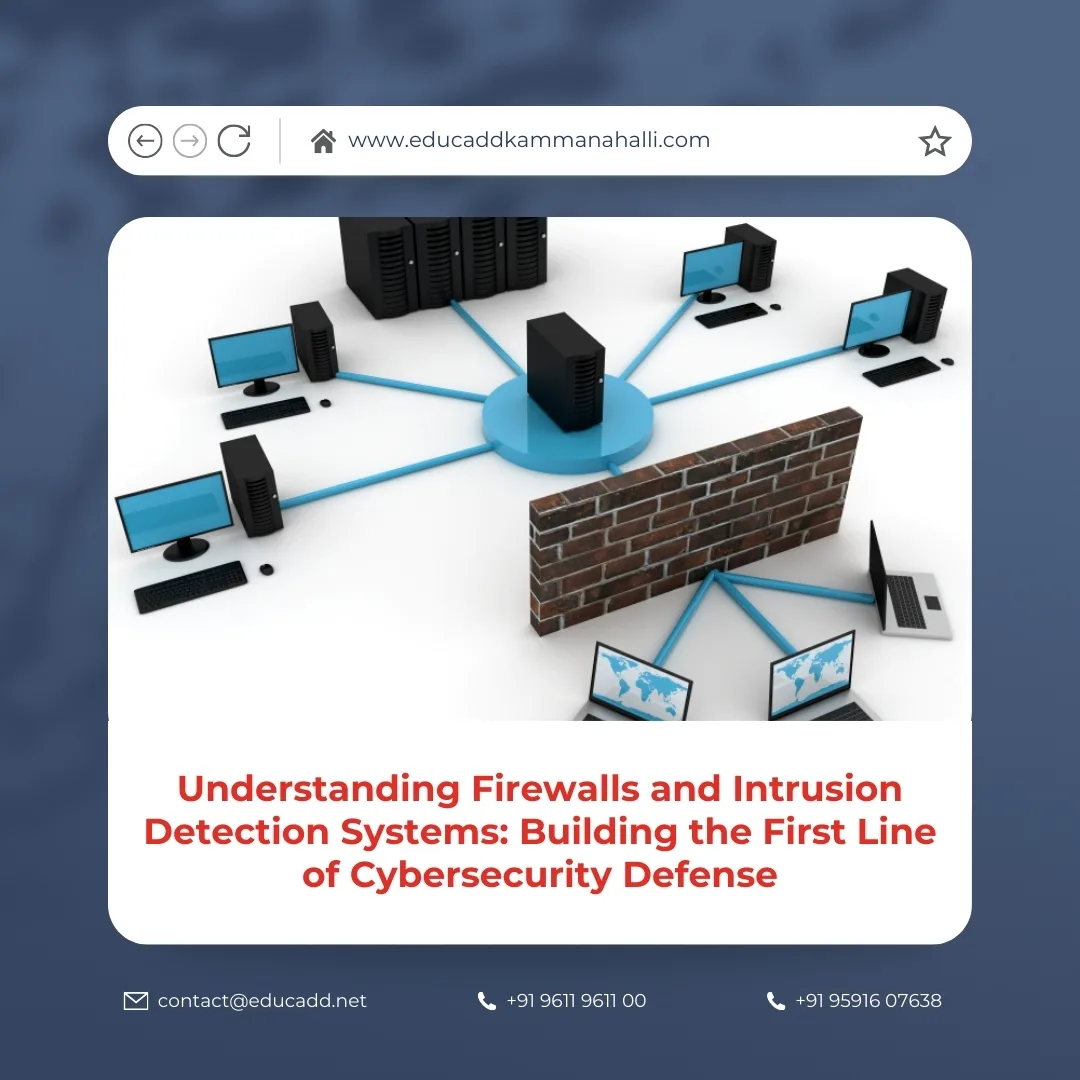
Firewall and Intrusion Detection
Understanding Firewall and Intrusion Detection and intrusion detection systems is essential for IT professionals, cybersecurity specialists, and organizations that want to maintain a secure digital environment. By learning how these technologies operate and how they complement each other, businesses can strengthen their cybersecurity strategies and reduce the risk of costly cyber incidents.
The Growing Importance of Network Security
The modern digital ecosystem connects millions of devices, users, and systems across the globe. While this connectivity improves communication and productivity, it also increases exposure to cyber threats. Attackers constantly search for vulnerabilities in networks to exploit for financial gain, data theft, or system disruption.
Organizations today face a wide range of cyber threats, including malware attacks, phishing campaigns, ransomware, and distributed denial-of-service attacks. These attacks often target weak network security controls. When organizations fail to protect their networks properly, attackers gain easy access to valuable information such as financial data, customer records, and confidential business documents.
Strong network security practices reduce these risks and help organizations maintain operational continuity. Businesses must ensure that their internal systems remain protected from unauthorized access. Firewalls and intrusion detection systems play a central role in achieving this goal by continuously monitoring network activity and preventing suspicious connections from reaching critical systems.
Without effective security tools, even a small vulnerability can lead to significant financial loss, reputational damage, and legal consequences. Therefore, companies must implement reliable security technologies that defend their digital assets.
What Is a Firewall?
A firewall is a network security device or software that monitors and controls incoming and outgoing network traffic. It acts as a protective barrier between trusted internal networks and untrusted external networks such as the internet. The firewall follows predefined security rules to determine whether a specific data packet should be allowed or blocked.
Organizations deploy firewalls at strategic points within their network infrastructure. These devices analyze traffic based on rules defined by network administrators. When a packet meets the approved criteria, the firewall allows it to pass through. However, if the packet violates security rules or appears suspicious, the firewall blocks the connection.
Firewalls help organizations prevent unauthorized users from accessing their internal systems. They also protect networks from various cyber threats by filtering harmful traffic before it enters the system. As a result, firewalls serve as the first line of defense in most cybersecurity architectures.
Modern networks rely heavily on firewalls because they provide centralized control over network traffic. Administrators can define specific rules that regulate which services, ports, or protocols are allowed to communicate with internal systems. This approach helps reduce the attack surface and strengthens network protection.
Types of Firewalls Used in Network Security
Different types of Firewall and Intrusion Detection exist to address various security needs. Each type provides a unique level of protection and operates using specific traffic-filtering methods.
Packet-filtering firewalls represent the most basic type of firewall technology. These firewalls examine data packets based on predefined rules such as source address, destination address, port number, and protocol type. When a packet matches an allowed rule, the firewall forwards it to the destination. Otherwise, it blocks the traffic.
Stateful inspection firewalls provide a more advanced approach. Instead of analyzing individual packets in isolation, they monitor the state of active network connections. By understanding whether a packet belongs to a legitimate session, these firewalls offer stronger protection against unauthorized traffic.
Proxy firewalls act as intermediaries between users and external networks. Instead of allowing direct communication between internal devices and external servers, proxy firewalls process requests on behalf of users. This method hides internal network details and improves security.
Next-generation firewalls integrate advanced security features such as deep packet inspection, intrusion prevention, and application-level monitoring. These firewalls provide comprehensive protection against sophisticated cyber threats.
How Firewalls Protect Network Infrastructure
Firewalls protect network infrastructure by enforcing strict access control policies. These policies determine which types of network traffic are allowed to pass through the system and which ones should be blocked. By regulating traffic flow, firewalls reduce the chances of unauthorized access.
When a user attempts to access a network resource, the firewall examines the request and compares it against defined security rules. If the request meets the established criteria, the firewall allows the communication to proceed. If the request violates the rules, the firewall denies the connection and logs the attempt.
Firewalls also protect systems from malicious software that spreads through network connections. Many cyber attacks attempt to exploit open ports or vulnerable services. By blocking unnecessary ports and restricting suspicious communication, firewalls help prevent such attacks from succeeding.
Another important role of firewalls involves monitoring network traffic patterns. Administrators can review firewall logs to identify unusual activities or attempted intrusions. This visibility enables organizations to respond quickly to potential threats.
Introduction to Intrusion Detection Systems
An intrusion detection system is a security technology designed to monitor network or system activity for signs of malicious behavior. Unlike firewalls, which focus on controlling traffic, intrusion detection systems analyze data patterns to detect suspicious activities that may indicate a cyber attack.
These systems continuously inspect network packets, user behavior, and system logs to identify potential threats. When the system detects unusual activity, it generates alerts that notify administrators about the possible security breach.
Intrusion detection systems help organizations identify attacks that bypass traditional security controls. Even when malicious traffic successfully enters the network, these systems can recognize abnormal patterns and alert security teams.
By providing real-time visibility into network activity, intrusion detection systems enable faster incident response. Security professionals can investigate alerts, identify the root cause of the threat, and implement corrective actions before significant damage occurs.
Types of Intrusion Detection Systems
Intrusion detection systems operate in different ways depending on how they monitor network activity. The two primary types include network-based intrusion detection systems and host-based intrusion detection systems.
Network-based intrusion detection systems analyze traffic flowing through the entire network. These systems monitor packets traveling across network segments and inspect them for suspicious patterns or known attack signatures. Because they observe large amounts of traffic, they provide broad visibility into network activity.
Host-based intrusion detection systems operate directly on individual computers or servers. These systems monitor system logs, file changes, and application behavior to detect unauthorized activities. They provide deeper insights into the behavior of specific systems.
Another classification includes signature-based detection and anomaly-based detection. Signature-based detection compares network activity against a database of known attack patterns. Anomaly-based detection identifies unusual behavior that deviates from normal network activity.
Both approaches contribute to effective cybersecurity monitoring.
How Intrusion Detection Systems Identify Threats
Intrusion detection systems rely on advanced monitoring techniques to identify potential security threats. These systems analyze network traffic patterns, user activity, and system behavior to detect anomalies.
Signature-based detection works by comparing observed activity with known attack signatures stored in a database. When the system identifies a match, it immediately triggers an alert. This approach works effectively against previously identified threats.
Anomaly-based detection uses behavioral analysis to detect unusual activities. The system first learns what normal network behavior looks like. After establishing a baseline, it identifies deviations that may indicate malicious actions.
For example, if a system suddenly begins sending large amounts of data to an unknown external server, the intrusion detection system may flag the activity as suspicious. Security teams can then investigate the event and determine whether it represents a real attack.
Through continuous monitoring and analysis, intrusion detection systems help organizations detect cyber threats early.
Differences Between Firewall and Intrusion Detection
Although both technologies contribute to cybersecurity, firewalls and intrusion detection systems perform different roles within a network. Firewalls focus primarily on preventing unauthorized access by filtering network traffic according to defined rules.
Intrusion detection systems, on the other hand, focus on monitoring and analyzing activity within the network. Instead of blocking traffic directly, they identify suspicious behavior and alert administrators.
Another key difference involves their placement within network architecture. Firewalls typically operate at network boundaries where internal networks connect to external networks. Intrusion detection systems may operate at multiple points within the network to observe internal traffic.
Despite these differences, both technologies complement each other. Firewalls prevent many attacks from entering the network, while intrusion detection systems detect threats that manage to bypass firewall defenses.
Organizations achieve stronger protection when they combine these technologies within a layered security strategy.
Integration of Firewalls and Intrusion Detection Systems
Organizations strengthen their cybersecurity posture by integrating firewalls and intrusion detection systems into a unified security framework. This integration allows both technologies to share information and respond more effectively to potential threats.
When an intrusion detection system identifies suspicious activity, it can notify the firewall to block the offending traffic source. This automated response prevents the attacker from continuing the attack.
Similarly, firewall logs provide valuable data that intrusion detection systems can analyze for patterns. By correlating information from multiple sources, security teams gain deeper insights into network activity.
Many modern security platforms combine firewall and intrusion detection capabilities into integrated solutions. These platforms simplify management while improving threat detection accuracy.
Through integration, organizations build stronger defensive layers that protect networks from evolving cyber threats.
Benefits of Implementing Firewalls and Intrusion Detection Systems
Organizations that implement firewalls and intrusion detection systems gain several important cybersecurity benefits. These technologies help reduce the risk of unauthorized access and protect sensitive information from cyber criminals.
One major advantage involves improved network visibility. Administrators gain detailed insights into network traffic patterns and user behavior. This information helps security teams identify vulnerabilities and respond to threats quickly.
Another benefit involves regulatory compliance. Many industries require organizations to implement security controls that protect customer data. Firewalls and intrusion detection systems help businesses meet these regulatory requirements.
Additionally, these technologies help maintain business continuity. Cyber attacks can disrupt operations and cause financial losses. By detecting and preventing threats early, organizations reduce downtime and protect their reputation.
Overall, these security tools provide essential protection in today’s digital environment.
Challenges in Managing Network Security Systems
Although firewalls and intrusion detection systems provide valuable protection, managing them effectively requires careful planning and expertise. Organizations must configure security rules properly to avoid blocking legitimate traffic while still preventing malicious activity.
One challenge involves handling false positives. Intrusion detection systems sometimes flag normal network activity as suspicious. When this occurs frequently, administrators may become overwhelmed by alerts and miss genuine threats.
Another challenge involves keeping security systems updated. Cyber attackers constantly develop new techniques, so security tools must receive regular updates to remain effective.
Network complexity also creates management difficulties. Large organizations often operate multiple networks, cloud services, and remote access systems. Coordinating security policies across these environments requires strong planning and skilled personnel.
Despite these challenges, organizations can overcome these obstacles by implementing proper security management practices.
Best Practices for Effective Firewall and Intrusion Detection Deployment
Organizations should follow several best practices to maximize the effectiveness of firewalls and intrusion detection systems. Proper configuration and maintenance significantly improve security performance.
Security teams should start by defining clear access control policies. These policies should specify which services, applications, and users can access specific network resources. Limiting unnecessary access reduces potential attack vectors.
Regular monitoring represents another critical practice. Administrators should review firewall logs and intrusion detection alerts frequently to identify unusual patterns. Early detection allows faster incident response.
Updating security signatures and software versions also remains essential. Threat intelligence databases must remain current so that systems can detect emerging attack methods.
Finally, organizations should conduct periodic security audits and penetration testing. These assessments help identify weaknesses and improve overall network defense strategies.
The Future of Network Security Technologies
As cyber threats become more sophisticated, network security technologies continue to evolve. Modern cybersecurity solutions increasingly incorporate artificial intelligence and machine learning to improve threat detection accuracy.
Advanced analytics allow security systems to identify subtle behavioral patterns that traditional detection methods might miss. These technologies help organizations detect unknown threats more quickly.
Cloud computing and remote work environments also influence security strategies. Many organizations now deploy cloud-based firewalls and intrusion detection solutions to protect distributed networks.
Automation will likely play a larger role in future security systems. Automated responses can isolate compromised devices, block malicious traffic, and alert administrators instantly.
As digital transformation continues, organizations must adopt advanced security technologies to stay ahead of cyber attackers.
Conclusion
In an era where cyber threats continue to grow in scale and sophistication, organizations must adopt strong security strategies to protect their digital assets. Firewall and Intrusion Detection systems serve as essential components of modern cybersecurity infrastructure. Firewalls act as the first protective barrier by filtering network traffic and preventing unauthorized access to internal systems. Intrusion detection systems complement this protection by continuously monitoring network activity and identifying suspicious behavior.
Together, these technologies create a layered defense that strengthens network security and reduces the risk of cyber attacks. By understanding firewalls and intrusion detection systems and implementing them effectively, organizations can safeguard sensitive information, maintain operational stability, and build trust with customers and partners.
As technology continues to evolve, cybersecurity practices must also adapt to address emerging threats. Businesses that invest in robust security systems and proactive monitoring will be better prepared to defend their networks and maintain a secure digital environment.

