
Transform Your Space & Career: The Ultimate Guide to Interior Design Classes Near Me
Interior design is no longer just about decorating a room—it is about creating functional, aesthetic, and emotionally engaging spaces. Whether you are someone passionate about design or looking to build a rewarding career, enrolling in Interior Design Classes Near Me can be a powerful first step. With rapid urban development and evolving lifestyle preferences, the demand for skilled interior designers is growing significantly. As a result, more people are actively searching for the right training programs that combine creativity with practical knowledge.
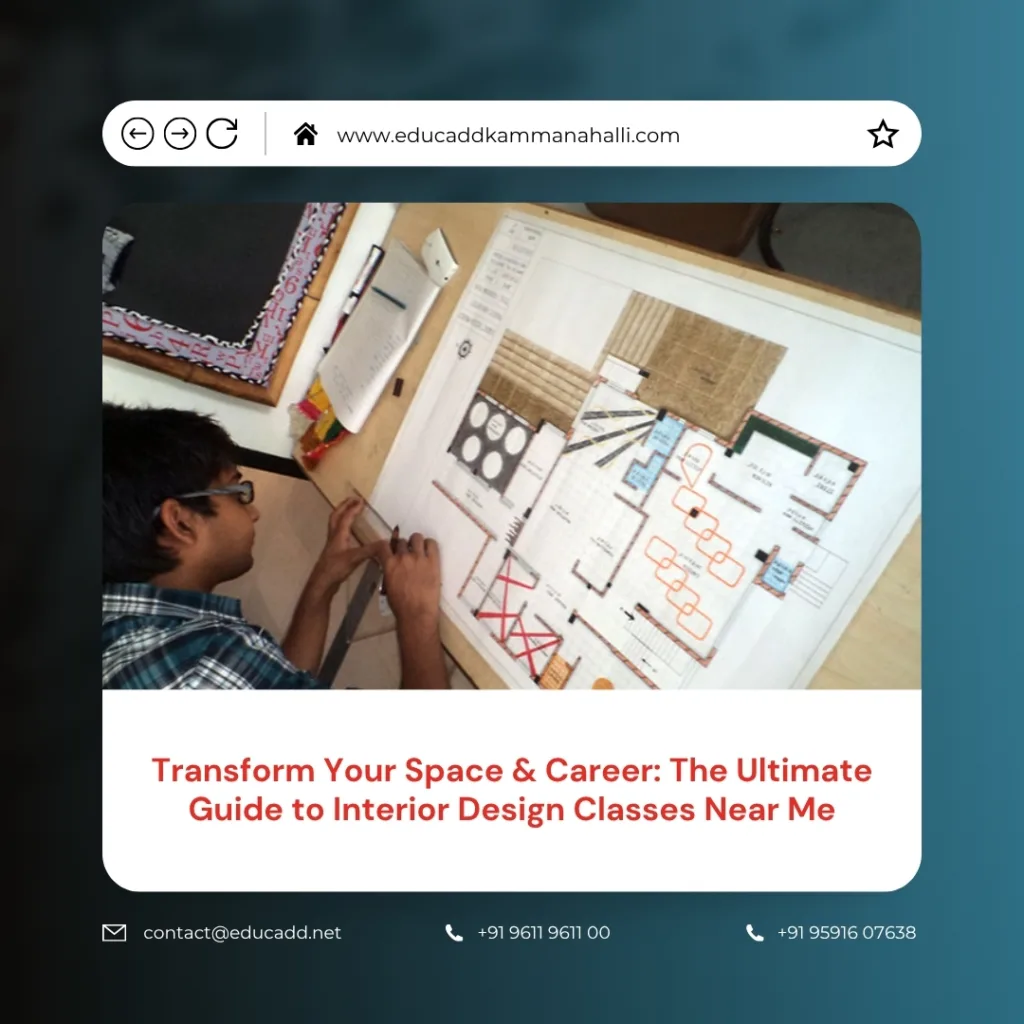
Interior Design Classes Near Me
In today’s competitive environment, choosing the right course is not simply about proximity. It is about quality education, industry exposure, and skill development. This comprehensive guide will help you understand everything you need to know before enrolling in Interior Design Classes Near Me—from course structure to career opportunities—while ensuring you make a confident and informed decision.
1. Why Interior Design Is a Smart Career Choice
Interior design has emerged as one of the most dynamic and rewarding career paths. With increasing construction projects and renovation trends, the need for skilled designers continues to rise. This field allows individuals to blend creativity with technical expertise, making it ideal for those who enjoy both art and functionality.
Moreover, interior designers are not limited to residential spaces. They also work on commercial projects such as offices, retail outlets, hotels, and restaurants. This diversity ensures continuous learning and varied experiences. Additionally, freelance opportunities make it possible to earn independently, offering flexibility and financial growth.
2. Understanding Interior Design Classes Near You
Interior design classes near you are designed to provide hands-on training along with theoretical knowledge. These programs typically cover topics such as space planning, color theory, furniture design, lighting concepts, and material selection.
Many institutes focus on practical learning through real-world projects. This ensures that students gain confidence while working on actual design challenges. Furthermore, proximity to your location helps in maintaining consistency in attendance and allows better interaction with instructors.
3. Key Skills You Will Learn in Interior Design Courses
Enrolling in a professional interior design course equips you with essential skills that are highly valued in the industry. These skills not only enhance creativity but also improve problem-solving abilities.
Some of the most important skills include:
- Space planning and layout optimization
- Color coordination and material selection
In addition, you will develop technical skills such as drafting, 3D visualization, and software proficiency. These abilities are crucial for presenting ideas effectively to clients and executing projects successfully.
4. Types of Interior Design Courses Available
When searching for interior design classes near you, you will find a variety of course options tailored to different needs. These include short-term certificate courses, diploma programs, and advanced professional certifications.
Short-term courses are ideal for beginners who want to explore the field quickly. Diploma programs offer in-depth knowledge and are suitable for those seeking a career. Advanced courses, on the other hand, focus on specialization and industry-level expertise.
5. Importance of Practical Training in Interior Design
Interior design is a practical field where theoretical knowledge alone is not sufficient. Hands-on experience plays a critical role in shaping your skills and confidence. This is why choosing classes that emphasize practical training is essential.
Institutes often include live projects, site visits, and workshops as part of their curriculum. These activities help students understand real-world challenges and learn how to handle client requirements effectively. As a result, students become job-ready by the time they complete their course.
6. Software Tools Taught in Interior Design Classes
Modern interior design relies heavily on technology. Most courses include training on industry-standard software tools that help designers create accurate and visually appealing designs.
Common tools include AutoCAD for drafting, SketchUp for 3D modeling, and rendering software for realistic presentations. Learning these tools significantly enhances your employability and allows you to work on professional-level projects with ease.
7. How to Choose the Best Interior Design Classes Near You
Selecting the right institute is one of the most important decisions in your learning journey. While proximity is convenient, several other factors must be considered to ensure quality education.
Look for institutes with experienced faculty, updated curriculum, and strong placement support. Additionally, checking student reviews and visiting the campus can give you a better understanding of the learning environment. A well-structured course can make a significant difference in your career growth.
8. Course Duration and Flexibility Options
Interior design courses are available in various durations to suit different schedules. Some programs last a few months, while others extend up to a year or more.
Flexible learning options such as weekend batches and evening classes are often offered for working professionals. This makes it easier for individuals to upgrade their skills without disrupting their current commitments.
9. Career Opportunities After Completing Interior Design Classes
Completing interior design classes opens up a wide range of career opportunities. You can work as a residential interior designer, commercial designer, space planner, or even a design consultant.
Some popular career paths include:
- Freelance interior designer
- Interior design consultant
Additionally, many professionals choose to start their own design firms. With the right skills and experience, the growth potential in this field is immense.
10. Salary Expectations in Interior Design
The earning potential in interior design varies based on experience, skills, and location. Beginners may start with a moderate salary, but growth is rapid with experience and portfolio development.
Freelancers often have the advantage of setting their own pricing, which can lead to higher earnings over time. Moreover, working on high-end projects or commercial spaces significantly increases income opportunities.
11. Importance of Building a Strong Portfolio
A strong portfolio is essential for showcasing your skills and attracting clients or employers. It reflects your creativity, design sense, and ability to execute ideas effectively.
During your course, you will work on multiple projects that can be included in your portfolio. Make sure to present your work professionally, as it plays a crucial role in career advancement.
12. Industry Trends in Interior Design
Interior design is constantly evolving with new trends and innovations. Sustainable design, smart homes, and minimalistic interiors are currently gaining popularity.
Staying updated with industry trends helps designers remain competitive. Many interior design classes include trend analysis as part of their curriculum, ensuring students are prepared for modern design challenges.
13. Benefits of Learning Interior Design Locally
Choosing interior design classes near you offers several advantages. It saves travel time, allows better networking, and provides access to local industry opportunities.
Local institutes often have connections with nearby businesses and clients. This can help students gain internships and project experience, which is essential for building a successful career.
14. Common Challenges and How to Overcome Them
Like any creative field, interior design comes with its own set of challenges. Managing client expectations, working within budgets, and meeting deadlines can sometimes be difficult.
However, proper training and practical exposure help in overcoming these challenges. By learning effective communication and project management skills, you can handle complex situations with confidence and professionalism.
Conclusion
Interior design is a field that offers creativity, flexibility, and strong career growth. Enrolling in interior design classes near you is a smart step toward building a successful future in this industry. With the right training, practical exposure, and dedication, you can transform your passion into a rewarding profession.
As you explore different options, focus on quality education, experienced mentors, and hands-on learning opportunities. The journey may require effort and commitment, but the results are highly fulfilling. Whether you aim to work with top firms or start your own venture, the right Interior Design Classes Near Me can set the foundation for long-term success.

