
Is Interior Design Still in Demand in 2025? Discover Why This Creative Industry Is Growing Faster Than Ever
Interior Design Demand 2025 has changed dramatically over the last few years. In 2025, people no longer see interiors as simple decoration. Instead, they view design as an essential part of comfort, productivity, lifestyle, and mental well-being. As homes become smarter and businesses focus more on customer experience, the demand for skilled interior designers continues to rise across the world.
Today, modern consumers want spaces that reflect personality, improve functionality, and create a strong visual impact. Because of this shift, interior design professionals are becoming highly valuable in residential, commercial, retail, hospitality, and corporate sectors. At the same time, real estate growth, urban development, and digital design tools are opening new career opportunities for aspiring designers.
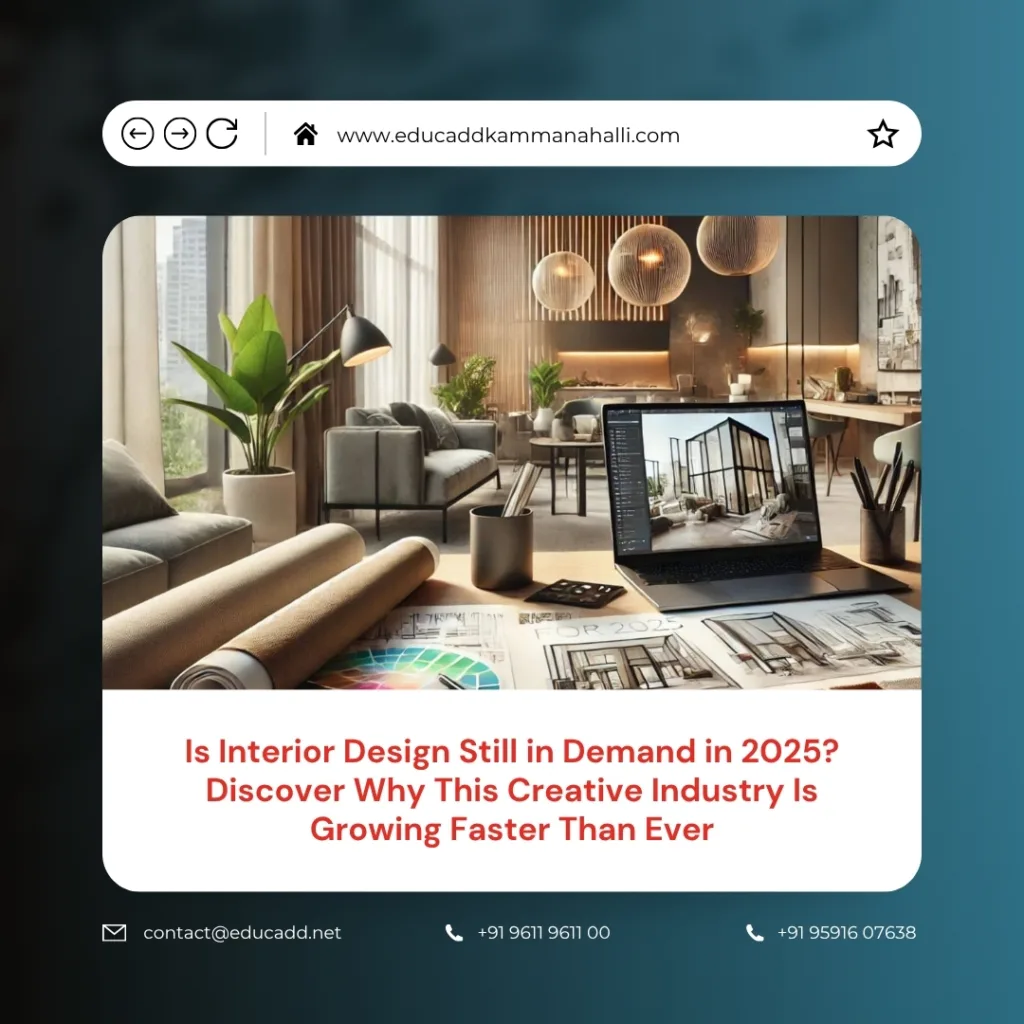
Interior Design Demand 2025
Many students and professionals now ask one important question: Is Interior Design Demand 2025? The simple answer is yes. In fact, the industry is expanding rapidly because people are investing more in personalized and sustainable spaces than ever before. From luxury apartments to compact urban homes, every property owner wants interiors that combine beauty with practicality.
This blog explores why interior design remains one of the most promising industries in 2025. It also explains the latest trends, career opportunities, technological advancements, and future growth prospects that continue to drive demand worldwide.
The Interior Design Industry Is Experiencing Rapid Growth
The interior design industry is growing at an impressive pace in 2025. Across residential and commercial sectors, clients are investing heavily in professional design services. This growth is happening because people now understand the importance of well-designed spaces in everyday life.
Modern homeowners want stylish homes that maximize comfort and functionality. At the same time, companies want attractive office spaces that improve employee productivity and create better customer experiences. As a result, interior designers are becoming essential for both small and large projects.
Additionally, urbanization continues to fuel demand. As cities expand, apartments and compact living spaces require smart interior planning. Designers help people utilize every inch efficiently while maintaining aesthetics and comfort.
The increasing popularity of home renovation projects has also contributed to industry growth. Many homeowners now prefer upgrading existing interiors instead of purchasing new properties. Therefore, interior designers play a major role in transforming old spaces into modern environments.
Homeowners Are Investing More in Personalized Spaces
In 2025, personalization has become one of the strongest drivers of interior design demand. People no longer want generic interiors copied from catalogs. Instead, they prefer customized spaces that reflect their personality, lifestyle, and preferences.
Modern homeowners are choosing personalized color palettes, custom furniture, unique lighting concepts, and innovative storage solutions. Because of this trend, professional designers are needed to create balanced and visually appealing interiors.
Several factors are influencing this shift toward personalization:
- People spend more time at home because of hybrid work culture.
- Social media inspires homeowners to create aesthetically pleasing interiors.
Furthermore, clients now expect interiors that support emotional well-being and relaxation. Designers carefully select textures, layouts, and lighting to create calming and functional environments. Consequently, interior design services continue to experience high demand in urban and suburban markets.
Commercial Spaces Need Better Interior Experiences
Interior Design Demand 2025 that directly impacts customer engagement and employee satisfaction. Therefore, companies across industries are investing in high-quality commercial interiors.
Retail stores now focus on immersive shopping experiences. Restaurants prioritize ambiance to attract customers. Corporate offices require modern layouts that encourage collaboration and creativity. Because of these changes, commercial interior designers are highly sought after.
Moreover, coworking spaces have become increasingly popular. These environments require flexible and innovative designs that accommodate different work styles. Interior designers help create productive and visually appealing workplaces that support modern business operations.
Hospitality businesses also continue to invest in luxury interiors. Hotels, resorts, cafes, and event venues want memorable spaces that improve customer experiences and strengthen brand identity. As competition increases, businesses rely on interior design to stand out in crowded markets.
Technology Is Transforming Interior Design Careers
Technology has completely changed the interior design industry in 2025. Advanced software and digital tools now allow designers to create highly detailed concepts before actual construction begins.
Programs like 3D visualization software, virtual reality, and augmented reality help clients understand design concepts more clearly. This improves communication and reduces costly mistakes during project execution.
Additionally, artificial intelligence is helping designers analyze layouts, lighting, and furniture placement more efficiently. Smart home integration has also created new opportunities for designers who understand automation technologies.
Interior designers now use technology for several purposes:
- Creating realistic 3D walkthroughs for clients.
- Planning smart homes with automated lighting and climate systems.
Because of these advancements, tech-savvy interior designers have strong career advantages. Companies prefer professionals who can combine creativity with modern digital skills.
Sustainable Interior Design Is Driving New Opportunities
Sustainability has become one of the most important trends in the design industry. In 2025, clients are increasingly choosing eco-friendly interiors that reduce environmental impact and improve energy efficiency.
Interior designers now focus on sustainable materials, energy-saving lighting, recycled furniture, and natural ventilation systems. Many homeowners also prefer organic textures and eco-conscious décor elements that support healthier living environments.
Green building concepts have further increased the demand for sustainable interior designers. Builders and developers actively seek professionals who understand environmentally responsible design practices.
Additionally, governments and organizations are encouraging sustainable construction through regulations and incentives. Consequently, interior designers with expertise in eco-friendly solutions are experiencing strong career growth.
The growing awareness of climate change has made sustainability more than a trend. It is now a long-term industry requirement that continues to shape interior design demand worldwide.
Social Media Has Increased Awareness About Interior Design
Social media platforms have significantly boosted the popularity of Interior Design Demand 2025, millions of users explore home décor inspiration daily through platforms like Instagram, Pinterest, and YouTube.
This digital exposure has changed consumer expectations. People now notice design details more carefully and actively seek professional help to recreate stylish interiors in their own spaces.
Influencers, design creators, and home renovation content have also inspired younger audiences to explore interior design careers. As a result, the industry is attracting more students and entrepreneurs than ever before.
Additionally, social media has created marketing opportunities for interior designers. Professionals can now showcase portfolios, connect with clients, and build strong personal brands online. This visibility has increased industry competition while simultaneously expanding demand for creative talent.
Interior Design Offers Strong Career Opportunities
Interior design continues to provide excellent career opportunities in 2025. Professionals can work independently, join design firms, collaborate with architects, or specialize in niche sectors.
Residential interior design remains highly popular because homeowners constantly seek renovation and decoration services. However, commercial design sectors also offer significant earning potential.
Some popular interior design career paths include:
- Residential Interior Designer
- Commercial Space Designer
- Furniture Designer
- Exhibition Designer
- Lighting Consultant
- Kitchen and Bath Designer
- Sustainable Design Specialist
Freelancing has also become a major trend. Many designers now operate independent studios and work with clients globally through online platforms. This flexibility attracts creative professionals who prefer entrepreneurship over traditional employment.
Because the industry supports multiple career options, interior design remains a stable and rewarding profession for skilled individuals.
Real Estate Development Continues to Boost Demand
The rapid growth of real estate directly impacts interior design demand. In 2025, developers are constructing residential apartments, villas, office buildings, retail outlets, and mixed-use properties at a large scale.
Every property requires professional interior planning to improve functionality and market value. Developers understand that attractive interiors help properties sell faster and command higher prices.
Luxury housing projects especially depend on high-end interior concepts to attract buyers. Buyers now expect premium finishes, modular kitchens, stylish lighting, and efficient layouts as standard features.
Additionally, property staging has become a major industry trend. Designers create visually appealing spaces that help buyers emotionally connect with properties during sales presentations. This has created another profitable segment within the interior design industry.
Hybrid Work Culture Has Changed Home Design Priorities
The rise of remote and hybrid work has permanently changed interior design trends in 2025. Homes are no longer just living spaces. They now function as offices, study areas, entertainment zones, and wellness environments.
As a result, homeowners increasingly seek professional guidance to create multifunctional interiors. Designers help clients optimize layouts for productivity while maintaining comfort and aesthetics.
Dedicated home office spaces have become particularly important. Clients want ergonomic furniture, proper lighting, acoustic solutions, and organized storage systems that support long working hours.
Furthermore, flexible room designs are becoming more popular. Interior designers now create adaptable spaces that can serve multiple purposes throughout the day. This evolving lifestyle trend continues to generate strong demand for innovative design solutions.
Luxury Interior Design Is Expanding Rapidly
Luxury interior design remains one of the fastest-growing segments in 2025. High-income consumers increasingly invest in premium interiors that showcase sophistication, exclusivity, and comfort.
Luxury design projects often include custom furniture, imported materials, smart technology integration, artistic décor, and advanced lighting systems. Because these projects require specialized expertise, experienced designers can earn substantial income.
Additionally, luxury hospitality projects continue to grow worldwide. Premium hotels, resorts, and private villas demand unique interiors that deliver unforgettable experiences for guests.
Clients in this segment prioritize quality and originality over cost. Therefore, luxury designers focus heavily on craftsmanship, detail, and innovation. As global wealth continues to rise, this sector is expected to remain highly profitable for interior professionals.
Educational Institutes Are Expanding Interior Design Programs
The growing demand for interior designers has encouraged educational institutions to expand design-related programs. In 2025, many colleges and training centers offer specialized interior design courses that focus on creativity, technical skills, and industry software.
Students now recognize interior design as a professional career with strong earning potential and creative freedom. Consequently, enrollment in design courses continues to increase every year.
Modern interior design education includes practical learning experiences, live projects, and software training. Students learn space planning, color theory, furniture design, lighting concepts, and sustainable design practices.
Institutes also collaborate with industry professionals to provide internships and placement opportunities. This practical exposure helps students build confidence and prepare for real-world challenges.
As awareness about the industry grows, educational investments continue to strengthen the future of interior design careers.
Small Spaces Require Smarter Design Solutions
In densely populated cities, compact homes and apartments have become increasingly common. Therefore, smart space utilization is now one of the most important aspects of modern interior design.
Interior designers help clients maximize functionality without making spaces feel crowded. Through strategic layouts, modular furniture, and efficient storage systems, designers create comfortable living environments even in smaller properties.
Minimalist design trends have also influenced modern interiors. Many homeowners now prefer clutter-free spaces that promote calmness and simplicity. Designers use clean lines, neutral tones, and multifunctional furniture to achieve this effect.
Additionally, compact commercial spaces require intelligent planning to improve efficiency and customer experience. Consequently, the need for creative space optimization continues to increase across residential and commercial sectors.
Clients Want Professional Expertise Instead of DIY Solutions
Although DIY home décor content is widely available online, most clients still prefer professional interior designers for major projects. In 2025, people understand that professional expertise saves time, reduces mistakes, and improves overall results.
Interior designers bring technical knowledge, creativity, and project management skills that DIY solutions often lack. They understand construction materials, lighting balance, ergonomics, budgeting, and spatial planning more effectively.
Furthermore, professionals help clients avoid costly design errors. Poor layouts, incorrect measurements, and mismatched materials can create long-term problems. Designers ensure every element works together harmoniously.
As project complexity increases, clients value professional guidance more than ever. Therefore, experienced interior designers continue to enjoy strong market demand despite the rise of online inspiration platforms.
The Future of Interior Design Looks Extremely Promising
The future of interior design appears highly positive beyond 2025. Emerging technologies, changing lifestyles, and growing urbanization will continue driving industry expansion in the coming years.
Smart homes will become more advanced, requiring designers who understand automation and connected living systems. Sustainable construction will also remain a major priority worldwide.
Additionally, younger generations increasingly value aesthetics, wellness, and personalization. This mindset will continue influencing purchasing decisions and lifestyle preferences, creating long-term opportunities for interior professionals.
Global travel and cultural influences are also shaping modern interiors. Clients now seek unique combinations of global trends with local design elements. Designers who adapt to evolving consumer preferences will remain highly successful.
Because interior design combines creativity, functionality, and innovation, the profession is expected to remain relevant and profitable for decades to come.
Conclusion
Interior Design Demand 2025 is absolutely still in demand in 2025, and the industry continues to grow stronger every year. Modern consumers no longer see interiors as optional luxuries. Instead, they recognize the value of well-designed spaces in improving comfort, productivity, and emotional well-being.
Several factors are driving this demand, including urbanization, real estate development, sustainability trends, hybrid work culture, and technological advancements. At the same time, social media has increased awareness about interior aesthetics, encouraging more people to invest in professional design services.
The industry also offers diverse career opportunities across residential, commercial, luxury, hospitality, and sustainable design sectors. Designers who combine creativity with technical knowledge can build rewarding and financially stable careers.
As lifestyles continue evolving, the importance of functional and beautiful interiors will only increase. Therefore, interior design remains one of the most exciting, future-ready, and high-demand industries in 2025 and beyond.

