
Beyond Aesthetics: How Interior Design Significantly Increases Property Value
Interior spaces shape how people feel, think, and decide. When buyers walk into a property, they form opinions within seconds. Clean lines, balanced lighting, and thoughtful layouts create emotional connections that often translate into higher offers. While location and size remain important, interior design has become a powerful factor in determining market value. In competitive real estate markets, well-designed interiors attract more interest, reduce time on market, and justify premium pricing. This blog explores how Interior Design Increases Property Value through strategy, psychology, and smart investment choices.
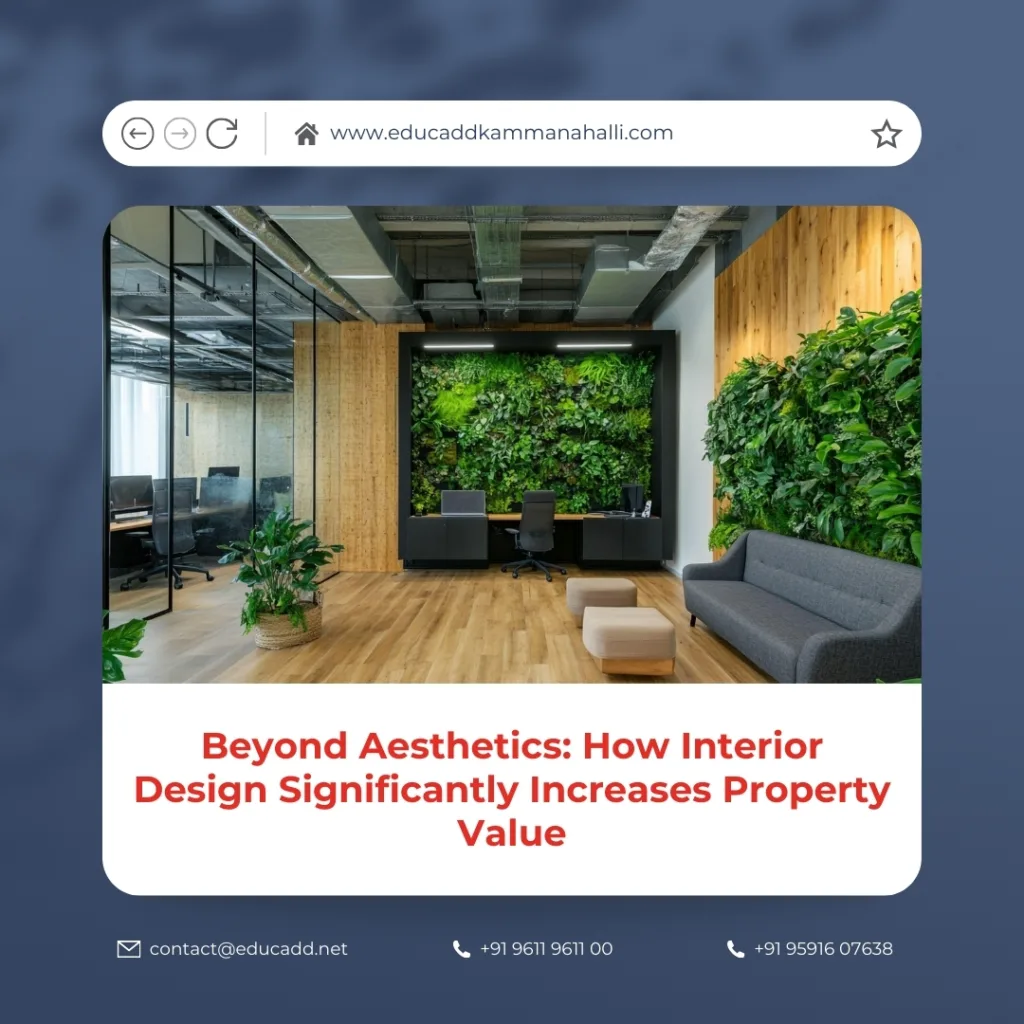
Interior Design Increases Property Value
1. First Impressions Create Immediate Financial Impact
First impressions strongly influence buying decisions. When potential buyers enter a property, they instantly evaluate its atmosphere. A well-designed entryway, coordinated color palette, and uncluttered layout create a welcoming experience. As a result, buyers perceive the home as well maintained and move-in ready.
Interior Design Increases Property Value because it reduces hesitation. Buyers feel confident when spaces look polished and functional. Conversely, poorly designed interiors create doubt. Even small flaws appear larger when the design lacks harmony. Therefore, investing in professional styling and thoughtful presentation directly improves perceived value.
Moreover, strategic staging highlights the property’s strengths. Designers position furniture to enhance flow and maximize natural light. They also create focal points that guide attention toward architectural features. These elements work together to increase buyer interest and encourage competitive offers.
2. Space Optimization Enhances Usability and Appeal
Buyers prioritize functional space. Interior design transforms awkward layouts into practical environments. Through careful planning, designers redefine unused corners and improve circulation paths. This approach increases usable square footage without structural changes.
Open floor plans continue to attract modern buyers. Designers remove visual barriers and create seamless transitions between living areas. Consequently, the property feels larger and more adaptable. Interior design adds property value by improving how spaces function in daily life.
Storage solutions also influence value. Built-in shelving, modular wardrobes, and concealed cabinets reduce clutter. These features demonstrate efficiency and modern living standards. When buyers see intelligent organization, they perceive higher quality and long-term convenience.
3. Strategic Lighting Elevates Perceived Luxury
Lighting plays a vital role in shaping ambiance. Natural light increases positivity and comfort. Designers maximize daylight by selecting sheer window treatments and reflective surfaces. As a result, rooms appear brighter and more spacious.
Layered lighting further enhances appeal. Ambient, task, and accent lighting work together to create depth. For example, pendant lights over dining tables add character, while recessed lighting maintains a clean look. Interior design adds property value when lighting enhances both function and aesthetics.
Additionally, energy-efficient fixtures attract environmentally conscious buyers. LED systems reduce electricity consumption and maintenance costs. Therefore, proper lighting not only improves appearance but also increases long-term value.
4. Quality Materials Signal Long-Term Investment
Materials communicate durability and sophistication. Hardwood flooring, natural stone countertops, and high-quality cabinetry create strong impressions. Buyers associate premium finishes with reduced future expenses. Consequently, properties with upgraded materials command higher prices.
Interior Design Increases Property Value by selecting materials that balance cost and impact. For instance, engineered wood flooring offers elegance and durability at a reasonable price. Quartz countertops provide luxury without excessive maintenance.
Furthermore, cohesive material choices strengthen visual continuity. When textures and finishes complement each other, the entire property feels professionally curated. This consistency builds trust and supports higher valuation.
5. Kitchen Design Drives Buyer Decisions
The kitchen often serves as the heart of a home. Buyers carefully evaluate its layout, storage, and appliances. A modern, well-designed kitchen significantly increases property appeal. Therefore, kitchen upgrades offer strong returns on investment.
Interior design adds property value by improving workflow. Designers apply the kitchen work triangle principle to ensure efficient movement between sink, stove, and refrigerator. They also integrate smart storage solutions that enhance organization.
Aesthetic improvements also matter. Neutral cabinetry, stylish backsplashes, and contemporary fixtures create timeless appeal. As a result, buyers perceive the property as updated and desirable. Even minor design improvements can dramatically influence final sale price.
6. Bathroom Upgrades Enhance Market Competitiveness
Bathrooms reflect hygiene, comfort, and modernity. Outdated bathrooms often discourage buyers. In contrast, clean and contemporary designs boost confidence. Interior design adds property value when bathrooms feel like private retreats.
Upgrades such as frameless glass showers, floating vanities, and modern tiles create spa-like environments. Designers also prioritize efficient layouts to maximize available space. Consequently, even small bathrooms feel functional and luxurious.
Water-saving fixtures further increase appeal. Buyers appreciate sustainable features that reduce utility costs. Therefore, thoughtful bathroom design enhances both aesthetics and long-term value.
7. Color Psychology Influences Buyer Emotions
Color shapes perception and mood. Neutral tones such as beige, grey, and soft white create calm environments. These shades allow buyers to visualize their own furniture and decor. Interior design adds property value by selecting colors that appeal to broad audiences.
Accent colors can add personality without overwhelming the space. Designers often use subtle contrasts to create depth and visual interest. For example, muted blues or greens evoke tranquility and balance.
Importantly, consistent color schemes unify the property. When transitions between rooms feel smooth, the entire home appears cohesive. This harmony strengthens emotional appeal and encourages positive purchasing decisions.
8. Smart Technology Integration Boosts Modern Appeal
Modern buyers expect technology integration. Smart thermostats, automated lighting, and security systems enhance convenience. Interior design adds property value by seamlessly incorporating these features into the aesthetic framework.
Designers conceal wiring and devices to maintain clean lines. As a result, technology complements rather than disrupts visual flow. Additionally, energy monitoring systems attract sustainability-focused buyers.
Smart home features increase market competitiveness. Properties with advanced technology often sell faster and at higher prices. Therefore, integrating technology through thoughtful design strengthens overall value.
9. Flooring Choices Shape Overall Impression
Flooring significantly impacts visual continuity. Consistent flooring across living spaces creates spaciousness. Designers carefully select materials that balance durability and style. Interior design adds property value when flooring enhances comfort and longevity.
Hardwood floors remain highly desirable. They offer timeless elegance and strong resale value. Alternatively, high-quality vinyl or laminate can replicate this look at lower cost. The key lies in professional installation and cohesive design.
Area rugs further define zones within open spaces. They add warmth and texture without permanent alterations. Consequently, flooring becomes both functional and decorative.
10. Furniture Layout Improves Flow and Comfort
Furniture placement affects how buyers experience space. Overcrowded rooms feel smaller than they are. Designers arrange furniture to create natural pathways and clear focal points. Interior design adds property value by improving spatial perception.
Proper scaling also matters. Oversized furniture overwhelms small rooms, while undersized pieces create imbalance. Professional design ensures proportionate arrangements that highlight room dimensions.
Moreover, multipurpose furniture increases functionality. Foldable desks, storage ottomans, and modular seating appeal to urban buyers. These features demonstrate adaptability and modern living standards.
11. Sustainability and Eco-Friendly Design Add Long-Term Value
Sustainable design continues to gain importance. Buyers increasingly seek environmentally responsible properties. Interior design adds property value by incorporating eco-friendly materials and energy-efficient systems.
Low-VOC paints improve indoor air quality. Bamboo flooring and recycled materials reduce environmental impact. Designers also select insulation solutions that enhance energy efficiency.
These choices reduce utility costs and support healthier living. Consequently, sustainable interiors attract a growing segment of environmentally conscious buyers. This trend strengthens long-term market value.
12. Custom Features Create Unique Selling Points
Unique elements differentiate properties in crowded markets. Custom shelving, feature walls, and artistic lighting create memorable impressions. Interior design adds property value when distinctive features enhance character without limiting appeal.
Designers carefully balance creativity and universality. For example, a statement wall with textured panels can serve as a focal point while remaining adaptable. Built-in entertainment units maximize storage and organization.
When buyers perceive individuality combined with practicality, they respond positively. Custom features often justify premium pricing and faster sales.
13. Maintenance and Durability Influence Appraisal
Appraisers consider condition and quality when determining property value. Well-maintained interiors signal responsible ownership. Interior design adds property value by selecting durable materials that resist wear.
Easy-to-clean surfaces, stain-resistant fabrics, and robust cabinetry extend lifespan. These choices reduce maintenance requirements and future expenses. As a result, buyers feel reassured about long-term performance.
Design also simplifies upkeep. Minimalist layouts reduce clutter and cleaning effort. Therefore, thoughtful interior planning supports higher appraisal outcomes.
14. Emotional Connection Drives Higher Offers
Real estate decisions often involve emotion. Buyers imagine their future lives within a property. Interior design adds property value by creating inviting environments that spark imagination.
Warm textures, balanced lighting, and comfortable layouts encourage connection. Designers craft spaces that feel personal yet versatile. Consequently, buyers see potential rather than limitations.
Emotional engagement often translates into competitive bidding. When multiple buyers feel attached, offers increase. Thus, interior design directly influences final sale price through psychological impact.
Conclusion
Interior design goes far beyond decoration. It shapes perception, enhances functionality, and strengthens emotional appeal. From optimized layouts and quality materials to sustainable features and smart technology, every design decision influences value. When professionals align aesthetics with practicality, properties become more desirable and competitive. Interior Design Increases Property Value by transforming ordinary spaces into experiences that buyers appreciate and trust. In today’s market, strategic design stands as a powerful investment that delivers measurable financial returns.

