
Interior Design Portfolio Tips for Beginners: Build a Portfolio That Wins Clients and Careers
Starting a career in interior design is exciting, creative, and full of opportunities. However, talent alone is not enough to impress clients or employers. A strong portfolio plays a vital role in showing your design thinking, creativity, and professional ability. For beginners, building a portfolio may feel confusing because they often wonder what projects to include, how to present them, and how to make their work stand out in a competitive industry. An Interior Design Portfolio Tips acts as a visual resume. It communicates your ideas, design style, technical skills, and problem-solving ability. Whether you are applying for internships, freelance projects, or full-time jobs, your portfolio becomes the first impression people get about your capabilities. Therefore, learning the right interior design portfolio tips early in your career can help you present your work in a professional and compelling way.
A well-crafted portfolio does more than display images. It tells a story about how you approach design problems and transform spaces into functional and beautiful environments. When your portfolio communicates ideas clearly, clients and employers understand the value of your work immediately.
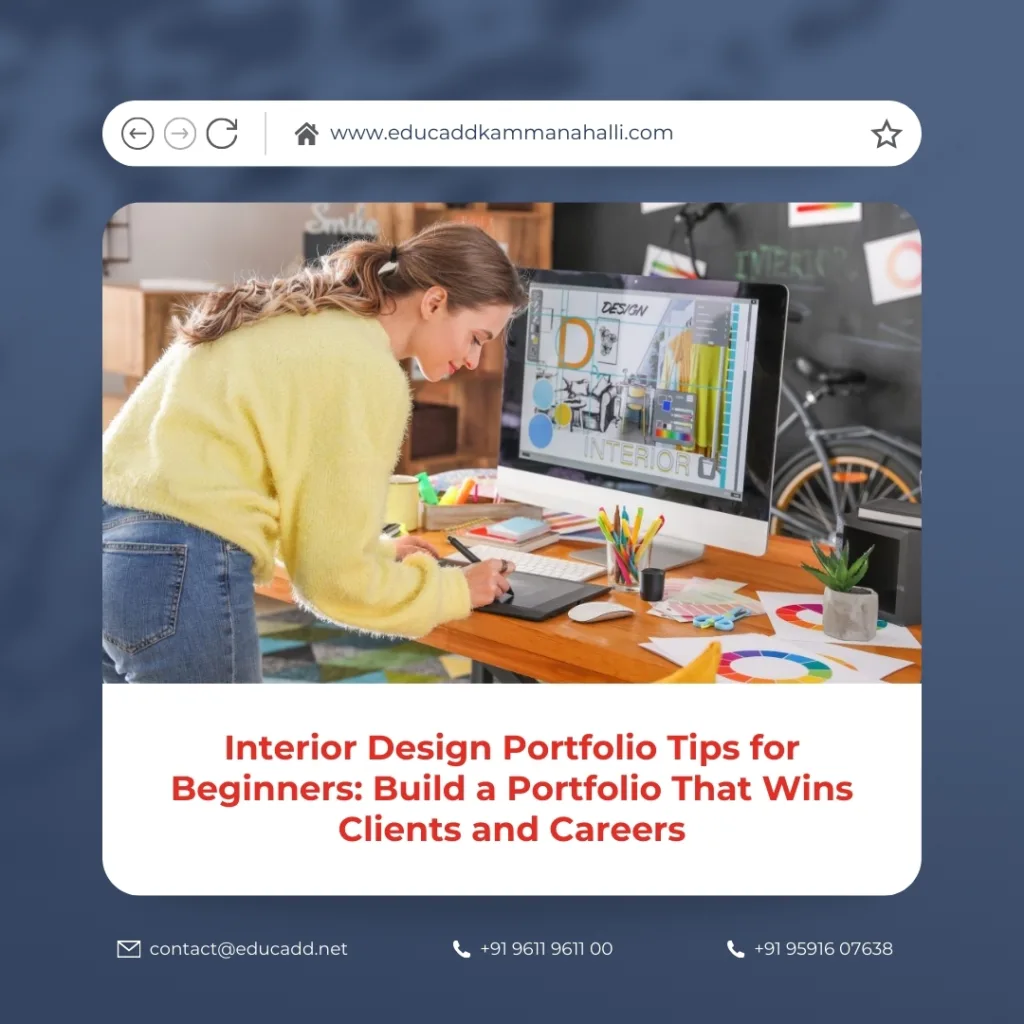
Interior Design Portfolio Tips
This guide explores practical interior design portfolio tips for beginners who want to create an impressive and professional portfolio. Each section explains strategies that help you select the right projects, present them effectively, and highlight your unique design style. By applying these ideas, beginners can confidently showcase their skills and start building a successful interior design career.
Understanding the Purpose of an Interior Design Portfolio
Before creating a Interior Design Portfolio Tips, beginners must understand its purpose. A portfolio serves as a visual representation of your design skills and creative process. It allows others to see how you think, plan, and execute design ideas.
Many new designers focus only on beautiful images. While visuals matter, clients and employers also want to understand the thinking behind the design. Therefore, a portfolio should explain the concept, inspiration, layout planning, materials, and final results. This approach helps viewers appreciate your design decisions.
A strong portfolio also demonstrates versatility. Interior designers often work on different types of spaces such as residential homes, offices, retail stores, and hospitality environments. Showing various project styles helps prove that you can adapt to different design challenges.
Another important purpose of a portfolio is storytelling. Each project should communicate a journey from concept to completion. When viewers understand the design process, they recognize the effort and expertise involved.
Beginners who understand these principles can organize their portfolio more effectively. Instead of simply placing images together, they can present projects with clear explanations, sketches, mood boards, and layouts. This structure improves readability and engagement.
Ultimately, the portfolio becomes a tool that opens professional opportunities. With the right interior design portfolio tips, beginners can build a strong presentation that attracts attention and builds trust.
Choosing the Right Projects for Your Portfolio
Selecting the right projects is one of the most important Interior Design Portfolio Tips for beginners. Many new designers believe they must include every project they have completed. However, quality matters more than quantity.
A focused portfolio with five to eight strong projects often creates a better impression than a large collection of average work. Each project should highlight a different skill or design approach. For example, one project may showcase space planning, while another highlights material selection or lighting design.
Academic projects can be valuable additions to a beginner’s portfolio. Design schools often assign projects that involve research, concept development, and presentation. These assignments demonstrate the learning process and design thinking.
Conceptual projects also work well. Beginners can redesign a room in their own home or create a design concept for a fictional client. These projects allow designers to demonstrate creativity even without professional experience.
Another useful strategy involves including before-and-after transformations. Showing the original space and the redesigned version highlights your ability to improve functionality and aesthetics.
While selecting projects, ensure each one tells a clear story. Include concept sketches, mood boards, floor plans, and final renderings. This sequence helps viewers understand the design development process.
Choosing strong projects carefully allows beginners to present a portfolio that looks focused, professional, and impactful.
Presenting Your Design Process Clearly
One of the most effective interior design portfolio tips involves explaining the design process. Clients and employers appreciate designers who can communicate their ideas clearly.
A well-structured project presentation usually begins with a short project description. This section explains the design objective, target users, and design style. The introduction sets the context for the viewer.
Next, include inspiration and concept development. Mood boards, color palettes, and reference images help illustrate the design direction. These elements show how the design idea evolved.
Space planning forms another critical stage of the process. Floor plans, zoning diagrams, and furniture layouts demonstrate how the designer organized the space. These visuals reveal your understanding of functionality and movement.
Material and lighting selection should also appear in the presentation. Interior design relies heavily on textures, colors, and lighting effects. Showing these elements helps viewers understand how the final space will feel.
Finally, display high-quality renderings or photographs of the completed design. These visuals represent the final result of the design process.
When beginners present projects in this structured format, their portfolios become easier to follow and more engaging. Clear explanations strengthen the impact of the visuals and showcase professional thinking.
Highlighting Your Unique Design Style
Every Interior Design Portfolio Tips develops a unique style over time. Even beginners often show certain preferences in color palettes, materials, or spatial arrangements. Highlighting this personal approach forms one of the most important interior design portfolio tips.
A consistent design identity helps clients remember your work. For example, some designers prefer modern minimalism, while others focus on luxurious or eclectic interiors. Your portfolio should reflect your natural design preferences.
However, beginners should also demonstrate flexibility. Showing different styles proves that you can adapt to various client requirements. Balance personal expression with professional versatility.
Consistency in presentation also strengthens your style. Using similar fonts, layouts, and color themes across the portfolio creates a cohesive visual experience. This consistency reflects professionalism and attention to detail.
Another useful strategy involves adding short design statements. These statements explain your design philosophy and the values that guide your work. When viewers understand your creative approach, they connect with your designs more easily.
By presenting a clear style and thoughtful design philosophy, beginners can build a memorable portfolio that stands out among competitors.
Using High-Quality Visuals and Renderings
Visual quality plays a major role in any interior design portfolio. Poor images can reduce the impact of even the most creative design ideas. Therefore, beginners should focus on presenting high-quality visuals.
Clear renderings, professional photographs, and detailed drawings improve the overall presentation. If you use 3D software, ensure that lighting, textures, and materials appear realistic. Well-rendered images create a strong visual impression.
Consistency also matters. Images should maintain similar sizes, proportions, and alignment throughout the portfolio. This arrangement creates a clean and organized layout.
Including multiple visual formats enhances understanding. For instance, combine floor plans, 3D views, sections, and detail drawings within each project. This variety demonstrates technical capability and design depth.
Avoid overcrowding pages with too many images. Instead, allow each visual to breathe within the layout. White space improves readability and keeps the portfolio visually balanced.
Beginners who prioritize image quality can transform their portfolios into visually compelling presentations that capture attention quickly.
Writing Clear and Engaging Project Descriptions
While visuals dominate an interior design portfolio, written explanations still play an important role. Clear descriptions help viewers understand the purpose and concept of each project.
Each project should include a short introduction that explains the design challenge. Describe the client needs, spatial limitations, or aesthetic goals. This context helps viewers appreciate the design solution.
Next, explain the design approach. Mention how the layout, colors, materials, and lighting contribute to the overall concept. Use simple and direct language to maintain readability.
Avoid long technical explanations. Instead, focus on key ideas that highlight your creativity and problem-solving skills. Short paragraphs often work best for maintaining attention.
Strong descriptions also include results. Explain how the design improved functionality, comfort, or visual appeal. When viewers see the benefits of the design, they understand its value.
Writing clear project descriptions strengthens communication skills and enhances the overall effectiveness of the portfolio.
Organizing Your Portfolio for Easy Navigation
A well-organized portfolio improves readability and viewer engagement. Beginners should arrange projects in a logical order that guides the viewer smoothly through the content.
Start with your strongest project. The first impression matters greatly, so presenting your best work at the beginning captures attention immediately. After that, arrange projects in a balanced sequence.
Use clear section headings and consistent layouts. Each project should follow a similar structure that includes concept, process, and final visuals. This consistency makes navigation easier.
Avoid cluttered pages or excessive text. Clean layouts allow viewers to focus on the design itself. White space, balanced image placement, and simple typography improve readability.
Digital portfolios should also include easy navigation features. Interactive menus or clickable sections help viewers move through the content quickly.
An organized portfolio demonstrates professionalism and attention to detail. Clients and employers appreciate designers who communicate ideas clearly and efficiently.
Including Technical Skills and Design Tools
Interior Design Portfolio Tips combines creativity with technical expertise. Therefore, beginners should highlight the tools and software they use during the design process.
Many designers rely on programs such as AutoCAD, SketchUp, Revit, or 3D rendering software. Showing drawings created with these tools demonstrates professional capabilities.
Technical drawings such as floor plans, sections, and elevations prove that you understand spatial planning and construction details. Including these elements strengthens the portfolio’s credibility.
Another useful strategy involves adding process sketches or hand drawings. These visuals show creativity and conceptual thinking.
Mentioning technical skills also helps potential employers evaluate your abilities. Design studios often seek candidates who can contribute immediately using industry tools.
By combining creativity with technical knowledge, beginners can present a balanced portfolio that reflects both artistic and professional strengths.
Creating Both Digital and Printed Portfolio Versions
Modern interior designers often present their portfolios in digital formats. Online portfolios allow designers to share their work easily with clients and employers worldwide.
A digital portfolio may appear as a PDF presentation or a personal website. Websites offer flexibility because they allow interactive navigation and multimedia elements. They also make it easier to update projects over time.
However, printed portfolios still hold value during interviews or presentations. A well-printed portfolio allows viewers to experience images and layouts in a tangible format.
When designing both versions, maintain consistent layout and branding. This consistency ensures that your professional identity remains clear across different formats.
Beginners who prepare both digital and printed portfolios gain flexibility when presenting their work in various professional situations.
Demonstrating Problem-Solving Through Design
Interior design involves solving spatial and functional challenges. Therefore, portfolios should highlight how designers address real problems within a space.
For example, a small apartment may require creative storage solutions. An office design may need improved workflow and collaboration areas. Presenting these challenges helps viewers understand the design context.
Explain how your design decisions improved the situation. Mention space optimization, lighting strategies, or material choices that enhanced functionality.
Before-and-after comparisons work particularly well in demonstrating problem-solving. They clearly show how the design transformed the space.
When beginners emphasize solutions rather than just aesthetics, their portfolios appear more professional and valuable.
Keeping the Portfolio Updated and Relevant
An Interior Design Portfolio Tips should evolve alongside your skills and experience. Beginners should review and update their portfolios regularly.
As you complete new projects, replace older or weaker work with stronger examples. This practice ensures that the portfolio always reflects your current abilities.
Updating the portfolio also allows designers to refine their presentation style. Improved layouts, better renderings, and clearer explanations enhance overall quality.
Staying updated helps maintain relevance within the industry. Design trends, materials, and technologies change frequently. Incorporating modern elements shows that you stay informed about industry developments.
Consistent updates transform the portfolio into a dynamic representation of your professional growth.
Avoiding Common Portfolio Mistakes
Many beginners make simple mistakes that reduce the effectiveness of their portfolios. Understanding these issues can help designers avoid them.
One common mistake involves including too many projects. Overloading the portfolio can overwhelm viewers and reduce focus on the best work.
Another mistake involves poor image quality. Blurry or poorly rendered visuals can weaken the overall impression.
Some portfolios also lack clear explanations. Without context, viewers may struggle to understand the purpose of the design.
Inconsistent layouts create another problem. Random fonts, colors, and image sizes make the portfolio appear unprofessional.
By avoiding these mistakes and applying strong interior design portfolio tips, beginners can create a polished and engaging presentation.
Building Confidence Through Your Portfolio
A well-designed portfolio not only impresses clients but also builds confidence for the designer. Beginners often feel uncertain about presenting their work, especially when entering a competitive industry.
However, a strong portfolio provides a clear record of your progress and abilities. Each project reflects the time, effort, and creativity invested in learning design.
When designers review their own portfolios, they recognize how much they have improved. This realization increases confidence during interviews and presentations.
Confidence also influences communication with clients. Designers who believe in their work explain ideas more clearly and persuasively.
Therefore, investing time in developing a professional portfolio benefits both career opportunities and personal growth.
Conclusion
Creating a professional portfolio represents one of the most important steps for beginners entering the interior design industry. A thoughtfully organized portfolio showcases creativity, technical knowledge, and design thinking in a way that attracts attention from clients and employers. By applying effective Interior Design Portfolio Tips, beginners can transform simple project collections into compelling visual stories that demonstrate their capabilities.
A strong portfolio begins with carefully selected projects that highlight different skills and design approaches. Clear presentation of the design process, high-quality visuals, and concise project descriptions help viewers understand the ideas behind each design. Organized layouts, consistent branding, and balanced content further enhance readability and professionalism.
As designers gain experience, updating the portfolio regularly ensures that it continues to reflect growth and current abilities. Over time, the portfolio becomes more than a presentation tool; it evolves into a powerful representation of the designer’s journey and creative identity.
Ultimately, a well-crafted portfolio opens doors to internships, freelance opportunities, and full-time design careers. Beginners who invest effort in building a clear, engaging, and professional portfolio position themselves for long-term success in the dynamic world of interior design.

