
How Long Does an Interior Design Project Really Take? A Complete Timeline Guide for Every Homeowner
Interior Design Project Timeline is not only about choosing furniture or wall colors. It involves planning layouts, selecting materials, creating functional spaces, coordinating vendors, supervising installations, and ensuring every detail matches the client’s vision. Therefore, every stage requires careful attention and proper scheduling. Rushing the process can lead to costly mistakes, poor finishes, and delays later.
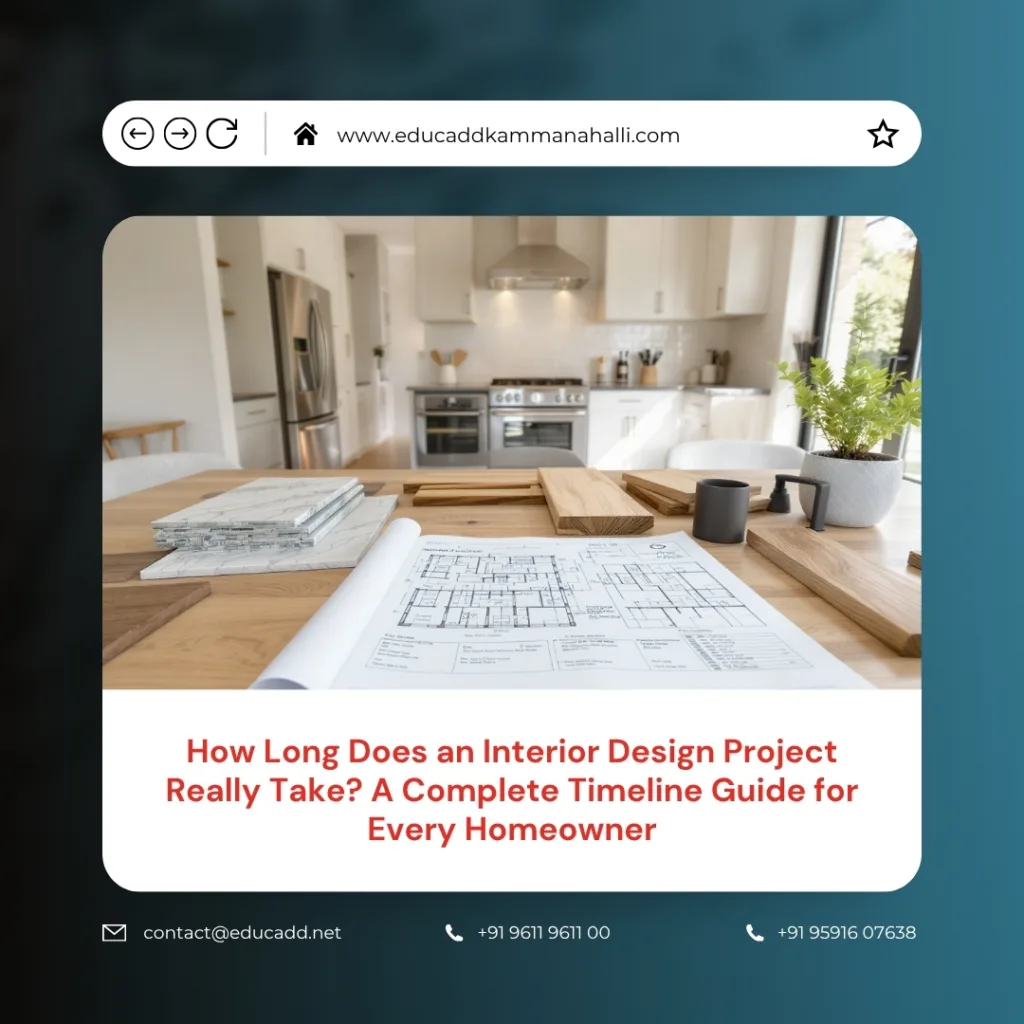
Interior Design Project Timeline
In this detailed guide, you will understand how long an interior design project usually takes, what factors affect timelines, and how homeowners can avoid unnecessary delays. This blog also explains timelines for different property sizes and shares practical tips to complete projects smoothly.
Understanding the Basic Timeline of an Interior Design Project
The Interior Design Project Timeline depends mainly on the scope of work. A simple renovation may take two to three months, while a luxury residential project may require six months or more. Every project includes multiple phases such as consultation, planning, material selection, design approval, production, and installation.
Generally, a standard apartment interior project follows this approximate timeline:
- Design planning and approval: 2 to 4 weeks
- Material procurement: 2 to 6 weeks
- Civil and electrical work: 2 to 4 weeks
- Modular furniture production: 3 to 6 weeks
- Installation and finishing: 2 to 3 weeks
Although these timelines seem straightforward, unexpected challenges can extend the process. Delayed approvals, labor shortages, customization changes, and shipping issues often impact schedules. Therefore, proper planning becomes essential from the beginning.
Additionally, experienced designers create realistic timelines instead of promising unrealistic completion dates. A well-planned project ensures quality workmanship and better long-term satisfaction.
Initial Consultation and Requirement Analysis Stage
The first stage of every interior design project begins with consultation and requirement analysis. During this phase, designers discuss the client’s lifestyle, budget, design preferences, and functional needs. This process usually takes one to two weeks depending on project complexity.
Designers carefully analyze the property layout and understand how each space will function. They also evaluate lighting conditions, ventilation, storage requirements, and existing structural limitations. These discussions help create a personalized design concept.
Furthermore, homeowners often need time to finalize ideas and priorities. Some clients prefer modern interiors, while others choose traditional or minimalist themes. Designers may conduct multiple meetings before locking the final direction.
This phase is extremely important because it forms the foundation of the entire interior design project. Clear communication during this stage reduces misunderstandings and avoids major design changes later.
Space Planning and Concept Development Timeline
After understanding the requirements, designers move to Interior Design Project Timeline. This phase generally takes two to three weeks for medium-sized residential projects. Large villas or commercial projects may require additional time.
Space planning involves creating layouts that maximize functionality and comfort. Designers prepare furniture arrangements, circulation paths, storage planning, and lighting concepts. Once the layouts receive approval, they develop mood boards, color palettes, and 3D visualizations.
During this stage, homeowners often request revisions. Some may change material preferences, while others modify room layouts. Although revisions improve personalization, excessive changes can extend the interior design project timeline significantly.
Additionally, designers coordinate with architects and contractors to ensure feasibility. Technical discussions regarding electrical points, plumbing layouts, and ceiling designs also happen during this phase.
A detailed design plan reduces execution errors and helps maintain smoother workflow during implementation.
Material Selection and Procurement Process
Material selection plays a major role in determining how long an interior design project takes. This stage may last anywhere between two to six weeks depending on product availability and customization requirements.
Designers help clients choose flooring materials, laminates, paints, fabrics, lighting fixtures, hardware, wallpapers, and decorative elements. Premium imported materials often require longer delivery timelines compared to locally available products.
Several procurement delays can occur due to:
- Imported materials taking extra shipping time
- Custom furniture requiring longer manufacturing periods
Additionally, homeowners sometimes change selections midway through the process. Such modifications affect procurement schedules and create installation delays later.
Experienced interior designers usually finalize materials early to avoid disruptions. They also maintain coordination with suppliers and vendors to ensure timely deliveries.
Therefore, quick decision-making from clients can help reduce unnecessary waiting periods and keep the interior design project on track.
Civil Work and Structural Modifications Duration
Civil work forms the backbone of many interior design projects. This phase may include wall demolitions, tiling, false ceiling installation, plumbing changes, and structural adjustments. Depending on the extent of renovation, civil work can take two to six weeks.
Minor renovations finish faster because they involve limited modifications. However, complete home transformations require careful planning and execution. Dust management, site safety, and material handling also influence timelines.
Moreover, civil work often depends on labor availability and weather conditions. During rainy seasons, certain tasks may slow down considerably. Therefore, contractors build buffer periods into project schedules.
This stage requires continuous supervision because poor civil execution can affect the final appearance of interiors. Proper leveling, alignment, and waterproofing ensure long-lasting quality.
Once civil work is complete, designers proceed with electrical and plumbing installations.
Electrical and Plumbing Work Timeline
Electrical and plumbing activities usually happen alongside civil work. These tasks generally take one to three weeks depending on project size and technical complexity.
Modern homes require extensive electrical planning for lighting systems, modular kitchens, entertainment units, appliances, and smart home automation. Similarly, plumbing work involves bathroom fittings, kitchen pipelines, and utility area connections.
Designers coordinate carefully with technicians to ensure every point aligns with the final layout. Mistakes during this stage can lead to expensive corrections later.
Moreover, customized lighting designs and concealed systems often need additional time for accurate execution. High-end interior design projects also include automation systems that require specialized installation.
Efficient coordination between designers, electricians, and plumbers helps prevent delays and improves project efficiency.
Modular Furniture Manufacturing and Installation
Modular furniture manufacturing is one of the most time-consuming stages of an interior design project. Depending on customization levels, this phase may take three to eight weeks.
Factories manufacture wardrobes, kitchen cabinets, TV units, study tables, and storage systems according to approved designs. Precision becomes extremely important during this stage because incorrect measurements can create installation issues later.
The manufacturing process includes:
- Cutting and processing raw materials
- Finishing, polishing, and hardware fitting
Customized furniture generally requires more time compared to ready-made solutions. Premium finishes and imported hardware may also extend production schedules.
After manufacturing, installation teams transport and assemble the furniture at the project site. Installation usually takes one to two weeks depending on project size.
Professional installation ensures durability, smooth functionality, and polished aesthetics. Therefore, designers prioritize accuracy over speed during this phase.
Painting, Wallpaper, and Finishing Activities
Finishing activities bring life to the entire interior design project. This stage includes painting, wallpaper installation, polishing, texture work, and decorative detailing. Usually, finishing work takes one to three weeks.
Painters prepare wall surfaces carefully before applying primer and paint. Textured finishes and decorative coatings often require multiple layers and drying periods. Similarly, wallpaper installation demands precision and clean surface preparation.
Additionally, designers inspect every corner during this stage to ensure consistency in quality. Minor touch-ups, edge corrections, and finishing adjustments happen before final handover.
Lighting fixtures, mirrors, curtains, and décor accessories are also installed during this period. These elements enhance the overall visual appeal of the space.
Since finishing work directly impacts the final appearance, professionals avoid rushing this phase. High-quality finishing creates a premium and elegant atmosphere inside the home.
How Apartment Size Affects Interior Design Project Timeline
Property size significantly influences how long an interior design project takes. Smaller apartments naturally require less time compared to large villas or duplex homes.
A typical timeline breakdown looks like this:
| Property Type | Approximate Timeline |
|---|---|
| 1 BHK Apartment | 6 to 8 weeks |
| 2 BHK Apartment | 8 to 12 weeks |
| 3 BHK Apartment | 10 to 16 weeks |
| Luxury Villa | 4 to 8 months |
Larger homes involve more rooms, complex layouts, additional customization, and extensive coordination. Therefore, timelines increase accordingly.
Moreover, luxury projects often include imported materials, smart automation systems, designer furniture, and intricate detailing. These features require specialized craftsmanship and longer execution periods.
Homeowners should always discuss realistic schedules with designers before beginning the project.
Customization and Luxury Designs Increase Project Duration
Customization adds uniqueness to interiors, but it also extends project timelines. Bespoke furniture, handcrafted elements, designer lighting, and premium materials require additional planning and execution time.
Luxury interior design projects usually involve:
- Imported marble and customized finishes
- Exclusive furniture designed specifically for the client
These elements cannot be produced quickly because they demand precision and expert craftsmanship.
Furthermore, luxury homes often include advanced technologies such as home automation, concealed lighting systems, and premium entertainment setups. Coordinating multiple specialists takes additional time.
Although customized interiors require patience, they deliver exceptional visual appeal and long-term value. Therefore, homeowners should prioritize quality rather than rushing the process.
Common Reasons Why Interior Design Projects Get Delayed
Even well-planned projects may experience delays due to unforeseen situations. Understanding common causes helps homeowners prepare better.
One major reason is delayed client approvals. When homeowners take too long to finalize designs or materials, execution teams cannot proceed efficiently.
Other common reasons include:
- Material shortages or supplier delays
- Frequent design modifications during execution
Labor availability also affects timelines, especially during festive seasons or peak construction periods. Additionally, poor communication between contractors and vendors may create scheduling conflicts.
Unexpected site conditions can also slow down progress. Structural issues, plumbing leaks, or electrical complications sometimes appear during renovation work.
However, experienced interior designers manage risks proactively through proper planning and regular coordination meetings.
Importance of Project Management in Timely Completion
Strong project management plays a crucial role in completing an interior design project on time. Professional designers follow structured workflows, maintain schedules, and coordinate multiple teams effectively.
Project managers monitor every stage closely. They track material deliveries, supervise labor activities, and resolve issues immediately. This organized approach minimizes disruptions and ensures smooth execution.
Additionally, regular progress updates help homeowners stay informed throughout the project. Transparent communication builds trust and reduces confusion.
Professional project management also improves quality control. Designers inspect workmanship regularly and ensure every detail matches approved designs.
Without proper coordination, even simple projects can face unnecessary delays. Therefore, choosing experienced professionals becomes essential for successful execution.
Tips to Complete Your Interior Design Project Faster
Homeowners can take several steps to ensure faster project completion without compromising quality. Proper preparation and timely decisions make a significant difference.
First, finalize your budget and design preferences before starting the project. Clear expectations reduce confusion later. Second, avoid making frequent changes after execution begins because modifications affect schedules heavily.
Additionally, homeowners should select materials early and maintain regular communication with designers. Quick approvals help vendors proceed without interruptions.
Hiring experienced professionals also improves efficiency because skilled teams understand workflow management better.
Most importantly, homeowners should maintain realistic expectations. Quality interiors require careful execution, and rushing the process often creates long-term problems.
Why Patience Leads to Better Interior Design Results
Many homeowners become impatient during renovations because living conditions may feel uncomfortable temporarily. However, patience often leads to better results.
An Interior Design Project Timeline creativity, technical expertise, coordination, and craftsmanship. Every detail contributes to the final experience of the space. Therefore, designers need sufficient time to maintain quality standards.
Rushed projects may result in uneven finishes, poor alignments, weak fittings, and unsatisfactory aesthetics. On the other hand, properly executed interiors offer durability, comfort, and timeless beauty.
Additionally, thoughtful design improves daily living experiences. Functional layouts, efficient storage, and personalized aesthetics create a home that truly reflects the homeowner’s personality.
Thus, investing extra time in proper execution always proves worthwhile in the long run.
Conclusion
So, how long does an interior design project take? The answer depends on project size, customization level, material selection, and execution quality. While smaller homes may finish within two months, larger luxury projects often require several months for proper completion.
An Interior Design Project Timeline multiple stages, including consultation, planning, procurement, manufacturing, installation, and finishing. Every phase requires attention to detail and smooth coordination among different teams. Therefore, realistic planning becomes essential for achieving successful results.
Homeowners should avoid rushing the process because quality interiors demand time, precision, and expertise. Instead, they should focus on clear communication, timely approvals, and proper collaboration with experienced designers.
Ultimately, a beautifully designed home is worth the wait. When every detail comes together perfectly, the final outcome creates comfort, elegance, and long-lasting satisfaction for years to come.

