
Can Interior Design Be Learned Online? Discover How Digital Learning Is Transforming Creative Careers
Interior design has evolved into one of the most exciting and rewarding creative professions in today’s world. As modern lifestyles continue to change, people increasingly seek beautiful, functional, and personalized spaces. Consequently, the demand for skilled interior designers has grown across residential, commercial, hospitality, and retail sectors. At the same time, online education has revolutionized how people acquire professional skills. This shift has led many aspiring designers to ask an important question: Learn Interior Design Online
The simple answer is yes. Online learning has opened new opportunities for individuals who want to develop interior design expertise without attending traditional classroom programs. With access to advanced software, expert instructors, interactive assignments, and real-world projects, students can now gain comprehensive design knowledge from virtually anywhere. Furthermore, online learning provides flexibility that allows working professionals, entrepreneurs, homemakers, and students to pursue their creative goals at their own pace.
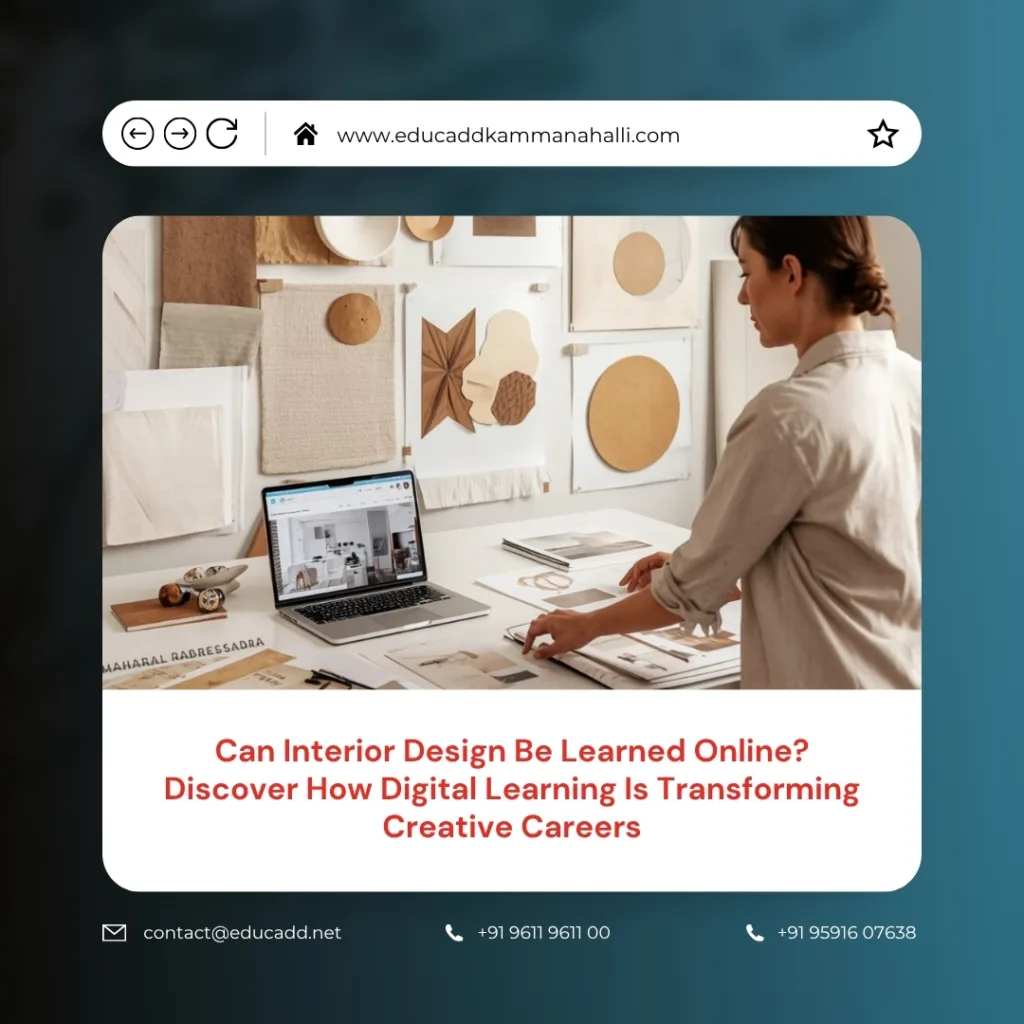
Learn Interior Design Online
However, many people still wonder whether online training can truly provide the practical experience required for a design career. Understanding how online education works and what it offers can help aspiring designers make informed decisions. This article explores the effectiveness of Learn Interior Design Online, the skills students can gain, and the opportunities available after completing an online program.
The Growing Popularity to Learn Interior Design Online
The popularity of online education has increased dramatically over the past decade. Technological advancements have made it easier for educational institutions to deliver high-quality learning experiences through digital platforms. As a result, interior design courses have become more accessible than ever before.
Students no longer need to relocate or commute long distances to attend classes. Instead, they can access lectures, assignments, design resources, and software tutorials from their homes. Moreover, online programs often provide recorded sessions, enabling learners to revisit lessons whenever necessary. This flexibility helps students balance education with work, family responsibilities, and other commitments. Consequently, online learning has become a preferred option for many aspiring interior designers worldwide.
Understanding What Interior Design Really Involves
Before beginning any educational journey, it is important to understand the scope of interior design. Many people mistakenly assume that interior design focuses only on decorating rooms. In reality, the profession involves much more than selecting colors and furniture.
Interior designers create spaces that combine aesthetics, functionality, safety, and comfort. They analyze client requirements, develop design concepts, prepare layouts, select materials, and coordinate with contractors. Additionally, they must understand building regulations, lighting design, ergonomics, sustainability, and spatial planning. Therefore, a quality online course must address both the artistic and technical aspects of interior design to prepare students for professional success.
How Online Courses Teach Design Principles Effectively
A strong foundation in design principles is essential for every interior designer. Fortunately, online learning platforms are highly effective at teaching these fundamentals through visual demonstrations, assignments, and practical exercises.
Students learn concepts such as balance, harmony, proportion, rhythm, contrast, and emphasis through structured lessons. Interactive projects encourage learners to apply theoretical knowledge to realistic scenarios. Furthermore, instructors often provide detailed feedback that helps students improve their creative thinking and problem-solving abilities. Through consistent practice and guidance, students develop a deeper understanding of design principles that form the backbone of successful interior projects.
Learn Interior Design Online Software from Anywhere
Modern interior design relies heavily on digital tools and software. Online courses excel in this area because software training naturally adapts to virtual learning environments. Students can watch demonstrations, follow tutorials, and practice independently using industry-standard applications.
Common software taught in online programs includes:
- AutoCAD for technical drafting and floor plans.
- SketchUp and 3D visualization tools for realistic design presentations.
These platforms help students create professional drawings, renderings, and presentations. As technology continues to shape the design industry, proficiency in these tools significantly enhances career prospects. Therefore, online learning offers an excellent pathway to acquiring software skills that employers value highly.
The Importance of Practical Projects in Online Learning
One concern many students have involves gaining practical experience through online education. Fortunately, reputable online programs emphasize project-based learning to bridge the gap between theory and practice.
Students typically work on residential layouts, commercial interiors, furniture arrangements, lighting plans, and space optimization exercises. These assignments simulate real-world design challenges and encourage critical thinking. Additionally, project submissions allow instructors to evaluate progress and provide constructive feedback. Through continuous project work, learners gradually build confidence and develop the practical skills required in professional environments.
Building Creativity Through Virtual Design Exercises
Creativity remains one of the most valuable qualities in interior design. Many people believe creativity can only flourish in traditional classrooms. However, online education often provides diverse opportunities to stimulate innovative thinking.
Virtual mood boards, concept development activities, color studies, and design challenges encourage students to experiment with new ideas. Exposure to global design trends through digital resources further broadens creative perspectives. As learners explore different styles, materials, and design philosophies, they become more confident in expressing unique design concepts. Therefore, online learning can effectively nurture creativity when supported by consistent practice and exploration.
Developing Technical Knowledge Beyond Decoration
Professional interior designers require extensive technical knowledge. Successful online programs recognize this need and incorporate technical subjects into their curriculum.
Students often learn about:
- Space planning, building materials, and construction methods.
- Lighting systems, sustainability practices, and building codes.
These subjects help learners understand how design decisions affect functionality and safety. Moreover, technical expertise allows designers to communicate effectively with architects, engineers, and contractors. As a result, graduates become capable of managing complex projects while maintaining design integrity.
Flexibility Makes Learning Accessible for Everyone
One of the greatest advantages of online education is flexibility. Traditional classroom programs often require fixed schedules that may not suit every student. Online courses eliminate many of these limitations.
Learners can study during evenings, weekends, or any available free time. This flexibility benefits working professionals seeking career transitions as well as students pursuing additional qualifications. Furthermore, self-paced learning allows individuals to progress according to their comfort level. Rather than rushing through difficult topics, students can spend extra time mastering concepts before moving forward. This personalized approach often leads to better learning outcomes and improved confidence.
Access to Industry Experts Across the Globe
Online education removes geographical barriers and connects students with experienced professionals from different regions. This access significantly enriches the learning experience.
Industry experts bring valuable insights gained through years of practical work. They share case studies, project experiences, and professional strategies that help students understand current market expectations. Additionally, guest lectures and webinars expose learners to emerging trends and innovative practices. Such interactions provide a broader perspective on the profession and help students develop industry-relevant skills that employers seek.
Portfolio Development Through Online Programs
A strong portfolio is often more important than a degree when pursuing interior design opportunities. Employers and clients want to see evidence of a designer’s capabilities and creative approach.
Online courses typically incorporate portfolio-building projects throughout the curriculum. Students compile floor plans, concept boards, renderings, and design presentations into professional portfolios. These collections showcase technical skills, creativity, and problem-solving abilities. Moreover, portfolio development encourages students to refine their work continuously. By the end of the course, learners possess tangible evidence of their competencies, which enhances employability and client confidence.
Career Opportunities After Online Interior Design Training
Completing an online interior design course can open doors to numerous career paths. The design industry offers diverse opportunities across various sectors, allowing professionals to specialize according to their interests.
Graduates may pursue careers in residential design, commercial interiors, retail spaces, hospitality projects, furniture design, exhibition design, or space planning. Some individuals choose freelance consulting, while others join architecture and design firms. Furthermore, the increasing demand for personalized interiors continues to create opportunities for skilled professionals. Therefore, online training can serve as a valuable stepping stone toward a rewarding design career.
Challenges Students May Face During Online Learning
Although online education offers many benefits, students should also understand potential challenges. Self-discipline plays a crucial role in achieving success through virtual learning.
Without a fixed classroom schedule, some learners may struggle with time management. Additionally, students must remain motivated and actively participate in assignments to maximize learning outcomes. Technical issues, internet connectivity problems, and distractions at home can occasionally affect progress. However, these challenges can be overcome through proper planning, consistency, and dedication. Students who maintain a structured learning routine often perform exceptionally well in online programs.
Choosing the Right Online Interior Design Course
Selecting the right course significantly influences the quality of education received. Therefore, prospective students should carefully evaluate programs before enrolling.
Important factors include curriculum quality, instructor expertise, software training, project opportunities, certification value, and student support services. Reading reviews and examining course content can provide useful insights. Additionally, programs that emphasize practical learning and portfolio development generally offer better career preparation. Investing time in selecting the right course ensures a more rewarding educational experience and stronger professional outcomes.
Why Online Learning Is Shaping the Future of Interior Design Education
The future of education continues to move toward digital accessibility and flexible learning models. Interior design education is no exception. As technology advances, online platforms are becoming increasingly sophisticated and interactive.
Virtual reality, augmented reality, cloud-based collaboration tools, and advanced visualization software are transforming how students learn and practice design. These innovations create immersive learning experiences that closely resemble professional workflows. Consequently, online education is becoming an integral part of the design industry’s future. Students who embrace digital learning today position themselves advantageously for tomorrow’s evolving workplace.
Conclusion
Learn Interior Design Online, The answer is undoubtedly yes. Modern online programs provide comprehensive training that covers design principles, software skills, technical knowledge, creativity development, and portfolio building. Through structured lessons, practical projects, and expert guidance, students can acquire the competencies required to succeed in the design industry.
Moreover, online education offers unmatched flexibility, accessibility, and affordability, making it an attractive option for aspiring designers from diverse backgrounds. While success requires commitment, discipline, and consistent practice, motivated learners can achieve impressive results through virtual learning platforms. As technology continues to reshape education and professional practice, online interior design training will remain a powerful pathway for individuals seeking creative, fulfilling, and future-ready careers in the world of interior design.

