
Mobile-First Marketing Strategies for Today’s Users: Winning the Attention of the Always-Connected Generation
Mobile First Marketing Strategies have transformed the way people interact with brands, products, and services. Today, most online activity happens on mobile devices rather than desktop computers. Consumers search, shop, learn, and communicate through their smartphones every day. Because of this shift, businesses must adapt their marketing strategies to match mobile user behavior. Companies that still design campaigns primarily for desktop users risk losing visibility, engagement, and potential customers.
Mobile First Marketing Strategies focuses on creating digital experiences that prioritize smartphone users before any other device. This approach ensures that websites, advertisements, emails, and content function smoothly on small screens while delivering value quickly. Modern consumers expect speed, convenience, and personalization when they interact with brands on their phones. If a website loads slowly or a page appears cluttered, users leave within seconds.
A well-planned mobile-first marketing strategy allows brands to reach audiences at the right time and in the right format. Businesses can use mobile data, user behavior, and location insights to create highly targeted campaigns that improve engagement and conversions. From responsive websites to mobile-optimized content and app-based marketing, several techniques help companies stay competitive in the mobile era.
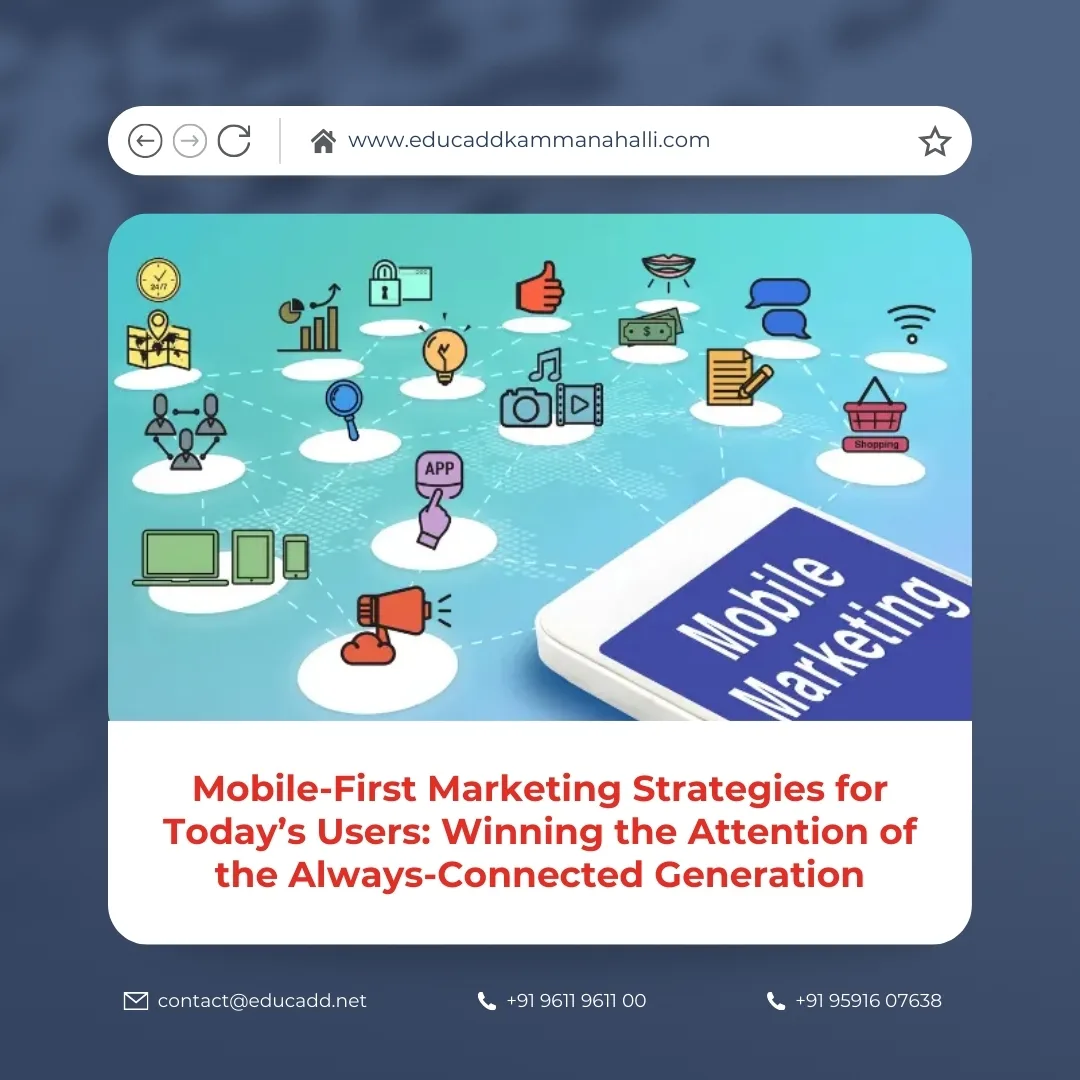
Mobile First Marketing Strategies
This article explores the most effective mobile-first marketing strategies for today’s users. It highlights practical methods businesses can implement to improve visibility, engagement, and customer satisfaction in a world where mobile devices dominate digital interactions.
Understanding the Mobile-First Marketing Approach
Mobile First Marketing Strategies is not simply about making a website look good on a phone. Instead, it begins with designing digital experiences specifically for mobile users and then adapting them for larger screens. This strategy focuses on simplicity, speed, and usability because smartphone users often interact with content while multitasking or moving.
In many regions, mobile devices generate more than half of all internet traffic. As a result, businesses must ensure that every aspect of their digital presence supports mobile users. Websites, landing pages, advertisements, and social media campaigns should load quickly and present information clearly on small screens.
Companies that implement mobile-first marketing often see improved engagement and better customer satisfaction. When users find information easily and navigate smoothly, they are more likely to stay longer and take action. This approach also aligns with search engine algorithms, which prioritize mobile-friendly websites in search results.
Mobile First Marketing Strategies encourages businesses to think from the perspective of smartphone users. Marketers must ask important questions: How quickly can a visitor access key information? Is the interface simple enough to navigate with one hand? Are call-to-action buttons visible and easy to tap? By addressing these questions, companies create user-focused experiences that strengthen their digital presence.
Optimizing Website Design for Mobile Users
A mobile-friendly website forms the foundation of any successful mobile-first marketing strategy. Since many consumers discover brands through mobile searches, the website must deliver a seamless experience from the moment it loads. A responsive design ensures that pages adjust automatically to different screen sizes without losing functionality.
Speed plays a crucial role in mobile performance. Studies show that users often abandon a website if it takes more than a few seconds to load. Therefore, businesses should compress images, reduce unnecessary scripts, and use efficient coding techniques to improve loading times. Faster websites improve user satisfaction and also contribute to higher search rankings.
Navigation must remain simple and intuitive. Large menus and complex layouts may work on desktop screens, but they create confusion on mobile devices. Instead, designers should use clear navigation menus, visible search bars, and concise page structures that guide users directly to important information.
Another important factor involves touch-friendly design. Buttons and links should appear large enough for easy tapping. Forms should require minimal typing, and input fields should remain clearly visible. When businesses prioritize usability, they remove obstacles that prevent users from completing actions such as purchases or inquiries.
Creating Mobile-Optimized Content
Content plays a vital role in mobile-first marketing because users consume information differently on smartphones. Long blocks of text often discourage readers, especially when they appear on small screens. Therefore, marketers should structure content in a way that improves readability and encourages engagement.
Short paragraphs, clear headings, and bullet points help users scan information quickly. Since many people browse content during short breaks or while commuting, they prefer easily digestible information that delivers value without requiring long reading sessions.
Visual elements also enhance mobile content. Infographics, short videos, and interactive media capture attention more effectively than text alone. When these elements load quickly and fit properly on mobile screens, they increase engagement and encourage users to share content on social platforms.
Another effective practice involves placing key information near the beginning of each section. Mobile readers often scroll rapidly, so the most valuable insights should appear early in the content. This strategy ensures that users gain useful knowledge even if they do not read the entire article.
Leveraging Mobile Search Optimization
Search engines now prioritize mobile experiences when ranking websites. As a result, search engine optimization must align with mobile-first marketing principles. Businesses that optimize their content for mobile search gain greater visibility among smartphone users.
One important factor involves using concise titles and clear meta descriptions. These elements appear prominently on mobile search results, so they must communicate value quickly. When users understand what a page offers, they are more likely to click and explore the content.
Local search optimization also plays a significant role in mobile marketing. Many smartphone users search for nearby services, restaurants, or stores. Businesses should update their location details, contact information, and operating hours to ensure accurate search listings.
Voice search continues to influence mobile behavior as well. Many users rely on voice assistants to find information quickly. Because voice queries often resemble natural conversations, marketers should include conversational phrases and question-based keywords in their content strategy.
Utilizing Mobile Advertising Effectively
Mobile advertising offers businesses a powerful way to reach audiences where they spend the most time. Platforms such as social media networks, mobile apps, and search engines provide targeted advertising options that allow marketers to connect with specific user groups.
Successful mobile advertisements focus on simplicity and clarity. Since mobile screens are smaller, advertisements must communicate their message quickly. Strong visuals, concise text, and clear call-to-action buttons encourage users to interact with the ad.
Location-based advertising adds another layer of effectiveness. Businesses can deliver promotions or notifications when users enter specific geographic areas. For example, a retail store may send a discount offer to nearby customers, encouraging immediate visits.
Retargeting also plays an important role in mobile advertising. When users visit a website but leave without completing an action, businesses can display relevant advertisements on other mobile platforms. This strategy reminds users about the brand and encourages them to return.
Harnessing the Power of Mobile Apps
Mobile applications provide a direct communication channel between businesses and customers. Unlike websites, apps remain accessible on a user’s device at all times, allowing brands to maintain ongoing engagement.
Many companies use mobile apps to offer personalized experiences, exclusive promotions, and convenient services. For example, retail apps may allow customers to browse products, track orders, and receive loyalty rewards in one place.
Push notifications represent a key advantage of mobile apps. Businesses can send timely updates about new products, special offers, or important announcements. When used carefully, these notifications encourage repeat visits and strengthen brand loyalty.
However, companies must avoid overwhelming users with excessive alerts. Notifications should remain relevant and valuable so that customers continue to engage with the app rather than disabling alerts.
Implementing Social Media Mobile Strategies
Social media platforms play a central role in mobile-first marketing because most users access them through smartphones. Brands must therefore design social media content specifically for mobile consumption.
Short videos, vertical images, and concise captions perform particularly well on mobile platforms. These formats match the natural scrolling behavior of smartphone users and capture attention quickly. Platforms such as Instagram, TikTok, and YouTube Shorts have demonstrated the growing popularity of mobile-friendly video content.
Consistency also contributes to success on social media. Businesses should maintain regular posting schedules while ensuring that each piece of content delivers value. Informative posts, entertaining videos, and interactive polls encourage audience participation.
Engaging directly with followers strengthens relationships as well. Responding to comments, messages, and feedback shows that a brand values its community. This interaction builds trust and encourages long-term customer loyalty.
Personalization in Mobile Marketing
Personalization has become a defining element of effective mobile-first marketing. Smartphone users generate valuable data through browsing habits, purchase history, and location activity. Businesses can analyze this data to deliver tailored experiences that match individual preferences.
Personalized product recommendations often improve conversion rates. When users see suggestions based on their interests, they are more likely to explore additional products or services. This strategy benefits both customers and businesses by simplifying the discovery process.
Email marketing can also incorporate mobile personalization. Marketers may segment audiences based on demographics, interests, or past interactions. Each group receives targeted messages that address specific needs, which increases engagement and click-through rates.
However, businesses must maintain transparency and respect user privacy. Clear data policies and secure systems help build trust while allowing companies to use personalization responsibly.
Improving Mobile Checkout Experiences
For e-commerce businesses, the checkout process represents one of the most critical aspects of mobile-first marketing. A complicated or lengthy checkout process often leads to abandoned purchases.
Simplifying checkout steps significantly improves conversions. Mobile shoppers prefer quick transactions that require minimal typing. Features such as autofill forms, digital wallets, and one-tap payments reduce friction during the purchase process.
Security also remains essential. Customers must feel confident that their payment information is protected. Secure payment gateways and visible trust indicators reassure users and encourage them to complete transactions.
Businesses should also allow guest checkout options. Many users hesitate to create accounts before making a purchase. Offering flexible checkout options removes this barrier and speeds up the buying process.
The Role of Speed in Mobile Marketing
Speed influences every aspect of the mobile user experience. When pages load slowly, users lose patience and abandon the site. Therefore, businesses must continuously monitor and improve performance.
Several techniques help enhance mobile speed. Image optimization reduces file sizes without sacrificing quality. Content delivery networks distribute data efficiently, allowing users to access information from servers located closer to them.
Minimizing unnecessary scripts and plugins also improves performance. While advanced features may seem attractive, they sometimes slow down websites. Marketers should evaluate each element carefully to ensure that it contributes to the user experience.
Fast websites not only satisfy visitors but also improve search engine rankings. As search engines emphasize user experience, speed becomes a crucial factor in digital visibility.
Using Analytics to Refine Mobile Strategies
Data analysis allows businesses to understand how users interact with their mobile platforms. Analytics tools track important metrics such as page views, session duration, bounce rates, and conversion rates.
By examining these insights, marketers can identify areas that require improvement. For example, if users frequently leave a page quickly, the content or design may need adjustment. Similarly, low conversion rates may indicate problems within the checkout process.
A/B testing helps refine mobile marketing strategies further. Businesses can test different headlines, layouts, or call-to-action buttons to determine which version performs better. Continuous testing ensures that marketing efforts evolve according to user preferences.
Analytics also reveal trends in user behavior. When marketers understand these patterns, they can adjust campaigns, improve content, and allocate resources more effectively.
Building Trust Through Mobile User Experience
Trust remains a critical factor in digital marketing, especially on mobile devices where users share personal information and payment details. A secure and transparent environment encourages customers to interact with brands confidently.
Clear privacy policies and secure connections demonstrate professionalism and responsibility. Websites should use secure encryption protocols and display security indicators that reassure users.
Consistency across platforms also strengthens credibility. Whether users interact through a website, mobile app, or social media page, the experience should remain consistent in design, messaging, and functionality.
Positive reviews and testimonials further reinforce trust. Mobile users often rely on peer feedback before making decisions. By highlighting authentic customer experiences, businesses strengthen their reputation and influence potential buyers.
Future Trends in Mobile-First Marketing
Mobile marketing continues to evolve as technology advances. Emerging innovations such as augmented reality, artificial intelligence, and faster mobile networks are shaping the future of digital experiences.
Augmented reality allows customers to visualize products in real-world environments before purchasing. Retail brands already use this technology to help users preview furniture, clothing, or cosmetics through smartphone cameras.
Artificial intelligence enhances personalization and automation. AI systems analyze user behavior in real time, allowing businesses to deliver relevant recommendations and targeted messages instantly.
The expansion of high-speed mobile networks will further improve digital interactions. Faster connectivity enables richer media experiences, including high-quality streaming and immersive content.
Businesses that monitor these trends and adapt quickly will remain competitive in the rapidly evolving mobile marketplace.
Conclusion
Mobile First Marketing Strategies has become an essential strategy for businesses that want to succeed in the digital era. As smartphones dominate online activity, companies must design experiences that prioritize mobile users from the beginning. A well-structured mobile approach ensures that websites load quickly, content remains easy to read, and navigation feels intuitive on small screens.
Effective mobile-first marketing strategies combine responsive design, optimized content, targeted advertising, and personalized experiences. Businesses must also focus on speed, usability, and data-driven improvements to maintain strong engagement with mobile audiences. When brands align their strategies with mobile behavior, they create meaningful connections with users who expect convenience and instant access to information.
The future of digital marketing will continue to revolve around mobile technology. Companies that embrace innovation, monitor emerging trends, and prioritize user experience will stand out in an increasingly competitive online environment. By adopting mobile-first marketing strategies today, businesses position themselves for long-term success in a world where smartphones shape how consumers discover, evaluate, and interact with brands.

