
Essential Skills Required to Become a Professional Interior Designer
Interior design is far more than arranging furniture or selecting attractive color palettes. It is a disciplined profession that blends creativity with technical precision, psychology with functionality, and vision with execution. A Professional Interior Designer Skills shapes how people experience homes, offices, retail outlets, hospitality spaces, and public environments. Every element, from lighting placement to material texture, influences mood, productivity, comfort, and safety. Therefore, mastering the skills required to become a professional interior designer is not optional; it is essential for long-term success.
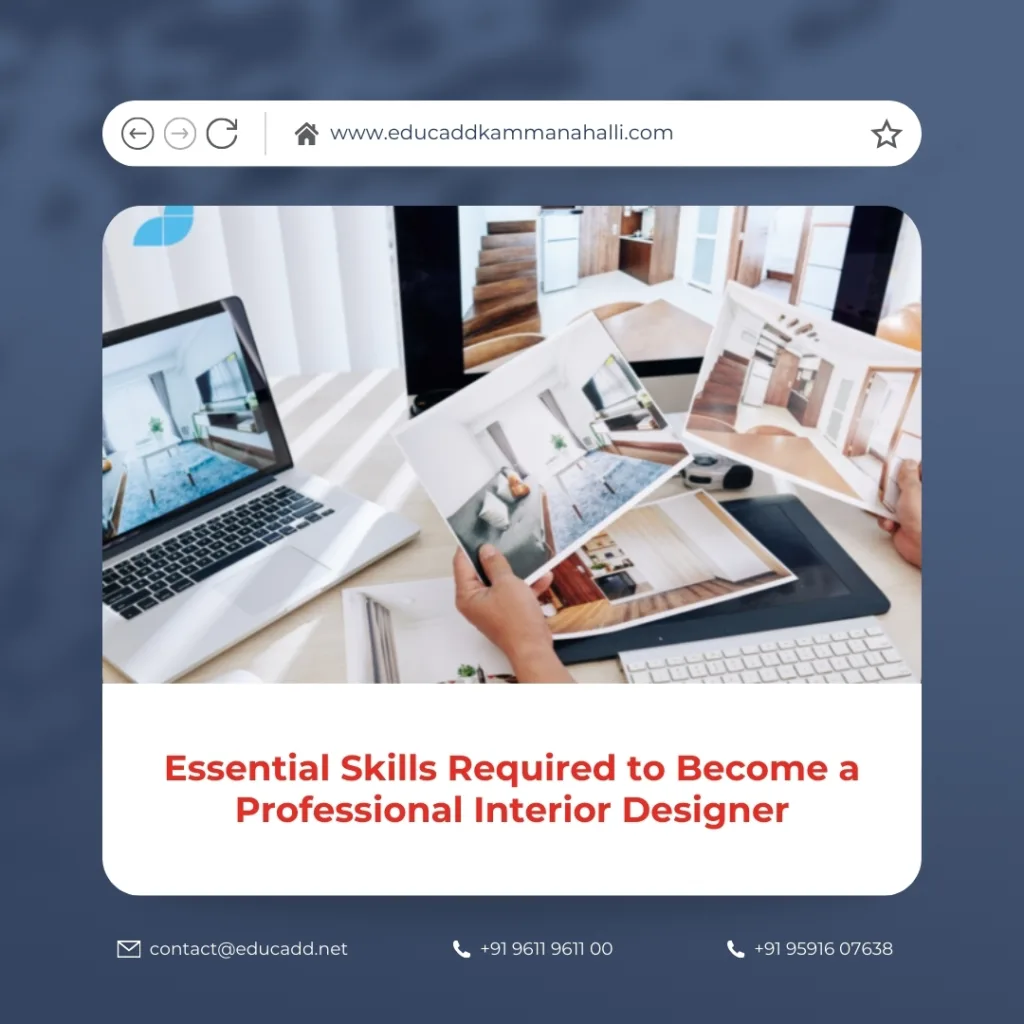
Professional Interior Designer Skills
In today’s competitive design industry, clients expect innovation, efficiency, sustainability, and flawless execution. They want spaces that reflect personality while serving practical needs. As a result, aspiring designers must cultivate a broad set of competencies that combine artistic insight with analytical thinking. This comprehensive guide explores the essential skills required to become a Professional Interior Designer Skills, presented in detail to help you understand what truly defines excellence in this field.
1. Creative Vision and Artistic Sensibility
Creativity forms the foundation of interior design. Without a strong artistic sense, it becomes difficult to develop unique concepts or translate client ideas into compelling spaces. A professional interior designer must visualize how empty rooms can transform into purposeful environments. This ability allows designers to experiment with themes, textures, materials, and layouts before implementation begins.
Moreover, creative thinking helps designers solve spatial challenges. For instance, a small apartment may require innovative storage solutions, while a large commercial office might demand zones that promote collaboration. Creative vision ensures that every design decision enhances both aesthetics and functionality.
In addition, artistic sensibility involves understanding proportions, symmetry, contrast, and balance. Designers must know how colors interact, how patterns influence perception, and how lighting changes the appearance of materials. When these elements align harmoniously, the space feels intentional and inviting. Therefore, developing a strong creative foundation remains one of the most important skills required to become a professional interior designer.
2. Strong Knowledge of Design Principles
Although creativity is crucial, it must be supported by solid design principles. Professional interior designers rely on established concepts such as balance, rhythm, emphasis, harmony, scale, and proportion. These principles guide every decision and ensure consistency throughout a project.
For example, balance prevents a room from feeling visually heavy on one side. Rhythm creates movement through repetition of patterns or colors. Emphasis highlights focal points, such as a statement wall or unique lighting fixture. When these principles work together, the space feels cohesive and purposeful.
Furthermore, understanding spatial planning strengthens overall design outcomes. Designers must analyze floor plans carefully and arrange furniture to support natural flow. Traffic paths should remain unobstructed, and functionality must always align with the intended purpose of the space. Mastery of design fundamentals builds credibility and distinguishes professional designers from hobbyists.
3. Technical Drawing and Visualization Skills
Professional interior designers must communicate ideas clearly. Therefore, technical drawing and visualization skills play a significant role in project success. Designers create floor plans, elevations, sections, and 3D renderings to present their concepts effectively.
Sketching by hand helps designers capture initial ideas quickly. However, digital visualization tools enhance precision and realism. Software such as AutoCAD, SketchUp, and Revit enables designers to produce accurate layouts and detailed models. Clients can then visualize the final outcome before construction begins.
Additionally, strong visualization skills allow designers to foresee potential challenges. They can identify structural constraints, lighting limitations, or furniture placement issues early in the process. As a result, costly revisions are minimized, and project timelines remain controlled. Technical competence, therefore, stands among the essential skills required to become a professional interior designer.
4. Knowledge of Materials and Finishes
An experienced interior designer understands materials deeply. Every surface, from flooring to ceiling panels, influences durability, maintenance, and aesthetics. Designers must evaluate textures, finishes, sustainability factors, and cost considerations before making selections.
For instance, hardwood flooring offers warmth and longevity, while laminate provides affordability and easy maintenance. Natural stone delivers luxury, whereas engineered materials offer flexibility. Fabric choices also affect comfort and durability. Designers must recommend materials that match the client’s lifestyle and budget.
Moreover, knowledge of finishes ensures cohesive design. Paint types, wall coverings, cabinetry finishes, and hardware details must complement each other. When designers select materials strategically, the final space reflects both elegance and practicality. Therefore, material expertise remains indispensable in professional interior design.
5. Space Planning and Layout Optimization
Space planning forms the structural backbone of any interior design project. A beautiful room loses its impact if movement feels restricted or furniture placement appears awkward. Professional interior designers analyze dimensions carefully and create layouts that enhance usability.
Effective space planning involves understanding ergonomics. Seating heights, table clearances, and storage accessibility must align with human comfort. Designers must also consider building codes and safety regulations when planning commercial spaces.
Furthermore, layout optimization helps maximize limited areas. Small homes benefit from multi-functional furniture, while large spaces require zoning strategies to avoid emptiness. Through thoughtful arrangement, designers create environments that feel balanced and purposeful. Consequently, space planning stands as one of the critical skills required to become a professional interior designer.
6. Communication and Interpersonal Skills
Interior design is highly collaborative. Designers interact with clients, contractors, architects, suppliers, and project managers. Therefore, strong communication skills determine project success.
Professional interior designers listen carefully to client expectations. They translate abstract ideas into structured design concepts. Clear verbal and written communication prevents misunderstandings and ensures alignment.
In addition, interpersonal skills build trust. Clients often invest significant resources into their spaces. They seek reassurance and professional guidance. When designers communicate confidently and respectfully, relationships strengthen, and referrals increase. As a result, communication ability becomes a powerful asset in the design industry.
7. Project Management and Organizational Skills
Professional Interior Designer Skills projects involve multiple phases, including concept development, budgeting, procurement, installation, and final inspection. Without effective project management, delays and cost overruns can occur.
Professional interior designers coordinate timelines, track expenses, and supervise installations. They create schedules that align contractors and suppliers efficiently. Strong organizational skills help designers manage documentation, invoices, and approvals systematically.
Furthermore, proactive planning prevents last-minute challenges. Designers anticipate risks and prepare contingency solutions. By maintaining structure and discipline, they ensure smooth execution from start to finish. Therefore, project management stands among the essential skills required to become a professional interior designer.
8. Budgeting and Financial Awareness
Clients expect quality within financial limits. Therefore, budgeting skills are vital. Professional interior designers estimate costs accurately and allocate funds wisely across materials, labor, and furnishings.
They compare vendor quotations, negotiate prices, and track expenditures continuously. Transparent budgeting builds credibility and avoids disputes. Moreover, financial awareness allows designers to suggest cost-effective alternatives without compromising aesthetics.
Understanding return on investment also strengthens commercial projects. Retail and hospitality clients seek designs that attract customers and enhance brand value. When designers align creativity with financial strategy, they deliver measurable impact. Consequently, budgeting competence enhances professional reputation.
9. Attention to Detail
Interior design success often depends on small details. Hardware finishes, lighting angles, fabric stitching, and alignment of patterns contribute significantly to the final outcome. Professional interior designers observe these nuances carefully.
Attention to detail ensures consistency throughout the project. For example, mismatched color tones or poorly aligned cabinetry can disrupt visual harmony. Designers must review every element before approval.
Additionally, precision enhances safety and functionality. Electrical outlets, plumbing fixtures, and ventilation systems must be positioned correctly. When designers maintain meticulous standards, they deliver refined and reliable results. Therefore, detail orientation remains one of the key skills required to become a professional interior designer.
10. Adaptability and Problem-Solving Ability
Every project presents unexpected challenges. Delayed shipments, structural limitations, and changing client preferences can disrupt progress. Professional interior designers respond with adaptability and creative problem-solving.
They evaluate alternatives quickly and propose practical solutions. Instead of focusing on obstacles, they identify opportunities for improvement. Adaptability ensures resilience in dynamic environments.
Furthermore, the design industry evolves continuously. Trends shift, technology advances, and sustainability expectations increase. Designers must remain flexible and open to learning. This adaptability strengthens long-term career growth.
11. Knowledge of Lighting Design
Lighting transforms spaces dramatically. It influences mood, functionality, and visual comfort. Professional interior designers understand natural and artificial lighting techniques.
They combine ambient, task, and accent lighting to create layered effects. Proper lighting highlights architectural features and enhances textures. In commercial settings, lighting improves productivity and customer experience.
Moreover, energy-efficient lighting solutions support sustainability goals. Designers must select fixtures that balance aesthetics with efficiency. Therefore, lighting knowledge represents an essential component of professional expertise.
12. Sustainability and Environmental Awareness
Modern clients prioritize eco-friendly solutions. Professional interior designers incorporate sustainable materials, energy-efficient systems, and waste reduction strategies into their projects.
They select low-VOC paints, recycled materials, and responsibly sourced wood. Additionally, designers optimize natural ventilation and daylight usage. Sustainable practices reduce environmental impact while improving indoor air quality.
By embracing green design principles, designers contribute positively to global challenges. Sustainability knowledge strengthens brand value and aligns projects with contemporary expectations.
13. Networking and Industry Awareness
Professional interior designers benefit from strong industry connections. Relationships with suppliers, artisans, contractors, and consultants enhance project efficiency.
Networking also exposes designers to emerging trends and innovations. Industry events, exhibitions, and workshops provide valuable insights. Continuous learning ensures competitiveness.
Moreover, maintaining a professional portfolio and online presence attracts potential clients. Designers who stay informed and connected expand their opportunities significantly.
14. Continuous Learning and Skill Development
The journey to becoming a professional interior designer never truly ends. Trends evolve, technology advances, and client expectations grow more sophisticated. Therefore, continuous learning remains essential.
Designers should pursue certifications, workshops, and advanced software training. Exposure to global design styles broadens creative perspectives. Reading industry publications and analyzing successful projects enhances understanding.
Commitment to growth ensures relevance in a competitive market. Designers who invest in skill development position themselves for sustained success.
Conclusion
The skills required to become a Professional Interior Designer Skills extend far beyond creativity. While artistic talent forms the foundation, technical knowledge, communication ability, financial awareness, adaptability, and sustainability consciousness complete the professional profile. Each skill complements the others, creating a balanced and capable designer who can transform concepts into reality.
Success in interior design demands dedication, discipline, and lifelong learning. By mastering these essential skills required to become a professional interior designer, aspiring professionals can build fulfilling careers and create spaces that inspire, comfort, and elevate everyday experiences.

