
Interior Design for Retail Spaces: Creating Experiences That Convert Visitors into Loyal Customers
Retail today is no longer just about selling products. Instead, it is about selling experiences, emotions, and brand stories. Customers walk into a store expecting more than shelves and checkout counters. They want to feel inspired, comfortable, and understood. This is exactly where Retail Interior Design Experience plays a critical role. A well-designed retail interior guides customer movement, influences buying behavior, and strengthens brand identity. Moreover, with the rise of e-commerce, physical stores must now offer something digital platforms cannot—immersive experiences. Therefore, thoughtful retail interior design has become a powerful business tool rather than a decorative afterthought.
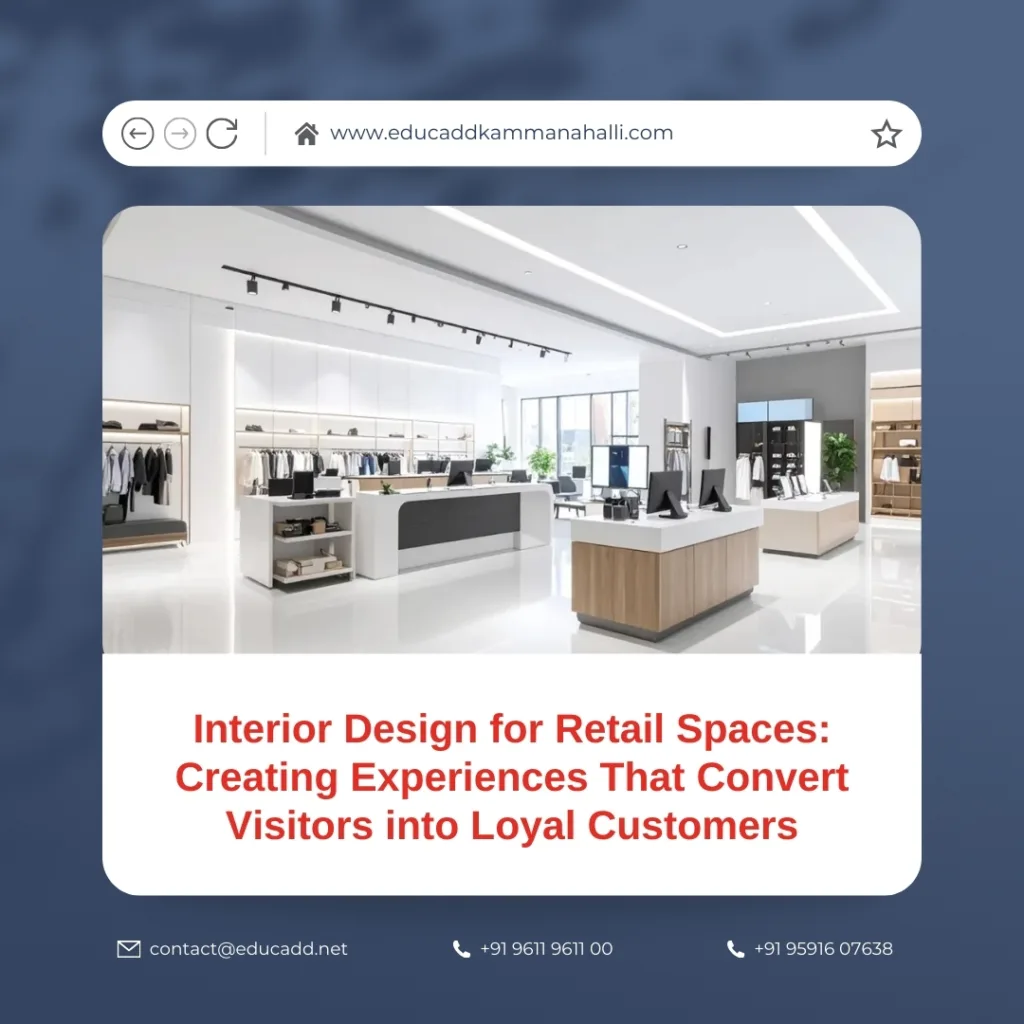
Retail Interior Design Experience
1. Understanding Customer Psychology in Retail Environments
Successful interior design for retail spaces always begins with understanding customer psychology. Every color, texture, layout, and lighting choice affects how customers feel and behave inside a store. For instance, warm tones encourage longer browsing times, while cooler shades create a calm and premium feel. Additionally, customers subconsciously respond to spatial flow. When the layout feels intuitive, shoppers feel relaxed and confident. As a result, they explore more products and stay longer. Designers who understand these psychological triggers can transform ordinary retail spaces into emotionally engaging environments that drive higher conversions.
2. Brand Identity as the Foundation of Retail Interior Design
A retail store is a physical extension of a brand. Therefore, interior design for retail spaces must clearly reflect brand personality, values, and positioning. Luxury brands often use minimal layouts, premium materials, and controlled lighting. On the other hand, youth-focused brands prefer bold colors, dynamic layouts, and interactive zones. When customers instantly recognize a brand through interior elements, trust builds naturally. Consequently, brand consistency across signage, furniture, flooring, and finishes strengthens recall and loyalty. Without a clear brand narrative, even the most stylish retail interior can feel disconnected and ineffective.
3. Store Layout Planning for Seamless Customer Flow
Layout planning is one of the most critical elements in interior design for retail spaces. A well-planned layout directs customers effortlessly from entry to checkout. Strategic placement of high-margin products along natural walking paths increases visibility and impulse purchases. Furthermore, zoning helps organize products logically, which reduces confusion and frustration. Clear pathways, comfortable aisle widths, and intuitive navigation enhance the overall shopping experience. When customers move freely and comfortably, they are more likely to explore deeper into the store and make confident buying decisions.
4. Visual Merchandising and Interior Design Alignment
Visual merchandising works best when it aligns perfectly with interior design. In effective interior design for retail spaces, display units, shelves, and mannequins complement the overall theme instead of overpowering it. Clean sightlines allow customers to notice key products instantly. Additionally, focal points near entrances attract attention and invite customers inside. Seasonal displays, promotional zones, and feature walls must blend seamlessly with the store’s design language. This harmony creates a visually appealing environment that encourages browsing and supports sales objectives.
5. Lighting Design as a Sales-Driving Tool
Lighting does far more than illuminate a store. In interior design for retail spaces, lighting sets the mood, highlights products, and directs customer focus. Bright lighting near entrances creates an inviting first impression. Meanwhile, accent lighting draws attention to premium products and promotional displays. Warm lighting can enhance comfort, while cooler lighting communicates modernity and precision. When designers layer ambient, task, and accent lighting correctly, products appear more attractive and spaces feel more engaging. As a result, customers perceive higher value and spend more time inside the store.
6. Color Schemes That Influence Buying Behavior
Color selection is a powerful psychological tool in interior design for retail spaces. Different colors evoke different emotions and behaviors. For example, red stimulates urgency and excitement, making it ideal for clearance zones. Blue builds trust and calmness, which works well for electronics and service-based retail. Neutral palettes create elegance and allow products to stand out. When colors align with brand identity and customer expectations, they reinforce emotional connections. Moreover, consistent color usage across walls, fixtures, and signage improves visual coherence and brand recognition.
7. Materials and Textures That Enhance Sensory Experience
Modern retail design focuses on multi-sensory experiences. In interior design for retail spaces, materials and textures significantly influence customer perception. Natural materials such as wood and stone create warmth and authenticity. Glossy finishes communicate sophistication and innovation. Soft textures in seating areas increase comfort and encourage longer stays. Additionally, tactile experiences build emotional engagement, especially in fashion and lifestyle stores. When customers can see, touch, and feel quality through interior elements, their trust in the brand increases naturally.
8. Creating Comfort Through Ergonomic Design
Comfort plays a crucial role in customer satisfaction. Thoughtful interior design for retail spaces prioritizes ergonomics for both customers and staff. Comfortable seating areas allow companions to relax while others shop. Proper counter heights make transactions smoother and more pleasant. Adequate lighting reduces eye strain, while climate control enhances overall comfort. When customers feel physically comfortable, they stay longer and explore more. This increased dwell time often leads to higher purchase value and repeat visits.
9. Technology Integration in Retail Interior Design
Technology has become an essential part of modern interior design for retail spaces. Digital screens, interactive displays, and smart mirrors enhance engagement and provide valuable product information. Additionally, seamless integration of technology improves store operations and customer convenience. Charging stations, self-checkout kiosks, and digital wayfinding systems improve efficiency. However, technology must complement the interior design rather than dominate it. When integrated thoughtfully, digital elements enhance storytelling and create memorable shopping experiences without overwhelming customers.
10. Sustainability in Retail Interior Design
Sustainability is no longer optional in interior design for retail spaces. Today’s consumers value brands that demonstrate environmental responsibility. Using eco-friendly materials, energy-efficient lighting, and sustainable construction methods enhances brand reputation. Additionally, sustainable interiors often reduce long-term operational costs. Recycled materials, low-VOC paints, and modular fixtures support flexibility and reuse. When sustainability aligns with aesthetics, it strengthens brand values while appealing to conscious consumers who prioritize ethical choices.
11. Designing for Different Retail Formats
Each retail format requires a unique design approach. Interior design for retail spaces differs significantly between boutiques, supermarkets, showrooms, and flagship stores. Small retail spaces benefit from smart storage solutions and mirrors that create an illusion of space. Large stores require clear zoning and visual anchors to prevent overwhelm. Meanwhile, flagship stores focus on storytelling and experiential zones. Understanding the functional needs of each format ensures that the interior design supports both operations and customer experience effectively.
12. Cultural and Local Context in Retail Interiors
Successful interior design for retail spaces respects cultural and local context. Design elements that resonate with local audiences create stronger emotional connections. Regional colors, patterns, and materials add authenticity and relevance. Additionally, understanding local shopping behaviors helps designers optimize layouts and displays. When customers feel that a store reflects their culture and lifestyle, they connect more deeply with the brand. This emotional alignment often leads to stronger loyalty and word-of-mouth promotion.
13. Measuring the Impact of Retail Interior Design
Retail interior design should always deliver measurable results. In interior design for retail spaces, performance metrics such as footfall, dwell time, conversion rates, and average transaction value reveal effectiveness. Well-designed interiors often show clear improvements in customer engagement and sales. Feedback from customers and staff also provides valuable insights for refinement. Continuous evaluation ensures that the design remains aligned with changing consumer preferences and business goals.
14. Future Trends in Retail Interior Design
The future of interior design for retail spaces focuses on flexibility, personalization, and experience-driven environments. Modular fixtures allow stores to adapt quickly to new collections and campaigns. Experiential zones encourage interaction and social sharing. Biophilic design elements bring nature indoors, enhancing well-being. As consumer expectations evolve, retail interiors must remain agile and innovative. Brands that invest in future-ready design will stay competitive in an increasingly experience-focused retail landscape.
Conclusion
Interior design has become a strategic investment rather than a decorative expense. Retail Interior Design Experience directly influences how customers feel, move, and buy. When design aligns with brand identity, customer psychology, and operational efficiency, retail spaces transform into powerful sales environments. Moreover, thoughtfully designed interiors build emotional connections that digital platforms cannot replicate. As competition intensifies, brands that prioritize experience-driven retail design will not only attract customers but also convert them into loyal brand advocates.

