
Smart Electrical Layout Planning That Powers Modern Spaces Efficiently
Smart Electrical Layout Planning plays a crucial role in shaping safe, functional, and future-ready spaces across residential, commercial, and industrial environments. Whether it is a home, office, or manufacturing unit, a well-designed electrical system ensures smooth operations, energy efficiency, and long-term reliability. Without proper planning, even the most well-built structures can face frequent power issues, safety hazards, and costly repairs.
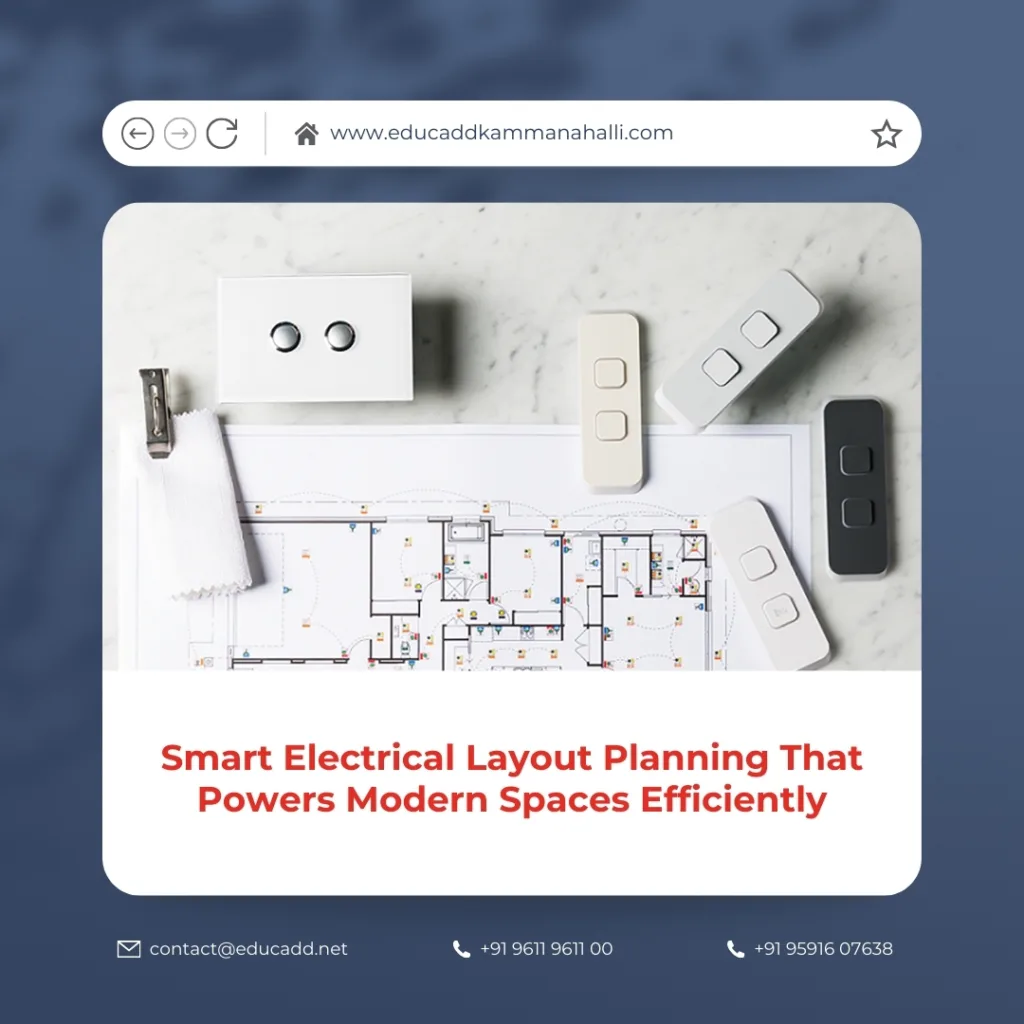
Smart Electrical Layout Planning
Today, Smart Electrical Layout Planning is no longer limited to placing switches and wiring circuits. Instead, it involves strategic thinking, load estimation, safety compliance, and integration of modern technologies. As buildings become smarter and more energy-conscious, the importance of precise electrical planning continues to grow. This blog explores the key aspects, strategies, and best practices required to create efficient electrical layouts across different project types.
Understanding the Basics of Electrical Layout Planning
Smart Electrical Layout Planning refers to the structured design of wiring systems, power distribution, lighting arrangements, and control mechanisms within a building. It ensures that electricity is distributed efficiently while maintaining safety and compliance with standards. At the core, this process involves mapping out electrical points, circuit paths, and load distribution.
In residential spaces, the focus remains on comfort and usability. In contrast, commercial projects prioritize efficiency and scalability, while industrial layouts demand heavy load handling and operational safety. Therefore, understanding the unique requirements of each project type becomes essential before initiating any planning.
Importance of Proper Electrical Layout Design
A well-planned electrical layout directly impacts the safety and performance of a building. Poor design can lead to overloads, frequent outages, and increased energy consumption. On the other hand, an optimized layout ensures smooth functioning and reduces operational risks.
Moreover, proper electrical planning enhances the lifespan of appliances and equipment. It also supports future upgrades without requiring major structural changes. As energy costs continue to rise, efficient electrical design becomes a key factor in reducing long-term expenses.
Key Components in Electrical Layout Planning
Every electrical layout consists of several essential components that work together to deliver reliable power. These include distribution boards, wiring systems, lighting fixtures, switches, sockets, and grounding systems. Each component must be carefully selected and positioned for optimal performance.
Load calculation is another critical element. It helps determine the capacity required for different circuits, preventing overload conditions. Additionally, circuit segregation ensures that different sections operate independently, improving safety and maintenance efficiency.
Electrical Planning for Residential Projects
Residential Smart Electrical Layout Planning focuses on convenience, safety, and energy efficiency. Every room requires a customized approach based on its function. For instance, kitchens demand higher power capacity due to appliances, while bedrooms require balanced lighting and minimal power points.
Modern homes also incorporate smart technologies, which require additional planning for automation systems. Therefore, designers must consider both current and future needs during the planning phase.
-
Proper placement of switches enhances usability
-
Dedicated circuits improve appliance safety
Lighting Design in Residential Spaces
Lighting plays a vital role in enhancing the comfort and aesthetics of a home. A well-designed electrical layout ensures proper distribution of ambient, task, and accent lighting. This layered approach creates a balanced and visually appealing environment.
Natural light integration should also be considered while planning electrical systems. By combining artificial and natural lighting, energy consumption can be reduced significantly. Additionally, energy-efficient lighting options such as LED systems contribute to long-term savings.
Electrical Layout Planning for Commercial Buildings
Commercial spaces such as offices, retail outlets, and malls require highly efficient electrical systems. These environments demand continuous operation, making reliability a top priority. Electrical layout planning in such spaces must accommodate high power loads and flexible configurations.
Workspaces often undergo frequent layout changes. Therefore, modular electrical designs are preferred. These allow easy modifications without disrupting the entire system. Furthermore, energy management systems help monitor and control consumption effectively.
Power Distribution Strategies in Commercial Projects
Effective power distribution ensures that all areas receive adequate electricity without overloading circuits. In commercial projects, distribution boards are strategically placed to minimize wiring complexity and power loss.
Backup systems such as generators and UPS units are also integrated into the layout. These systems ensure uninterrupted operations during power failures. Additionally, proper cable management improves safety and simplifies maintenance processes.
Industrial Electrical Layout Planning Essentials
Industrial projects require highly robust electrical systems capable of handling heavy machinery and continuous operations. Electrical layout planning in such environments focuses on durability, safety, and efficiency.
High-capacity transformers, specialized wiring, and advanced control panels are commonly used in industrial setups. These systems must be designed to handle extreme conditions while maintaining operational stability. Therefore, careful planning becomes critical to avoid costly downtime.
Safety Considerations in Industrial Electrical Design
Safety remains a top priority in industrial electrical layout planning. Systems must be designed to prevent electrical hazards such as short circuits, overloads, and equipment failures. Proper grounding and insulation play a significant role in ensuring safety.
Emergency shutdown systems and protective devices are also integrated into the layout. These measures help minimize risks and protect both workers and equipment.
-
Use of circuit breakers prevents overload damage
-
Proper earthing reduces electrical hazards
Role of Load Calculation in Electrical Planning
Load calculation is the backbone of any electrical layout. It determines the total power requirement of a building and ensures that the system can handle the demand efficiently. Without accurate load estimation, systems may become overloaded or underutilized.
This process involves analyzing all electrical devices, their usage patterns, and peak demand conditions. By doing so, designers can create balanced circuits that distribute power evenly across the system.
Energy Efficiency and Sustainability in Electrical Layouts
Modern electrical layout planning emphasizes energy efficiency and sustainability. With growing environmental concerns, reducing energy consumption has become a priority for all types of projects.
Energy-efficient appliances, smart controls, and renewable energy integration are key strategies in achieving sustainability. Solar power systems, for instance, can be seamlessly integrated into electrical layouts to reduce dependence on traditional energy sources.
Integration of Smart Technologies in Electrical Systems
Smart Electrical Layout Planning has transformed the way electrical systems are designed and used. From automated lighting to intelligent energy management, modern layouts incorporate advanced features that enhance convenience and efficiency.
Smart systems allow users to control electrical devices remotely, monitor energy usage, and optimize performance. Therefore, electrical layout planning must include provisions for these technologies to ensure seamless integration.
Common Mistakes to Avoid in Electrical Layout Planning
Despite its importance, electrical layout planning often suffers from common mistakes. One of the most frequent issues is inadequate load estimation, which leads to system inefficiencies. Poor placement of switches and outlets can also affect usability.
Another major mistake is ignoring future expansion needs. Buildings evolve over time, and electrical systems must be designed to accommodate these changes. Therefore, flexibility should always be a part of the planning process.
Best Practices for Effective Electrical Layout Planning
To achieve optimal results, electrical layout planning must follow industry best practices. This includes detailed analysis, proper documentation, and adherence to safety standards. Collaboration between architects, engineers, and designers also plays a crucial role.
Regular inspections and maintenance should be planned from the beginning. This ensures that the system remains efficient and safe over time. Additionally, using high-quality materials improves durability and performance.
Future Trends in Electrical Layout Planning
The future of electrical layout planning is driven by innovation and technology. Smart grids, renewable energy systems, and IoT-enabled devices are shaping modern electrical designs. These advancements are making systems more efficient, adaptable, and sustainable.
As buildings become more intelligent, electrical layouts will continue to evolve. Therefore, staying updated with emerging trends becomes essential for professionals in this field.
Conclusion
Smart Electrical Layout Planning is a critical aspect of any construction project, whether residential, commercial, or industrial. It ensures safety, efficiency, and long-term reliability while supporting modern technological advancements. A well-designed electrical system not only enhances functionality but also reduces energy consumption and maintenance costs.
By understanding the unique requirements of different project types and following best practices, it becomes possible to create highly efficient and future-ready electrical layouts. As technology continues to advance, the role of electrical planning will only grow stronger, making it an essential component of modern infrastructure development.

