
Structural Drawings That Meet Industry Standards: The Blueprint for Safe, Accurate, and High-Performance Construction
Structural Drawings Industry Standards form the backbone of every successful construction project. They translate engineering concepts into practical instructions that contractors, fabricators, and site teams can follow with confidence. When structural drawings meet industry standards, they reduce errors, prevent delays, and ensure safety across every phase of development. In today’s competitive construction environment, precision and compliance are not optional. They are essential.
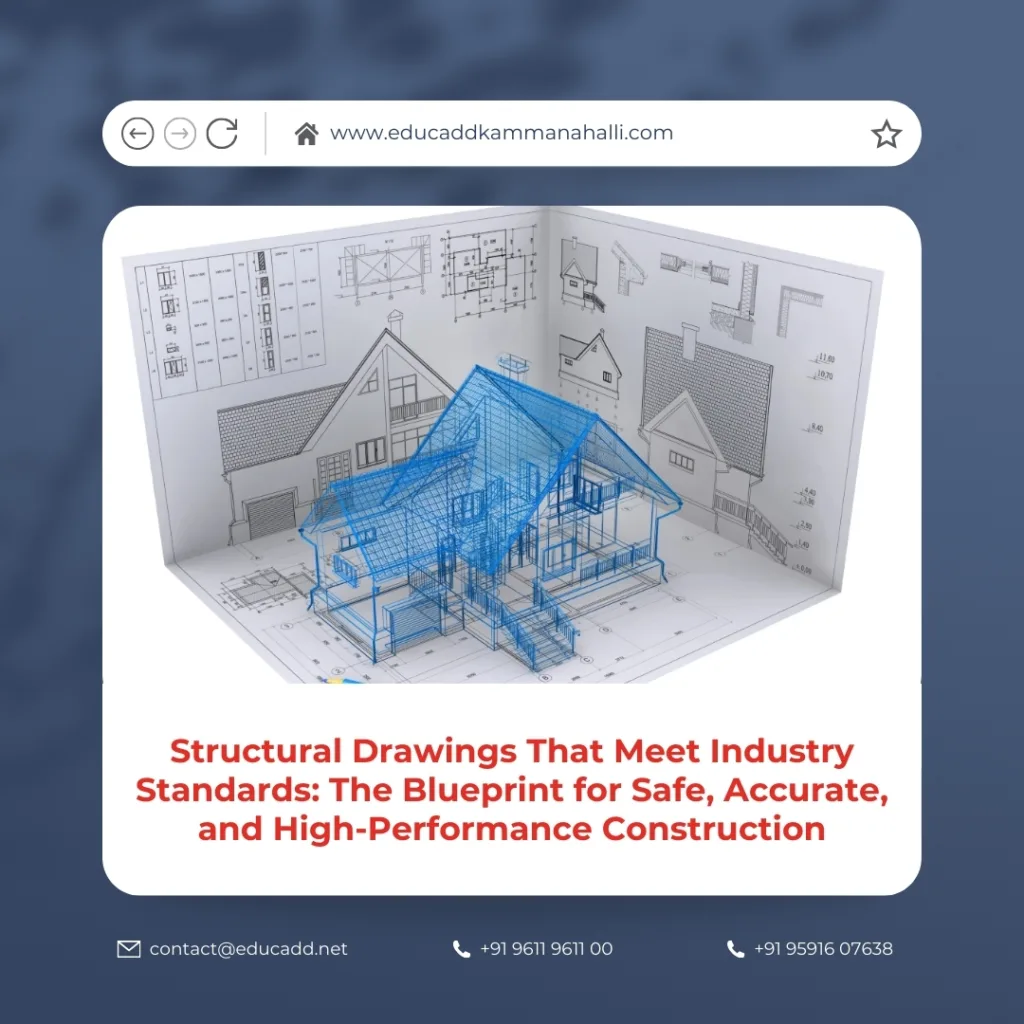
Structural Drawings Industry Standards
This comprehensive guide explores how structural drawings are developed, why they must align with established standards, and what practices ensure quality and reliability. Each section highlights critical elements that contribute to creating structural drawings that meet industry standards and support long-term project success.
1. Understanding the Purpose of Structural Drawings
Structural Drawings Industry Standards communicate the design intent of structural engineers to the construction team. They show the size, shape, material, and placement of structural components such as beams, columns, slabs, footings, and reinforcement. Without clear structural drawings, construction teams struggle to interpret design requirements accurately.
These drawings serve multiple purposes. They guide fabrication, help contractors estimate materials, and ensure proper installation. Moreover, they act as legal documents that demonstrate compliance with regulatory codes. Because of this, structural drawings must remain detailed, precise, and consistent.
When structural drawings meet industry standards, they create a shared understanding between designers and builders. This alignment reduces disputes and improves collaboration. As projects grow more complex, the importance of high-quality structural drawings continues to increase.
2. Importance of Industry Standards in Structural Documentation
Industry standards provide a uniform framework for preparing structural drawings. These standards define line types, symbols, dimensioning methods, and annotation styles. They also specify drawing scales and formatting requirements.
Engineers follow recognized codes such as national building standards and structural design regulations. These codes ensure that structural drawings reflect safety requirements and engineering principles. When teams ignore these standards, inconsistencies appear, and costly errors follow.
Adhering to standards improves clarity and readability. Contractors can interpret structural drawings quickly because they recognize familiar symbols and layouts. As a result, work progresses smoothly, and misunderstandings decrease. Therefore, compliance with industry standards directly influences project efficiency and structural integrity.
3. Key Components of High-Quality Structural Drawings
Every set of Structural Drawings Industry Standards includes essential elements that guide construction accurately. These components must appear clearly and consistently.
First, general arrangement drawings present an overview of the entire structural system. They show column grids, beam layouts, and slab details. Next, detailed drawings illustrate connections, reinforcements, and critical joints. Sections and elevations further explain vertical relationships.
Schedules also play a vital role. Beam schedules, column schedules, and reinforcement schedules provide numerical details that complement visual information. When these elements align properly, structural drawings become comprehensive and easy to interpret.
To meet industry standards, each component must follow standardized formatting and labeling practices. Engineers must verify dimensions, material specifications, and references carefully before issuing drawings for construction.
4. Accuracy and Precision in Structural Drawings
Accuracy defines the effectiveness of structural drawings. Even a minor dimensional error can cause misalignment during construction. Therefore, engineers must check every measurement and reference thoroughly.
Precision begins with proper scaling. Engineers select appropriate drawing scales to maintain clarity while representing real-world dimensions accurately. They also ensure that grid lines, centerlines, and reference points align across all sheets.
Digital drafting tools improve accuracy, yet human verification remains critical. Teams conduct internal reviews to detect discrepancies before release. When structural drawings meet industry standards, they maintain dimensional consistency across architectural, mechanical, and electrical drawings. This coordination prevents clashes and costly site corrections.
5. Role of Building Codes and Regulatory Compliance
Structural drawings must comply with local building codes and national standards. These regulations define load requirements, material strengths, and safety factors. Engineers incorporate these parameters directly into structural drawings.
Compliance protects occupants and ensures long-term performance. Authorities review structural drawings before granting approvals. If drawings fail to meet standards, projects face delays and redesign costs.
Therefore, engineers must stay updated with current regulations. They should integrate seismic, wind, and environmental considerations where required. By aligning structural drawings with regulatory requirements, teams create safer and legally compliant structures.
6. Coordination Between Disciplines
Construction projects involve multiple disciplines. Architects, structural engineers, and MEP designers must collaborate closely. Structural drawings should complement architectural layouts and service routing plans.
Effective coordination prevents structural conflicts such as beam clashes with ductwork or column misalignment with walls. Engineers conduct coordination meetings and use clash detection software to ensure integration.
When structural drawings meet industry standards, they include clear references to architectural grids and levels. This approach strengthens interdisciplinary communication and enhances overall project efficiency.
7. Detailing Reinforcement and Connections
Reinforcement detailing requires special attention. Structural drawings must specify bar diameters, spacing, bending shapes, and lap lengths clearly. Contractors rely on these details to fabricate and place reinforcement accurately.
Connection details for steel and concrete structures demand equal precision. Weld types, bolt grades, and plate dimensions must appear clearly on drawings. Ambiguity in connection detailing can compromise structural safety.
Industry standards provide guidelines for reinforcement notation and steel detailing. Engineers should follow these conventions consistently. Clear detailing improves construction speed and ensures structural performance meets design expectations.
8. Use of Modern Technology in Structural Drafting
Technology has transformed how engineers create structural drawings. Building Information Modeling (BIM) platforms allow teams to develop coordinated 3D models. These models generate structural drawings automatically while maintaining consistency.
Digital tools reduce manual drafting errors. They also enhance visualization and allow early clash detection. However, technology alone does not guarantee quality. Engineers must review outputs carefully and ensure that structural drawings align with established standards.
When used effectively, BIM and CAD software increase efficiency and accuracy. They also support documentation control, making revisions easier to manage. This technological integration strengthens the reliability of structural drawings in modern construction projects.
9. Documentation Control and Revision Management
Structural drawings often undergo revisions during design development. Proper documentation control ensures that teams use the latest approved versions.
Each revision must include clear identification, dates, and change descriptions. Engineers maintain revision clouds and notes to highlight modifications. This transparency prevents confusion on site.
Moreover, structured document management systems help track drawing updates. When structural drawings meet industry standards, they include consistent numbering systems and title blocks. This organization enhances traceability and accountability across the project lifecycle.
10. Material Specifications and Notes
Clear material specifications strengthen the effectiveness of structural drawings. Engineers must define concrete grades, steel types, and protective coatings. These notes eliminate ambiguity during procurement and construction.
General notes also describe construction practices and design assumptions. For example, engineers may specify curing requirements or welding standards. Such instructions provide context that drawings alone cannot convey.
Industry standards often define how notes should appear on structural drawings. Following these formatting conventions improves clarity and professionalism. Consequently, contractors execute work more confidently and accurately.
11. Quality Assurance and Review Processes
Quality assurance ensures that structural drawings meet industry standards before release. Firms establish review protocols to maintain consistency and accuracy.
Senior engineers typically verify calculations and compare them with drawing outputs. Peer reviews identify overlooked discrepancies. Additionally, coordination reviews confirm alignment with other disciplines.
By implementing systematic quality checks, teams reduce errors significantly. Structural drawings that undergo rigorous review demonstrate higher reliability and fewer site modifications. This proactive approach protects project timelines and budgets.
12. Common Mistakes and How to Avoid Them
Despite best efforts, errors can occur in structural drawings. Common issues include missing dimensions, unclear annotations, and inconsistent symbols. Such mistakes create confusion and delay construction progress.
Engineers can prevent these problems through standardized templates and checklists. Regular training also improves drafting accuracy. When teams understand industry standards thoroughly, they apply them more consistently.
Clear communication with contractors further minimizes misunderstandings. By addressing potential errors early, engineers maintain the integrity of structural drawings and ensure smooth project execution.
13. Impact of Structural Drawings on Construction Efficiency
Structural Drawings Industry Standards influence construction speed and productivity directly. Well-prepared drawings allow contractors to plan activities efficiently. They also reduce the need for on-site clarifications.
Accurate structural drawings improve material ordering and minimize waste. Fabricators rely on detailed dimensions to cut and assemble components correctly. This precision reduces rework and enhances cost control.
Furthermore, clear documentation fosters trust between stakeholders. When structural drawings meet industry standards, they demonstrate professionalism and competence. As a result, project teams operate with greater confidence and coordination.
14. Future Trends in Structural Documentation
The future of structural drawings lies in greater integration and automation. Digital collaboration platforms enable real-time updates and cloud-based access. Engineers can share structural drawings instantly with stakeholders worldwide.
Artificial intelligence tools now assist in error detection and compliance verification. These technologies improve quality control while reducing manual effort. Sustainable design practices also influence structural documentation. Engineers incorporate environmental considerations directly into structural drawings.
As the construction industry evolves, the demand for accurate and standardized structural drawings will continue to grow. Firms that embrace innovation while maintaining compliance will lead the market.
Conclusion
Structural Drawings Industry Standards represent far more than technical sketches. They form the foundation of safe, efficient, and compliant construction projects. When structural drawings meet industry standards, they enhance accuracy, improve coordination, and protect structural integrity.
From initial design to final inspection, these drawings guide every stage of development. By focusing on precision, regulatory compliance, and effective communication, engineers can produce structural drawings that support successful outcomes. As technology advances and industry expectations rise, maintaining high standards in structural documentation remains essential.
Ultimately, structural drawings that meet industry standards serve as the blueprint for excellence in modern construction.

