
Design Your Dream Career: The Ultimate Guide to a Professional Interior Design Course
Interior design is no longer just about arranging furniture or choosing colors. It has evolved into a dynamic profession that blends creativity, technology, and functionality to transform spaces into meaningful experiences. As modern lifestyles continue to change, the demand for skilled interior designers is growing rapidly across residential, commercial, and industrial sectors. This shift has made enrolling in a Professional Interior Design Course a smart and future-ready decision.
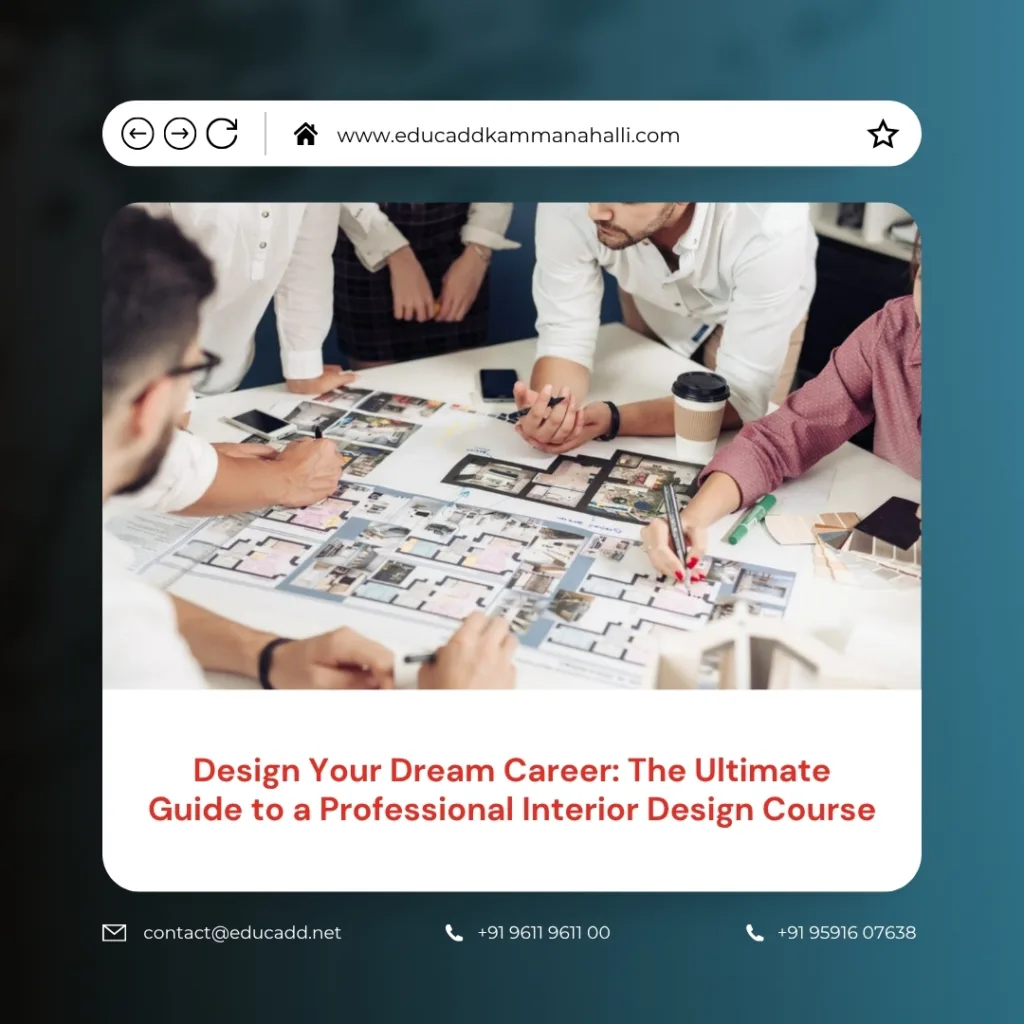
Professional Interior Design Course
A well-structured course not only nurtures creativity but also equips learners with practical skills, industry knowledge, and technical expertise. Whether you are a student exploring career options or a professional looking to upskill, a professional interior design course can open doors to exciting opportunities. In this blog, you will explore every essential aspect of such courses, from curriculum and benefits to career prospects and industry relevance.
1. Understanding the Scope of Interior Design
Interior design is a multifaceted field that goes beyond aesthetics. It involves planning, designing, and managing interior spaces to enhance functionality and user experience. Designers work on residential homes, offices, retail stores, hotels, and even healthcare facilities.
The scope of interior design continues to expand as people become more conscious of space utilization and visual appeal. Moreover, sustainable design practices and smart home technologies are shaping the future of this industry. As a result, trained professionals are highly valued in both domestic and international markets.
2. Why Choose a Professional Interior Design Course
A professional interior design course provides structured learning that helps individuals build a strong foundation. Instead of relying solely on creativity, students gain technical knowledge that is essential for real-world projects.
These courses are designed to bridge the gap between theory and practice. Students learn design principles, space planning, material selection, and project execution. Furthermore, industry exposure through internships and live projects ensures that learners are job-ready upon completion.
3. Key Skills You Will Develop
A professional interior design course focuses on developing both creative and technical skills. Students are trained to think critically, solve problems, and deliver innovative design solutions.
Some essential skills include visualization, drafting, communication, and project management. Additionally, software tools like AutoCAD, SketchUp, and 3D rendering applications are introduced to enhance design accuracy. These skills play a crucial role in building a successful career in interior design.
4. Course Curriculum Overview
The curriculum of a professional interior design course is carefully structured to cover all important aspects of the field. It usually includes both theoretical knowledge and practical training.
Students begin with basic design concepts and gradually move to advanced topics such as lighting design, furniture design, and sustainable interiors. Moreover, assignments and projects help reinforce learning and improve creativity. This comprehensive approach ensures that students gain a holistic understanding of interior design.
5. Importance of Practical Training
Practical training is one of the most valuable components of an interior design course. It allows students to apply their knowledge in real-world scenarios. Without hands-on experience, understanding design concepts can remain incomplete.
During training, students work on live projects, site visits, and case studies. These experiences help them understand client requirements, budgeting, and project timelines. As a result, they gain confidence and become capable of handling professional assignments effectively.
6. Role of Technology in Interior Design
Technology has transformed the way interior design is practiced. Modern tools and software have made it easier to create accurate designs and visualize spaces before execution.
Students enrolled in professional courses are trained in advanced design software. This not only improves efficiency but also enhances presentation quality. Moreover, virtual reality and 3D visualization techniques are increasingly being used to provide clients with immersive design experiences.
7. Career Opportunities After Completion
Completing a professional interior design course opens up a wide range of career opportunities. Graduates can work in design firms, architecture companies, real estate firms, or start their own practice.
Some popular career roles include:
- Interior Designer
- Space Planner
- Furniture Designer
- Visual Merchandiser
- Design Consultant
The growing demand for stylish and functional spaces ensures a steady flow of opportunities in this field.
8. Benefits of Enrolling in a Professional Course
A professional course offers several advantages that go beyond basic learning. It provides industry exposure, networking opportunities, and career guidance.
Here are some key benefits:
- Structured learning with expert guidance
- Hands-on experience through projects and internships
Additionally, students gain access to industry tools and resources that enhance their skills. These benefits significantly improve employability and career growth.
9. Understanding Design Principles
Design principles form the foundation of interior design. Concepts such as balance, harmony, contrast, and proportion are essential for creating visually appealing spaces.
A professional course ensures that students understand how to apply these principles effectively. By mastering these concepts, designers can create spaces that are not only beautiful but also functional and comfortable.
10. Importance of Space Planning
Space planning is a critical aspect of interior design. It involves organizing furniture and elements in a way that maximizes usability and flow.
Through a professional course, students learn how to analyze spaces and design layouts that meet client needs. Proper space planning improves efficiency and enhances the overall experience of a space. Therefore, it is considered one of the most important skills for interior designers.
11. Role of Creativity and Innovation
Creativity is the heart of interior design. However, innovation ensures that designs remain relevant and unique. A professional course encourages students to think outside the box and explore new ideas.
Design trends keep evolving, and professionals must adapt to changing preferences. By combining creativity with innovation, designers can deliver exceptional results that stand out in the competitive market.
12. Importance of Client Communication
Effective communication is essential for understanding client requirements and delivering satisfactory results. A professional interior design course emphasizes the importance of interaction and presentation skills.
Students learn how to present ideas, create design proposals, and handle client feedback. This helps build strong relationships and ensures successful project execution.
13. Future Trends in Interior Design
The future of interior design is shaped by sustainability, smart technology, and minimalistic aesthetics. Designers are now focusing on eco-friendly materials and energy-efficient solutions.
Some emerging trends include:
- Smart homes with automated systems
- Sustainable and eco-friendly interiors
By staying updated with these trends, professionals can remain competitive and relevant in the industry.
14. Choosing the Right Institute
Selecting the right institute is crucial for building a successful career in interior design. A good institute provides quality education, experienced faculty, and practical exposure.
Before enrolling, students should consider factors such as course curriculum, placement support, and industry connections. Making the right choice can significantly impact learning outcomes and career opportunities.
Conclusion
A Professional Interior Design Course is more than just an educational program—it is a gateway to a creative and rewarding career. With the right training, individuals can transform their passion for design into a successful profession. From mastering design principles to understanding industry trends, these courses provide a comprehensive learning experience that prepares students for real-world challenges.
As the demand for well-designed spaces continues to rise, skilled interior designers will always be in demand. By enrolling in a professional course, you not only gain technical expertise but also build confidence and creativity. Ultimately, this journey empowers you to design spaces that inspire, function, and leave a lasting impact.

