
From Passion to Profession: The Complete Roadmap to Building a Successful Career in Interior Design
The dream of transforming ordinary spaces into beautiful and functional environments attracts many creative minds to the field of interior design. Today, interior design has evolved into one of the most rewarding and dynamic professions in the world. Whether it is designing luxury homes, modern offices, retail stores, hotels, or commercial complexes, skilled designers play a crucial role in shaping experiences through space. If you are wondering Successful Interior Design Career, the good news is that the industry offers countless opportunities for individuals who possess creativity, technical knowledge, and a passion for design.
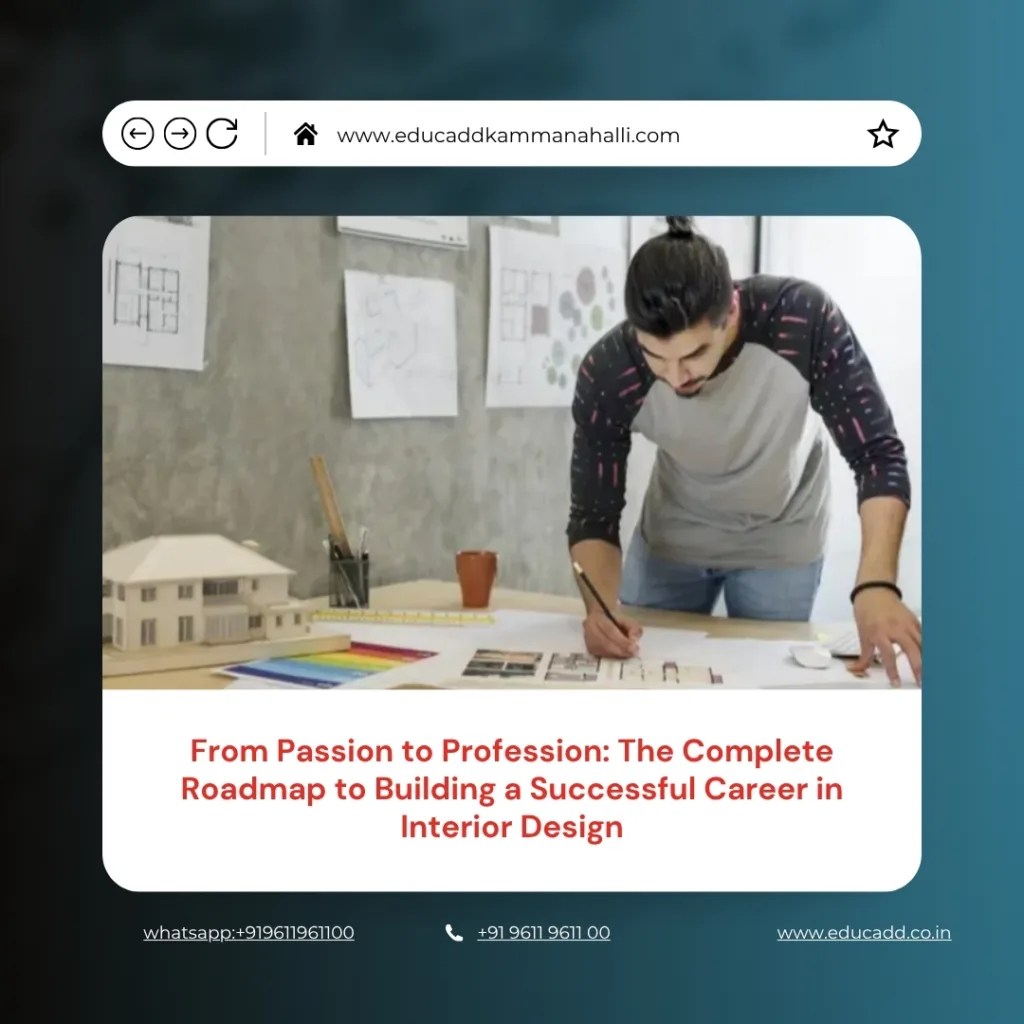
Successful Interior Design Career
Moreover, the growing demand for aesthetically pleasing and practical spaces has created an increasing need for professional interior designers. As urbanization continues and lifestyle expectations rise, businesses and homeowners actively seek experts who can bring their visions to life. Therefore, understanding the right educational path, developing essential skills, and gaining practical experience can help you establish a thriving career. This guide explains every important step required to enter the industry and build long-term success.
Understanding What Interior Design Really Involves
Before beginning your professional journey, it is important to understand what interior design actually means. Many people assume that interior design focuses only on selecting furniture, colors, and decorations. However, the profession extends far beyond aesthetics. Interior designers create functional environments that improve comfort, safety, productivity, and overall user experience.
A professional designer studies spatial planning, lighting design, materials, furniture layouts, ergonomics, sustainability, and building regulations. They collaborate with architects, contractors, engineers, and clients to ensure every design element works together effectively. As a result, successful designers combine artistic creativity with technical expertise. Understanding these responsibilities early will help you prepare for the challenges and opportunities that lie ahead.
Discovering Your Passion and Design Interests
Every successful career begins with genuine interest and enthusiasm. Therefore, aspiring designers should first explore different aspects of interior design to identify their specific interests. Some professionals specialize in residential interiors, while others focus on commercial spaces, hospitality projects, healthcare facilities, or retail environments.
You can start by observing well-designed spaces, following industry trends, reading design magazines, and studying famous projects. Additionally, visiting showrooms, exhibitions, and design events can provide valuable inspiration. The more exposure you gain, the clearer your design preferences become. Eventually, this understanding will guide your educational choices and career direction.
Choosing the Right Educational Path
Education serves as the foundation of a successful interior design career. Although creativity is essential, professional training provides the technical knowledge required to execute projects effectively. Most employers and clients prefer designers who possess formal education in interior design.
Many institutions offer diploma programs, undergraduate degrees, certification courses, and specialized training programs. During these courses, students learn design principles, color theory, drafting techniques, material selection, lighting concepts, and software applications. Furthermore, structured education helps students understand industry standards and professional practices.
Key areas typically covered in interior design education include:
- Space planning and furniture arrangement
- Building materials, lighting, and sustainable design concepts
By selecting a recognized institution with experienced faculty and practical learning opportunities, students can build a strong academic foundation for future success.
Developing Strong Design Skills
Education alone does not guarantee success. Designers must continuously develop both creative and technical abilities. Creativity allows professionals to generate innovative ideas, while technical skills help transform those ideas into reality.
Sketching remains an important skill because it enables designers to communicate concepts quickly. In addition, understanding proportions, textures, patterns, and color combinations helps create visually appealing interiors. Problem-solving abilities are equally important because every project presents unique challenges that require thoughtful solutions.
As you practice regularly, your design confidence improves significantly. Over time, you will develop a distinctive design style that sets you apart from competitors in the industry.
Mastering Interior Design Software
Technology has become an integral part of modern interior design. Today, designers use advanced software to create detailed drawings, 3D visualizations, and realistic project presentations. Consequently, learning industry-standard software can significantly enhance your employability and professional capabilities.
Popular design tools include AutoCAD, SketchUp, 3ds Max, Revit, Photoshop, and Lumion. These programs help designers prepare floor plans, renderings, and virtual walkthroughs that allow clients to visualize spaces before construction begins.
Employers often prioritize candidates who possess strong software skills because digital presentations improve communication and project efficiency. Therefore, investing time in mastering these tools can accelerate your career growth and increase your professional value.
Building a Strong Portfolio
A portfolio serves as your professional identity in the interior design industry. It showcases your creativity, technical abilities, and design thinking. Even beginners can create impressive portfolios by including academic projects, conceptual designs, personal assignments, and internship work.
A strong portfolio should demonstrate variety and highlight different aspects of your skills. Include sketches, floor plans, mood boards, renderings, and completed project photographs whenever possible. Furthermore, explain the design process behind each project to showcase your problem-solving approach.
Remember that employers and clients often evaluate portfolios before conducting interviews. Therefore, maintaining an organized and visually appealing portfolio can significantly improve your chances of securing opportunities.
Gaining Practical Experience Through Internships
Practical experience bridges the gap between classroom learning and professional practice. Internships provide valuable exposure to real-world projects and help aspiring designers understand industry workflows.
Working under experienced professionals allows students to observe client interactions, site visits, project management processes, and construction coordination. Additionally, interns learn how to handle deadlines, budgets, and unexpected challenges that arise during projects.
Benefits of internships include:
- Hands-on experience with live design projects
- Opportunities to build professional relationships and industry connections
The knowledge gained during internships often proves more valuable than theoretical learning because it prepares designers for actual workplace responsibilities.
Understanding Industry Trends and Innovations
The interior design industry evolves continuously. New materials, technologies, and design philosophies emerge regularly. Therefore, professionals must stay informed about current trends to remain competitive.
Sustainable design has become particularly important in recent years. Many clients now prefer eco-friendly materials, energy-efficient lighting, and environmentally responsible design solutions. Likewise, smart home technology has transformed the way residential spaces function.
Following industry publications, attending design exhibitions, participating in workshops, and joining professional organizations can help designers stay updated. Continuous learning ensures that your skills remain relevant and aligned with market demands.
Building Professional Networking Connections
Networking plays a significant role in career development. Many interior design opportunities arise through professional relationships rather than traditional job applications. Therefore, building a strong network can accelerate career growth and open doors to exciting projects.
Attend industry conferences, seminars, exhibitions, and design competitions whenever possible. Connect with architects, contractors, suppliers, and fellow designers. Furthermore, engage with professionals on social media platforms and design communities.
Strong professional relationships often lead to referrals, collaborations, mentorship opportunities, and valuable industry insights. Over time, a well-developed network becomes one of your most valuable career assets.
Learning Client Communication and Project Management
Successful designers do more than create attractive spaces. They also manage client expectations and coordinate multiple aspects of a project. Effective communication skills are essential for understanding client requirements and presenting design concepts clearly.
Project management skills help designers organize schedules, budgets, materials, contractors, and timelines. Moreover, these abilities ensure projects progress smoothly from concept development to final completion.
Clients appreciate professionals who listen carefully, communicate transparently, and deliver results efficiently. Therefore, strong interpersonal and organizational skills can significantly enhance your reputation and career prospects.
Exploring Career Opportunities in Interior Design
One of the most attractive aspects of interior design is the wide range of career opportunities available. Designers can choose employment in architecture firms, interior design studios, construction companies, furniture manufacturers, or real estate organizations.
Some professionals specialize in luxury residential projects, while others focus on corporate offices, hospitality spaces, healthcare facilities, or educational institutions. Additionally, many designers eventually establish their own consulting businesses.
The diversity of career paths allows individuals to align their professional choices with their interests, strengths, and long-term goals. As experience grows, opportunities for specialization and leadership become increasingly available.
Starting as a Freelance Interior Designer
Many designers aspire to work independently. Freelancing offers flexibility, creative freedom, and the potential for higher earnings. However, it also requires strong business management skills.
Before launching a freelance career, designers should gain sufficient experience and establish a professional portfolio. Building a personal brand, creating an online presence, and developing a client acquisition strategy are equally important.
Initially, freelance designers may handle smaller projects. However, consistent quality and excellent client service often lead to larger opportunities through referrals and repeat business. Patience and persistence remain essential during the early stages of independent practice.
Overcoming Challenges in the Interior Design Industry
Like any profession, interior design presents various challenges. Designers often encounter tight deadlines, budget limitations, client revisions, and construction-related complications. However, these challenges also create opportunities for growth and learning.
Successful professionals develop resilience, adaptability, and problem-solving abilities. They remain calm under pressure and focus on finding practical solutions rather than dwelling on obstacles. Furthermore, each completed project contributes valuable experience that strengthens future performance.
By maintaining a positive attitude and continuously improving your skills, you can navigate industry challenges effectively and build a rewarding long-term career.
Creating a Long-Term Growth Strategy
Career growth does not happen automatically. Designers must actively invest in professional development throughout their careers. Pursuing advanced certifications, learning emerging technologies, and expanding industry knowledge can create new opportunities.
Setting clear career goals helps maintain focus and direction. Some designers aim to become creative directors, while others pursue entrepreneurship or specialized consulting roles. Regardless of the chosen path, continuous improvement remains essential.
As your expertise expands, you can command higher fees, attract premium clients, and establish a strong reputation within the industry. Long-term success results from consistent effort, learning, and dedication.
Conclusion
Starting a career in interior design requires a combination of creativity, education, technical knowledge, and practical experience. For anyone wondering Successful Interior Design Career, the journey begins with understanding the profession, obtaining quality training, developing essential skills, and gaining hands-on exposure through internships and projects. Additionally, mastering design software, building a compelling portfolio, and cultivating professional relationships can significantly improve career prospects. While challenges will undoubtedly arise, determination and continuous learning can help aspiring designers achieve remarkable success. With the growing demand for innovative and functional spaces, interior design offers an exciting and fulfilling profession where passion and creativity can be transformed into a thriving long-term career.

